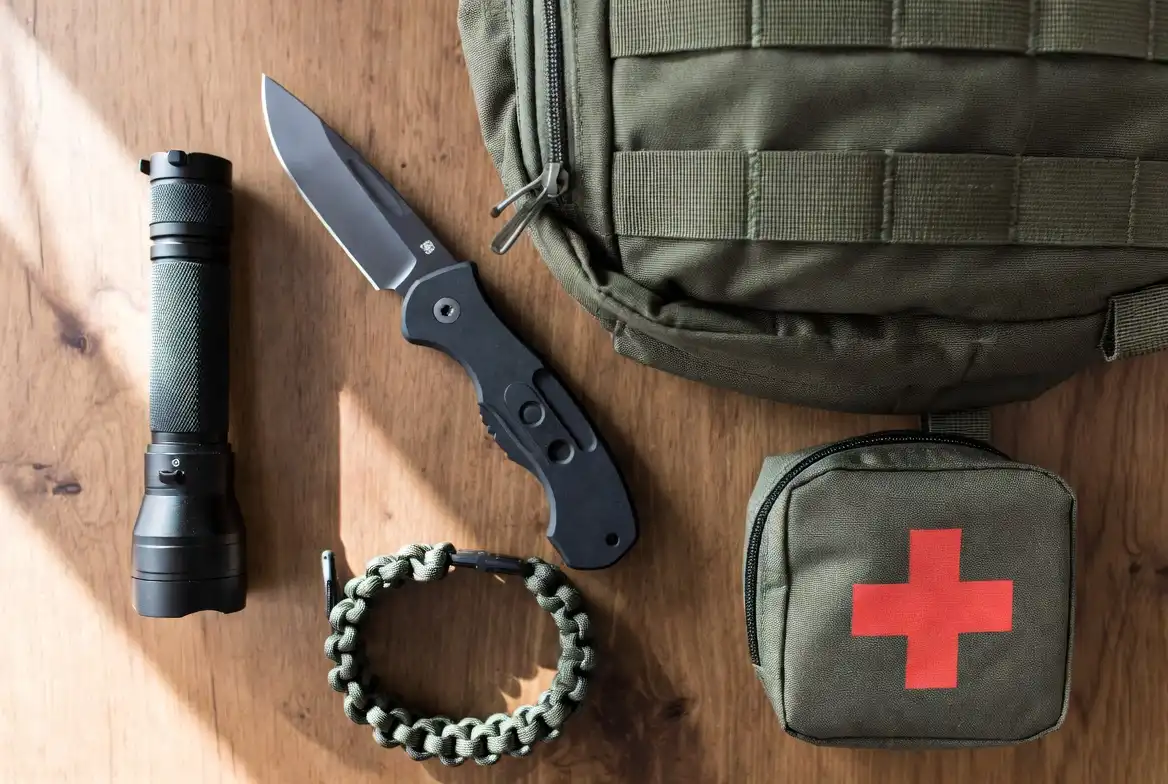
Getting started can feel confusing when every product looks rugged and every price tag looks high. The good news is that cheap tactical gear for beginners exists, and much of it performs well for daily carry, camping, or basic preparedness. You do not need to spend a fortune to stay ready. This guide breaks down the smart starter pieces, what features matter most, and how to avoid common buying mistakes. By the end, you will know exactly where to put your first dollars.
Why Affordable Tactical Gear Makes Sense for New Buyers
Beginners often overspend on premium brands before they even know what they actually use. Starting with cheap tactical gear for beginners lets you test what fits your lifestyle without big regret. You learn your real needs through hands on use, not marketing claims.
Affordable gear also lowers the fear of damaging something expensive. When a flashlight or knife costs less, you carry it more often and learn faster. That habit matters more than owning the priciest item on the shelf.
Quality Still Counts at Low Prices
Cheap does not have to mean fragile. Many budget makers now use solid materials like aluminum alloy, durable nylon, and stainless steel. Look at reviews, warranty terms, and return policies before buying. A well chosen low cost item often outlasts a poorly made premium one.
Essential Starter Pieces to Buy First
Building a kit works best in stages. Focus on items you will use weekly, then expand. Here are the core categories worth your attention when choosing cheap tactical gear for beginners.
1. A Reliable Flashlight
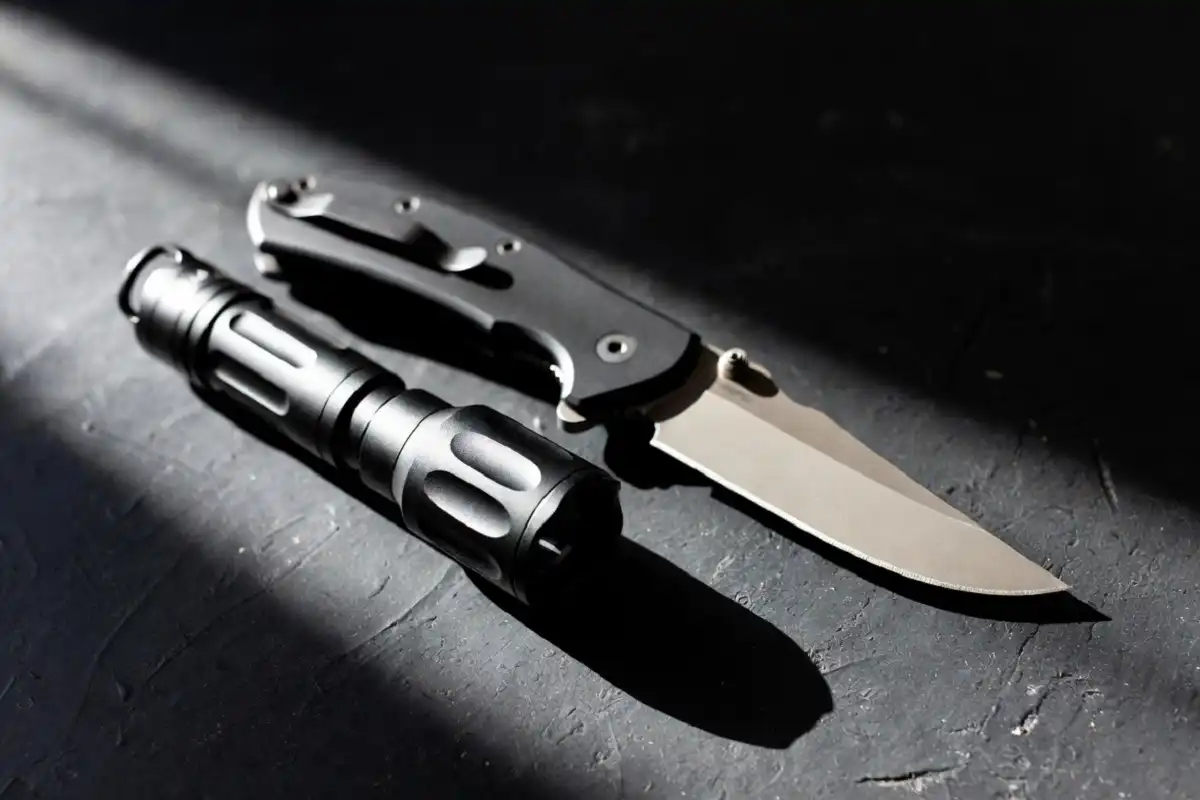
A good flashlight is the most used tool in any kit. Choose one with:
- A rechargeable battery to save money over time
- At least 500 lumens for outdoor visibility
- A water resistant body for rough weather
You can find dependable models for the price of a few coffees. If you enjoy compact tools, our roundup of smart everyday devices that fit any wallet pairs nicely with a solid light.
2. A Folding Knife or Multi-Tool
A folding knife handles cutting, prying, and small repairs. Beginners should pick a lock that feels secure and a blade that holds an edge. A multi-tool adds pliers, screwdrivers, and scissors in one body, which is great value early on.
3. A Tactical Backpack
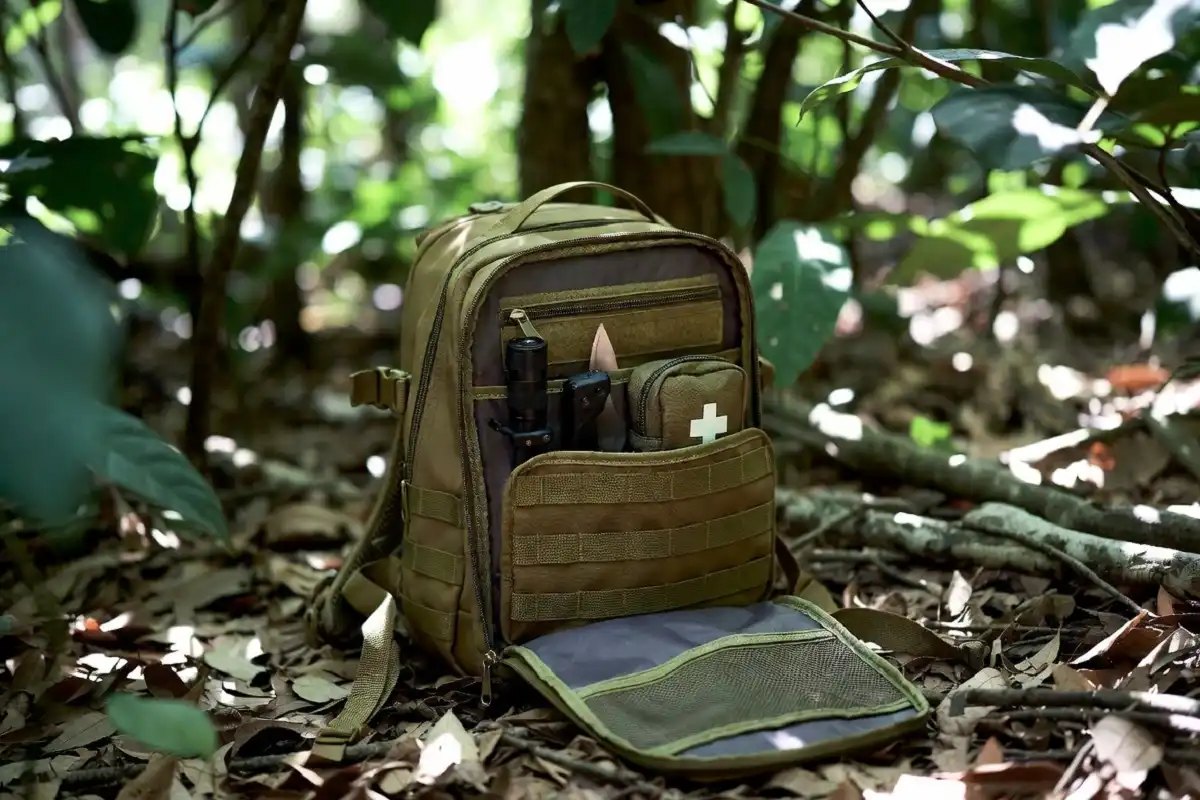
Your bag carries everything else, so it deserves care. Look for padded straps, several compartments, and tough zippers. A medium size pack around 25 to 35 liters suits most beginners. For trail use, check our list of budget hiking essentials and smart gear for less to match your pack with the right load.
4. A First Aid Kit
Safety gear is easy to overlook and impossible to fake in an emergency. A compact medical kit with bandages, antiseptic, gloves, and tape belongs in every bag. You can buy a base kit cheaply and add items over time.
5. Paracord and Duct Tape
These two items solve more problems than their price suggests. Paracord helps with shelter, repairs, and securing loads. A small roll of strong tape patches gear, seals bags, and even helps with minor wound care in a pinch.
Features That Matter Most on a Budget
When comparing cheap tactical gear for beginners, focus on the details that affect real performance instead of looks. Flashy designs do not equal function.
Material and Build
Check what the item is made from. Nylon rated at 600D or higher resists tearing. Metal tools should feel solid, not hollow. Plastic parts are fine if they sit in low stress areas.
Weight and Comfort
Heavy gear stays home. Light, comfortable items get used. Hold a product if you can, or read weight specs carefully before ordering online.
Simplicity Over Gimmicks
Beginners do not need twenty functions they will never touch. A clean, simple tool you understand fully beats a complex one that confuses you. Reliable basics win every time.
Smart Buying Tips to Stretch Your Money
Spending less still requires a plan. These habits help you get the best value from cheap tactical gear for beginners without falling for low quality traps.
- Buy one quality item at a time instead of cheap bundles
- Read recent verified reviews, not just star ratings
- Watch for seasonal sales on outdoor sites
- Avoid no name sellers with no return policy
- Test new gear at home before relying on it outdoors
Independent resources can help you compare safely. The product testing guides from Consumer Reports and outdoor advice from REI’s expert articles offer trustworthy starting points for research.
Where to Keep and Organize Your Gear
A kit only helps if you can find things fast. Store frequently used items in outer pockets and emergency items in a fixed inner spot. Keeping a tidy system at home also helps. Some ideas from our guide to useful desk gadgets for a tidy setup translate well to gear storage too.
Consistency builds readiness. Pairing gear habits with a steady routine, like the ones in our simple daily routine ideas for a calm life, makes maintenance feel natural rather than a chore.
Mistakes Beginners Should Avoid
Even smart shoppers slip up early. Knowing these pitfalls saves money and frustration.
Buying for Fantasy, Not Reality
It is tempting to buy gear for situations you will likely never face. Focus on your actual daily life first. Most cheap tactical gear for beginners earns its keep through ordinary use, not rare emergencies.
Ignoring Maintenance
Gear needs care. Wipe down blades, recharge batteries, and check straps. Neglected items fail when you need them. A few minutes of upkeep keeps cheap gear working for years.
Chasing Brand Names Too Soon
Premium brands have their place, but not on day one. Learn your needs with affordable items, then upgrade the pieces you truly rely on. This staged approach is the smartest path for any beginner.
Building Toward an Upgrade Path
Once you understand your habits, you can upgrade with confidence. Maybe you carry your flashlight daily and want a brighter model. Maybe your knife sees heavy use and deserves better steel. Starting with cheap tactical gear for beginners gives you that clarity. You spend more only where it counts, which is the definition of smart shopping.
FAQs
Is cheap tactical gear for beginners worth buying?
Yes, cheap tactical gear for beginners is worth buying when you choose carefully. Budget items let you learn your real needs, build skills, and test products before spending on premium upgrades. Many affordable tools perform reliably for everyday tasks.
What should I buy first as a beginner?
Start with a flashlight, a folding knife or multi-tool, a sturdy backpack, and a basic first aid kit. These four cover most daily needs and emergencies. Add paracord and tape next, since they solve many small problems cheaply.
How much should I spend on a starter kit?
A solid beginner kit is achievable on a modest budget when you buy one quality item at a time. Avoid cheap bundles that include weak tools. Spreading purchases over a few weeks helps you afford better individual pieces.
Does cheap gear break quickly?
Not always. Build quality matters more than price. Check materials, read recent reviews, and confirm return policies. Many low cost items use durable nylon, aluminum, and stainless steel that hold up well with basic care.
Can I use tactical gear for camping and hiking?
Yes. Most tactical gear works perfectly for camping, hiking, and outdoor trips. Flashlights, knives, and backpacks all serve double duty, which makes them excellent value for new outdoor enthusiasts on a budget.
Conclusion
Starting out does not require deep pockets or expert knowledge. With a clear plan, cheap tactical gear for beginners gives you reliable tools, real world practice, and the freedom to learn what you actually need. Focus on a few essentials, check build quality over flashy features, and care for your gear so it lasts. Upgrade only the pieces you use most. That balanced, patient approach builds a kit you trust without straining your wallet, and it sets a strong foundation for everything you carry next.