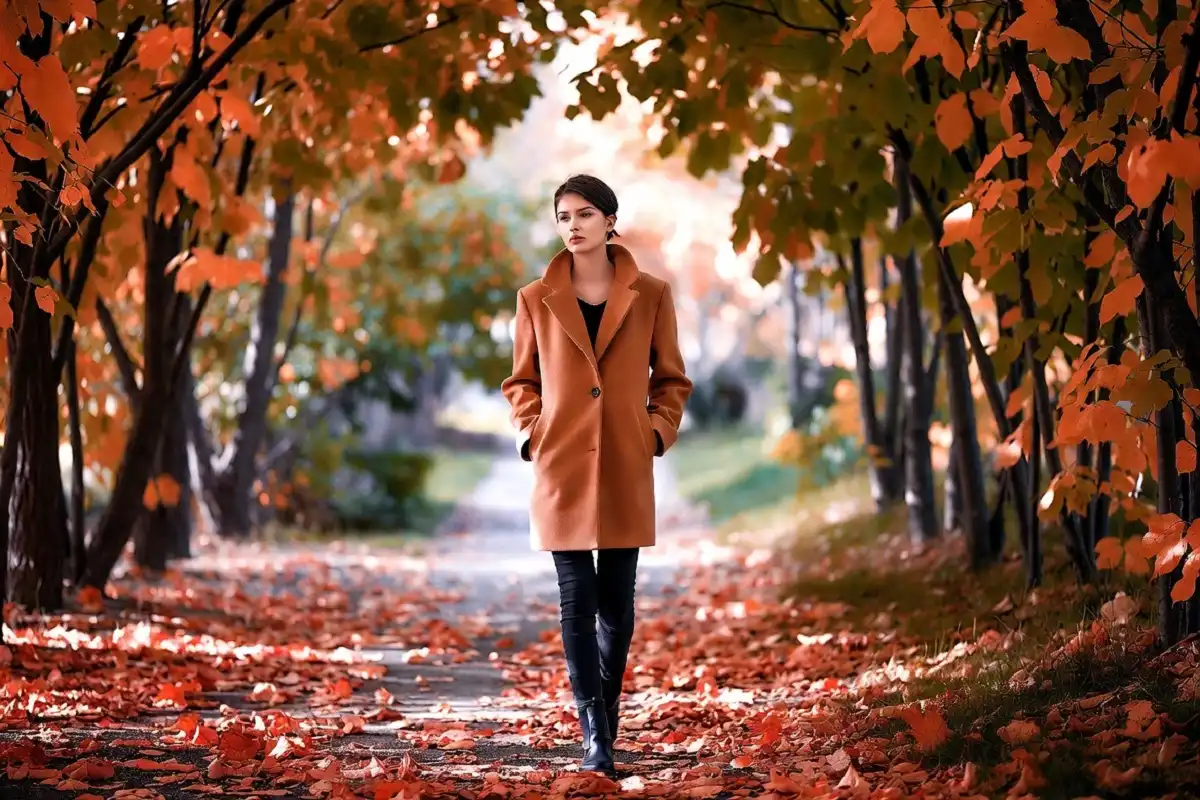
There is something about the shift into autumn that makes dressing well feel exciting again. Fall fashion brings with it a rich palette of warm colors, satisfying textures, and layering opportunities that summer simply cannot match. Whether you are refreshing your wardrobe with a few key pieces or building your autumn look from scratch, this guide has everything you need. From essential items and color trends to styling tips for men and women, consider this your straightforward roadmap to dressing well all season long.
Why Fall Fashion Stands Apart From Other Seasons
Fall fashion occupies a unique position in the style calendar. It sits between the lightness of summer and the heavy utility of winter, which means it rewards thoughtful layering and versatile pieces more than any other season.
The textures available in autumn, think wool, corduroy, leather, flannel, and knit, give outfits a depth and dimension that warmer months simply do not allow. The color palette shifts toward earth tones, deep jewel shades, and neutrals that are both flattering and easy to combine.
It is also the season where accessories genuinely earn their place. Scarves, hats, belts, and boots all move from optional to essential, giving even a simple outfit a well-considered finish.
Fall Fashion Essentials Every Wardrobe Needs
Building a strong fall fashion wardrobe does not require buying everything at once. A handful of versatile core pieces can cover most situations through the entire season.
The pieces worth prioritizing:
- A quality trench or overcoat: The single most versatile outerwear investment for autumn. A camel, tan, or charcoal option works across casual and dressed-up contexts equally well.
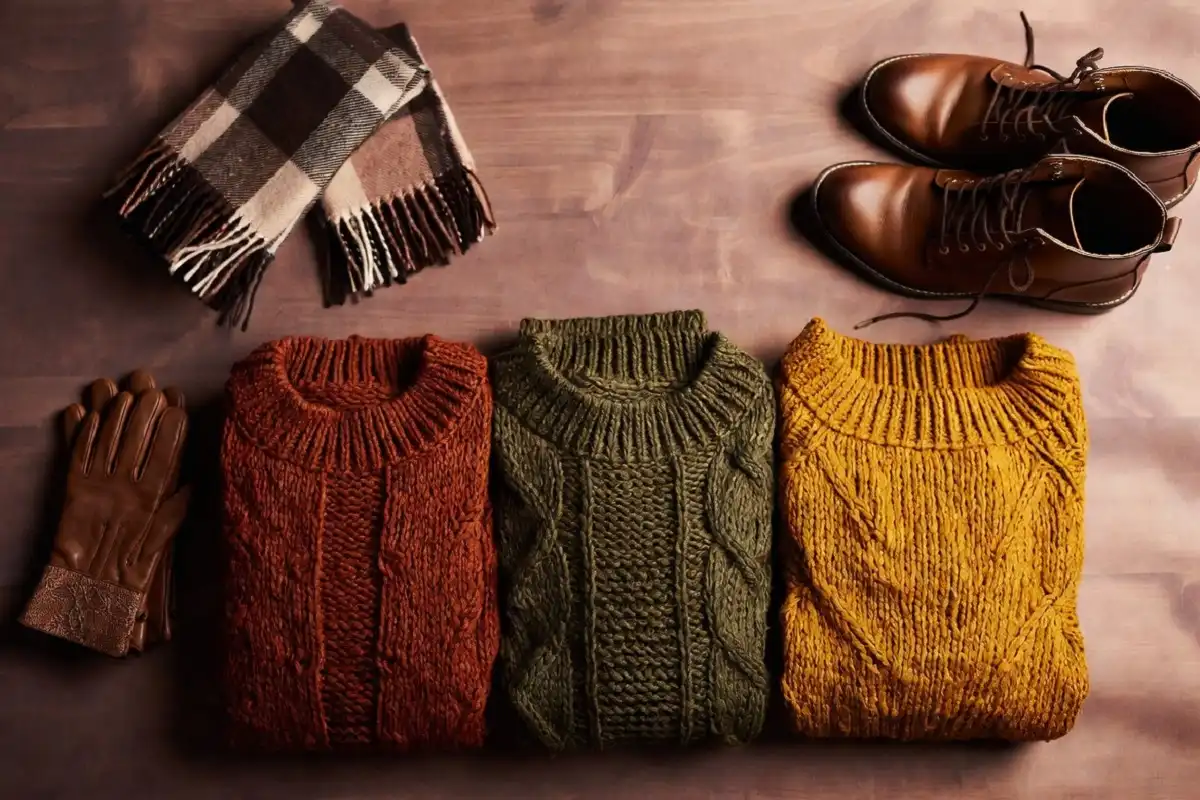
- Chunky knit sweaters: Opt for crew necks or turtlenecks in rust, olive, mustard, or oatmeal tones. These layer well and anchor most autumn outfits.
- Dark denim or tailored trousers: A reliable base for nearly any fall look, pairing easily with both casual layers and sharper outerwear.
- Ankle boots or leather boots: The definitive fall footwear choice, practical for unpredictable weather and visually grounding for layered outfits.
- A plaid or flannel shirt: Useful as a light layer on mild days or worn open over a t-shirt for a relaxed weekend look.
For readers interested in how subcultural and decade-specific styles feed into modern autumn dressing, the 90s mens fashion guide is worth exploring for its influence on current layering and relaxed-fit trends seen throughout fall collections.
Fall Color Palette: What Tones Work Best
Color choice is one of the most defining elements of fall fashion. The season naturally aligns with warmer, deeper, earthier tones that mirror the landscape around us.
The most wearable autumn colors include:
- Earth tones: Camel, terracotta, rust, and tan are the backbone of fall dressing and work with nearly every other shade in the palette.
- Deep jewel tones: Burgundy, forest green, navy, and mustard add richness without clashing with neutrals.
- Classic neutrals: Charcoal, off-white, and chocolate brown provide balance and function as reliable base colors for layered outfits.
The most practical approach is building outfits around one or two neutral anchors and adding one richer tone through a sweater, scarf, or outerwear piece. This keeps looks cohesive without requiring a full wardrobe overhaul.
Layering: The Core Skill of Fall Dressing
Mastering layering is what separates a genuinely good fall fashion wardrobe from one that just looks bundled together. The goal is to create visual interest and practical adaptability at the same time.
A few layering principles that consistently work:
- Start with a fitted base layer such as a plain tee or thin turtleneck, then build outward with progressively heavier pieces.
- Mix textures deliberately. A smooth shirt under a rough-knit sweater under a smooth wool coat creates depth that a single-texture outfit cannot.
- Keep proportions in mind. Oversized outer layers work best over slim or tapered base pieces, and vice versa.
- Let layers show intentionally. A shirt collar or cuff visible beneath a sweater looks considered rather than accidental.
For a broader look at how layering and relaxed silhouettes developed historically, the 70s fashion for men guide shows how many of today’s most popular autumn looks have clear roots in that decade’s approach to texture and proportion.
Fall Fashion for Men: Key Looks to Try
Fall fashion for men leans heavily on outerwear and layering, with the most versatile looks built around a few interchangeable pieces rather than full outfit sets.
Strong options for autumn include the bomber jacket layered over a heavyweight crewneck, the classic chore coat worn open over a flannel shirt and slim trousers, and the wool overcoat paired with dark jeans and leather boots. Each of these builds on simple foundations while delivering a polished overall result.
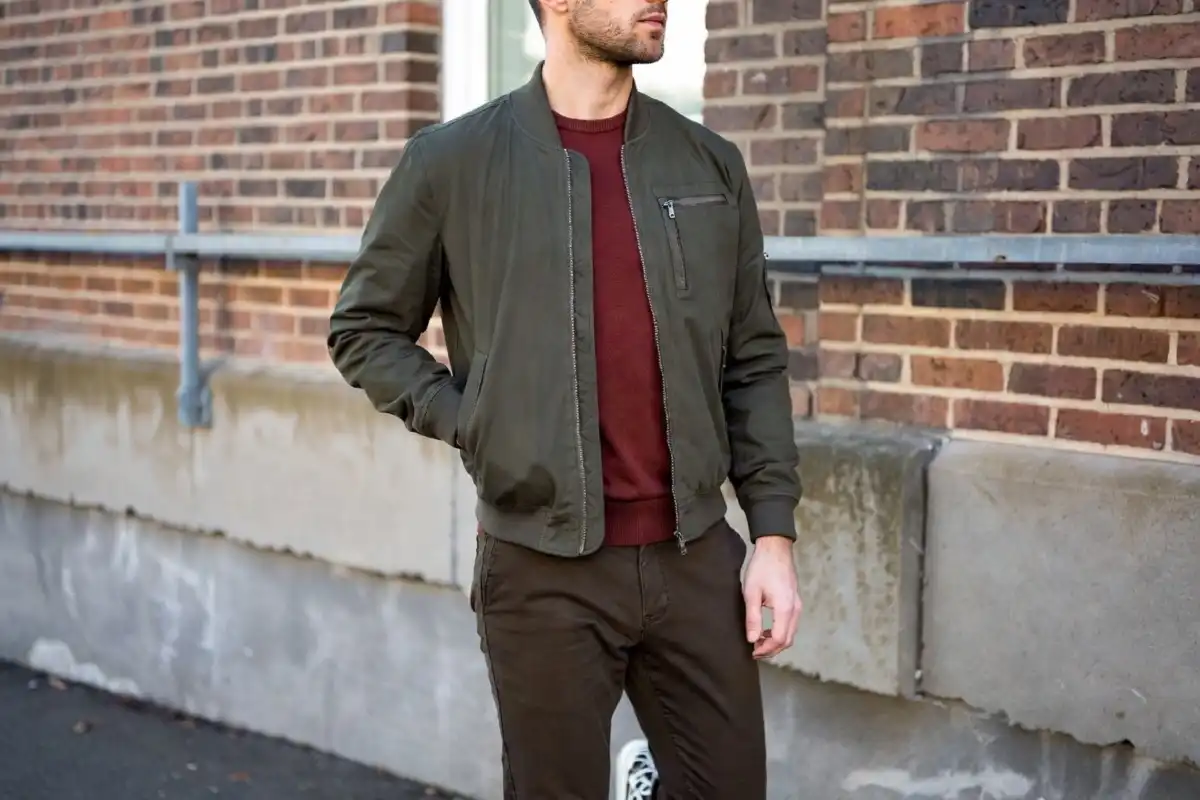
Footwear choices in fall for men tend to center on Chelsea boots, lace-up leather boots, and clean white sneakers for more casual layers. All three work across multiple outfit combinations, making them worth the investment.
Fall Fashion for Women: Standout Autumn Looks
For women, fall fashion offers some of its most expressive styling opportunities. The season supports a wider range of silhouettes and layering combinations than almost any other time of year.
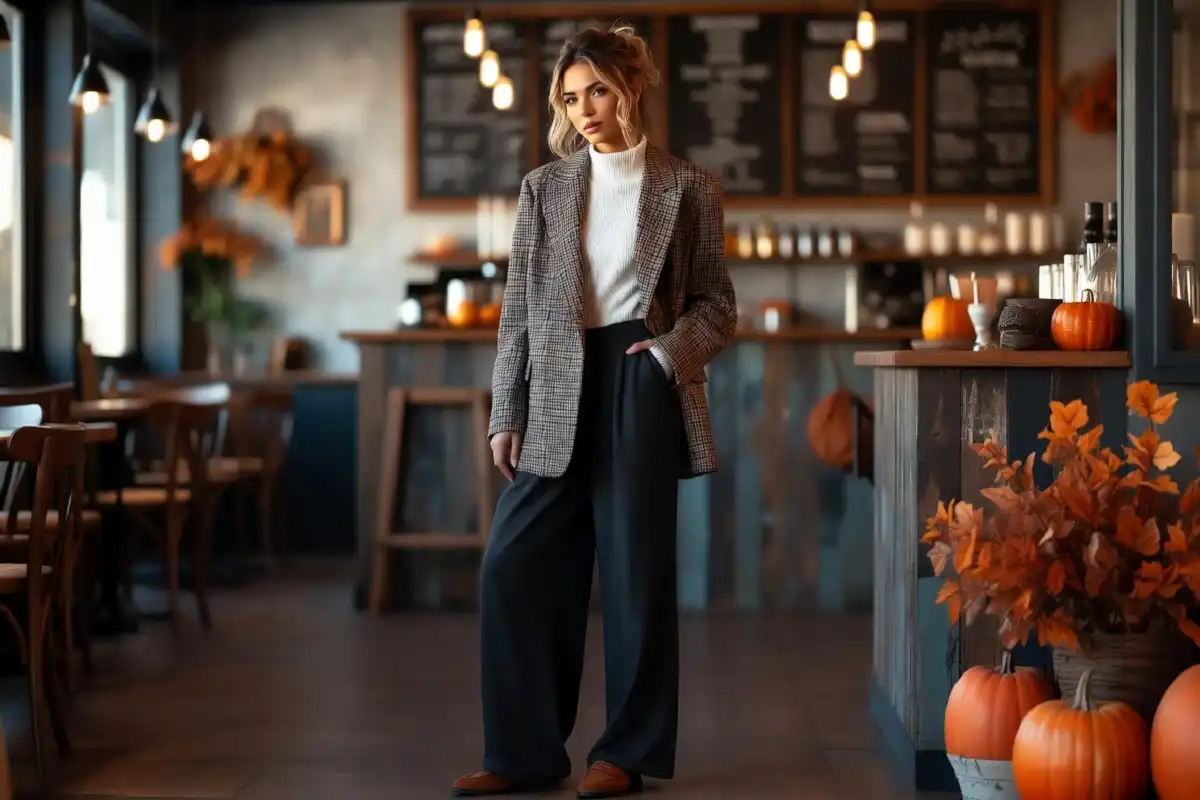
Key looks that define autumn dressing for women include the oversized plaid blazer over a fitted turtleneck, wide-leg trousers with loafers and a structured bag, the midi skirt worn with a chunky knit and knee-high boots, and the classic camel coat over an all-neutral outfit.
The oversized blazer in particular has remained a consistent fall fashion staple, functioning as both a light outer layer and a statement piece depending on what sits beneath it. For readers drawn to the structural, considered approach to dressing seen in some independent fashion labels, the Minna fashion style and values guide offers a thoughtful perspective on building a wardrobe around intentional, lasting pieces rather than seasonal trends alone.
Shopping Smart for Fall Fashion
Updating your wardrobe for autumn does not require spending heavily. A selective approach focused on quality over quantity will serve you far better over a season, and across multiple seasons, than buying trend-led pieces that lose relevance quickly.
The Vogue fashion guide and resources from Who What Wear both offer regularly updated editorial guidance on which seasonal pieces are worth investing in versus which trends are likely to be short-lived. Consulting both before making significant purchases is a practical habit worth building.
Buying one or two quality anchor pieces per season, such as a good coat or well-made boots, and filling the rest of your wardrobe with reliable basics will consistently produce better results than chasing every new trend.
For those considering fashion as a career path rather than just a personal interest, the remote fashion jobs guide covers how the industry has opened up to flexible and location-independent roles, which is worth knowing if styling or fashion writing appeals to you professionally.
FAQs
What are the key pieces for fall fashion this season?
The most versatile fall wardrobe anchors remain a quality trench or wool coat, chunky knit sweaters, dark denim or tailored trousers, ankle or knee-high boots, and a plaid or flannel layer. These pieces combine easily and remain relevant across multiple autumn seasons rather than expiring with one trend cycle.
What colors are most popular in fall fashion?
Earth tones including camel, rust, terracotta, and olive dominate fall fashion palettes, supported by deeper accent shades like burgundy, forest green, and mustard. Charcoal and off-white serve as reliable neutrals that tie warmer tones together cleanly.
How do I layer outfits for fall without looking bulky?
The key is starting with a slim or fitted base layer and building outward with progressively heavier pieces while mixing textures. Keeping at least one slim-fitting item in each layered outfit prevents the overall silhouette from appearing overly heavy or formless.
Is fall fashion different for men and women?
The core principles of layering, color, and texture apply across the board, but the specific silhouettes and garment combinations differ. Men’s fall fashion tends to center on structured outerwear and relaxed layering, while women’s autumn dressing supports a wider variety of proportions and silhouettes including skirts, wide-leg trousers, and oversized blazers.
How many new pieces do I need to update my fall wardrobe?
Three to five well-chosen pieces are typically enough to refresh a wardrobe for autumn if you already own reliable basics. A new coat, a couple of sweaters, and a pair of boots can meaningfully change the range of outfits available to you without requiring a complete seasonal overhaul.
Can I incorporate bolder styles into a fall wardrobe?
Absolutely. Fall fashion supports more expressive choices than many people realize. For readers interested in leaning into a darker or more distinctive aesthetic during autumn, the emo fashion and dark aesthetic guide covers how to incorporate deeper tones and edgier silhouettes into a cohesive seasonal look.
Conclusion
Fall fashion rewards anyone willing to invest a little thought into color, layering, and a handful of quality pieces. You do not need a large budget or a full wardrobe refresh to dress well this autumn. Start with one strong outer layer, build around versatile earth tones, and let texture do the heavy lifting. If you are ready to elevate your style this season, begin with one or two anchor pieces and build from there. Your best autumn wardrobe is closer than you think.