Introduction
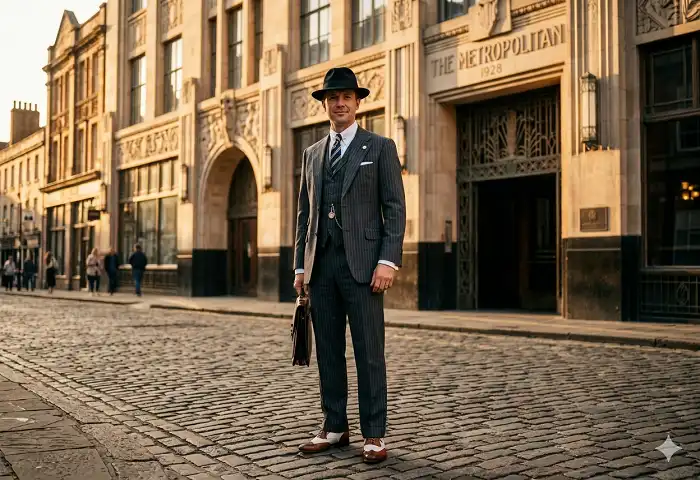
There’s a reason 1920s mens fashion still turns heads a century later — it was bold, sharp, and dripping with confidence. Whether you’re a vintage enthusiast or just looking to add some old-school edge to your wardrobe, the style secrets of the Jazz Age have a lot to teach us.
In this guide, we’ll break down everything you need to know about 1920s mens fashion: the essential garments, the signature accessories, the cultural forces that shaped the look, and how you can actually wear these timeless pieces today. From the suave three-piece suit to the iconic flat cap, 1920s style for men was far more detailed — and far more wearable — than most people realize.
What Defined 1920s Mens Fashion?
The Cultural Shift Behind the Clothes
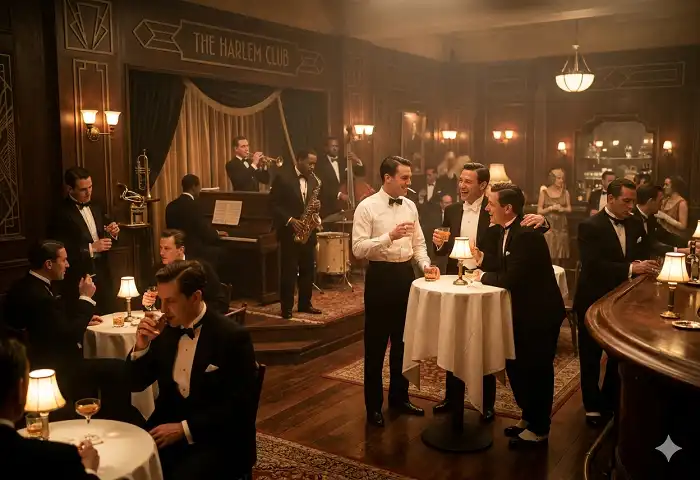
The 1920s were unlike any decade before them. Fresh out of World War I, society was hungry for change. Jazz music exploded. Speakeasies thrived. And with prosperity came a whole new approach to dressing.
1920s mens fashion reflected this shift perfectly. Men began dressing not just for function but for expression. Clothes became looser, more relaxed, yet paradoxically more polished. It was the era of the well-dressed gentleman who also knew how to have fun.
This cultural context is key to understanding why Roaring 20s fashion produced such iconic styles — the clothes weren’t just clothes. They were a statement.
Key Influences on 1920s Mens Style
- The Jazz Age — Music venues demanded sharp, flexible clothing
- Hollywood cinema — Early film stars set style trends for millions
- Sporting culture — Golf, tennis, and spectator sports introduced casual wear
- Post-war prosperity — More disposable income meant more fashion investment
- Art Deco movement — Geometric patterns and clean lines infiltrated menswear
The Essential Pieces of 1920s Mens Fashion
1. The Three-Piece Suit
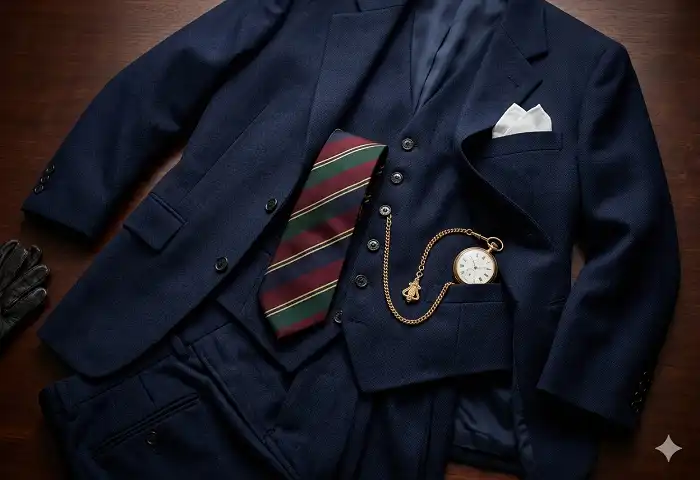
No discussion of 1920s mens fashion is complete without the three-piece suit. This was the backbone of the era’s style for men. The suit consisted of:
- A tailored jacket with wide lapels
- A matching waistcoat (vest) with a pocket watch chain
- High-waisted trousers with a slight taper
Fabrics ranged from wool flannel in winter to linen in summer. Pinstripes, herringbone, and chalk stripes were especially popular patterns. Colors leaned toward navy, charcoal, brown, and cream.
The fit was structured but not restrictive. Jackets were typically single-breasted with two or three buttons, and trousers had a high rise that elongated the silhouette.
2. Oxford Bags and Wide-Leg Trousers
One of the most distinctive elements of 1920s mens fashion was the Oxford bag — an extremely wide-legged trouser that became popular among university students and then spread to mainstream fashion.
These trousers could measure up to 40 inches at the knee. They were worn high on the waist, with a sharp center crease, and often cuffed at the ankle. If you’ve seen The Great Gatsby on film, you’ve seen Oxford bags in action.
3. The Sports Coat and Blazer
Not every occasion called for a full suit. The rise of leisure culture introduced the sports coat — a single jacket worn with contrasting trousers. Blazers in navy or cream with brass buttons were particularly fashionable.
This more relaxed take on 1920s mens fashion was perfect for sporting events, countryside outings, and casual social gatherings.
4. Knitwear and the Fair Isle Sweater
Thanks in large part to the Prince of Wales (later King Edward VIII), knitwear became a staple of 1920s men’s wardrobes. The Fair Isle sweater — featuring intricate geometric patterns — was especially trendy.
Knitwear was paired with plus fours (baggy knickerbockers) for golf or with regular trousers for a smart-casual look. This was one of the earliest examples of “athleisure” in men’s fashion history.
1920s Mens Fashion: Shirts, Ties, and Neckwear
Dress Shirts
The dress shirts of the 1920s were predominantly white or pale pastel — pale blue, cream, and lavender were acceptable alternatives. Shirts featured:
- Stiff detachable collars (for formal wear)
- Attached soft collars (for casual wear)
- French cuffs with cufflinks for evening events
Ties and Bow Ties
1920s mens fashion embraced both neckties and bow ties enthusiastically. Neckties were wider than today’s standard and often featured bold patterns — stripes, paisleys, geometric prints, and club patterns.
Bow ties were a must for formal evening wear and were also worn in daytime settings by more fashion-forward men. The four-in-hand knot was the go-to tie knot of the decade.
Hats, Shoes, and Accessories
The Hat: An Essential Element
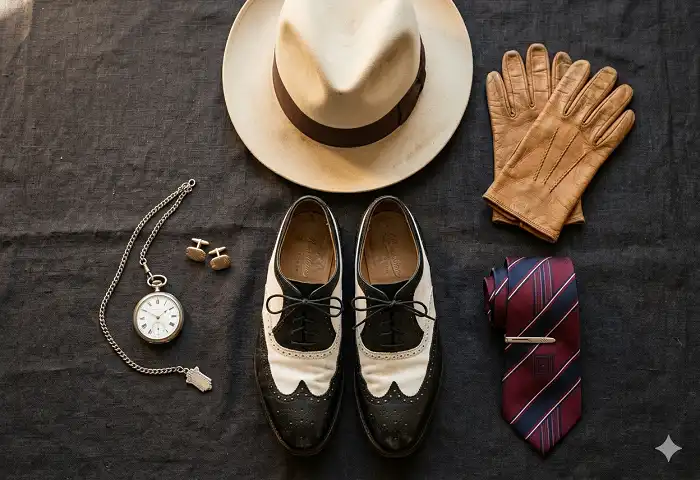
No 1920s outfit was complete without a hat. The major hat styles of the era included:
- Fedora — Soft felt with a pinched crown; the most iconic option
- Flat Cap / Newsboy Cap — Popular for everyday and working-class wear
- Bowler (Derby) — A stiff felt hat for formal occasions
- Straw Boater — Worn in summer; associated with leisure and regatta culture
- Top Hat — Reserved for black-tie and white-tie events
Choosing the right hat was considered as important as choosing the right suit in 1920s mens fashion.
Shoes of the 1920s
Footwear followed the overall theme of the era: polished, structured, and purposeful.
- Two-tone Oxfords (Spectator shoes) — Black and white or tan and white; the ultimate jazz-era statement shoe
- Brogues — Leather shoes with decorative perforations; used for country and casual wear
- Patent leather Oxfords — For formal evening events
- Cap-toe Oxfords — Versatile and clean for daytime business wear
Accessories That Completed the Look
1920s mens fashion was all about the details. Key accessories included:
- Pocket watches with chains — A symbol of prosperity and taste
- Cufflinks — Gold or silver, often monogrammed
- Collar pins and tie bars — Added structure and sophistication
- Gloves — Kid leather gloves for formal occasions
- Walking sticks and canes — A dandy’s accessory for evening wear
- Suspenders (braces) — Preferred over belts for holding up high-waisted trousers
Evening Wear and Formal 1920s Mens Fashion
Black Tie: The Tuxedo Rises
The 1920s saw the tuxedo (or dinner jacket) rise to prominence as the preferred option for formal evening events. It replaced the tailcoat for semi-formal occasions and became the go-to for speakeasy nights, dinner parties, and dances.
Key elements of 1920s formal wear:
- Black dinner jacket with silk lapels
- Matching black trousers with a satin side stripe
- White dress shirt with a pleated bib front
- White waistcoat or cummerbund
- Black bow tie
- Patent leather Oxford shoes
If you want to understand the full history of such elaborate formalwear traditions, checking out Rococo fashion history and its influence on modern style offers fascinating context for how historical periods shape menswear across centuries.
How to Wear 1920s Mens Fashion Today
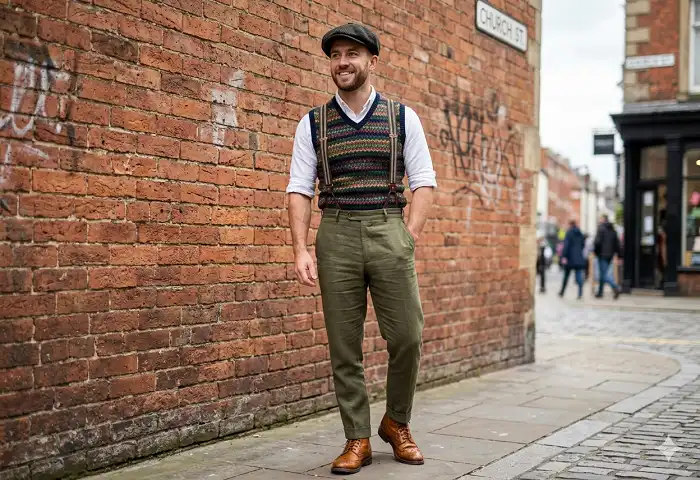
Modernizing the Gatsby Look
You don’t need a time machine or a costume party to wear 1920s mens fashion today. The key is mixing vintage-inspired pieces with modern fits and fabrics.
Tips for wearing 1920s style in 2025:
- Start with a well-tailored suit — Look for high-waisted trousers and wide-lapel jackets in neutral tones
- Add a waistcoat — Even worn with jeans, a waistcoat instantly adds 1920s flair
- Invest in a quality fedora or flat cap — Choose felt for winter, straw or cotton for summer
- Wear spectator shoes — Two-tone brogues or Oxfords are back in style and widely available
- Accessorize with intention — A tie bar, pocket square, and cufflinks elevate any outfit
- Try Fair Isle knitwear — A Fair Isle sweater layered over a collared shirt is a timeless look
- Embrace patterns — Pinstripes, houndstooth, and chalk stripes are all on-trend again
If you’re looking for budget-friendly ways to build a vintage-inspired wardrobe, learning how to save on fashion purchases with smart discount strategies can help stretch your styling budget significantly.
Understanding what makes someone a true fashion icon and how timeless style rules apply across eras is also a great lens through which to appreciate 1920s menswear’s lasting influence.
1920s Mens Fashion vs. Today’s Trends
| Element | 1920s Original | Modern Interpretation |
|---|---|---|
| Suit Trousers | High-waisted, wide-leg | High-rise tapered or straight |
| Jacket Fit | Structured, padded shoulders | Slim or relaxed fit |
| Neckwear | Wide ties, bow ties | Skinny ties making a comeback |
| Hats | Essential, formal | Fashion accessory, casual |
| Shoes | Oxfords, spectators | Modernized brogues & loafers |
| Fabric | Wool, linen, flannel | Performance blends + heritage fabrics |
Famous Style Icons of 1920s Mens Fashion
Learning from the best-dressed men of the era can inspire your own approach to 1920s mens fashion:
- The Prince of Wales (Edward VIII) — Champion of Fair Isle knitwear, plus fours, and casual sophistication
- F. Scott Fitzgerald — The literary symbol of Jazz Age glamour
- Rudolph Valentino — Hollywood’s first male style icon, known for slicked hair and tailored suits
- Duke of Windsor — Set global trends with his bold pattern mixing and impeccable suiting
- Al Capone — Pinstripe suits and fedoras as power dressing in the criminal underworld
According to Wikipedia’s overview of 1920s fashion, the decade represented a pivotal shift in how both men and women related to clothing — moving from stiff Victorian formality toward a more personal, expressive approach to dress.
Where to Buy 1920s-Inspired Mens Fashion Today
Finding authentic or inspired 1920s mens fashion pieces has never been easier:
- Vintage and thrift stores — Best source for authentic pieces and one-of-a-kind finds
- Online vintage marketplaces — Etsy, eBay, and Depop are goldmines for 1920s clothing
- Heritage brands — Brooks Brothers, Turnbull & Asser, and similar brands offer classic American/British styling
- Contemporary brands — Many modern brands offer 1920s-inspired collections
- Costume rental shops — Great for one-time events without the investment
For an in-depth look at how fashion periods influence contemporary collections, Vogue’s historical fashion archives provide exceptional reference material.
FAQ: 1920s Mens Fashion
What did men wear in the 1920s?
Men in the 1920s primarily wore three-piece suits, Oxford bags, waistcoats, and dress shirts paired with ties or bow ties. 1920s mens fashion was characterized by tailored silhouettes, high-waisted trousers, and accessories like fedoras, flat caps, pocket watches, and two-tone spectator shoes.
What is the Great Gatsby style for men?
The Great Gatsby look is the most glamorous end of 1920s mens fashion — think cream or white linen suits, pastel shirts, straw boater hats, and spectator shoes. It represents the upper-class, summer party aesthetic of the era, perfect for garden parties and formal events.
How do I dress in a 1920s mens fashion style today?
To adopt 1920s mens fashion today, start with a high-waisted trouser and structured blazer, add a waistcoat, tie, and flat cap or fedora. Complete the look with Oxford shoes or two-tone brogues and a few key accessories like a tie bar or pocket square. The secret is layering and tailoring.
What colors were popular in 1920s mens fashion?
Popular colors in 1920s mens fashion included charcoal gray, navy blue, cream, tan, and brown. For summer, cream and beige linen suits were fashionable. Patterns like pinstripes, chalk stripes, herringbone, and Fair Isle prints were widely worn.
What hats were popular in the 1920s for men?
The most iconic hats in 1920s mens fashion were the fedora, flat cap, newsboy cap, bowler hat, straw boater, and top hat. The choice of hat depended heavily on the social occasion and the outfit it accompanied.
Did men wear suspenders in the 1920s?
Yes — suspenders (called braces in the UK) were standard in 1920s mens fashion. Since trousers were worn high on the waist, belts were considered less refined. Suspenders provided both function and a touch of elegance to the overall look.
Conclusion
1920s mens fashion was more than just a collection of garments — it was a cultural revolution worn on the body. From the precision of the three-piece suit to the playful swagger of Oxford bags, men of the Roaring Twenties dressed with intention, personality, and confidence.
The great news? These styles haven’t just survived — they’ve thrived. Tailored silhouettes, heritage fabrics, classic hats, and quality leather shoes are all having major moments in contemporary menswear. The Jazz Age isn’t behind us — it’s a blueprint we can keep drawing from.
Ready to build your 1920s-inspired wardrobe? Start with one great suit, one statement hat, and a pair of quality Oxford shoes. Master those three pieces and you’ll have the foundation of a truly timeless personal style.
Explore more timeless style guides, vintage fashion breakdowns, and modern wardrobe tips at luffygear5.org — your destination for fashion that transcends trends.