Introduction
Imagine a world where fashion is pure theater — where a woman’s gown could span six feet wide and a man’s coat was embroidered with entire garden scenes in silk thread. That world was the age of rococo fashion, and its influence on clothing, beauty, and luxury style has never fully faded.
In this guide, we’ll take you through the defining elements of 18th-century rococo dress, the cultural forces that shaped it, real historical examples, and how rococo aesthetics are making a striking comeback in contemporary fashion.
What Is Rococo Fashion? A Historical Overview
Rococo fashion flourished in France between approximately 1720 and 1780, emerging as a reaction to the heavy grandeur of the Baroque era. Where Baroque was imposing and theatrical, rococo embraced lightness, femininity, and playful ornamentation. The term “rococo” itself derives from the French word rocaille, meaning “shell” or “stone decoration” — a nod to the organic, curving motifs that defined the style.
At its core, rococo fashion was a celebration of excess — but an elegant, refined excess. It was the visual language of a French aristocracy that wanted to signal wealth, taste, and leisure in every fold of silk and every jeweled accessory.
“Rococo fashion was not simply clothing — it was a social performance, a visual declaration of one’s place in the most powerful court in Europe.”
The Reign of Louis XV and Marie Antoinette’s Influence
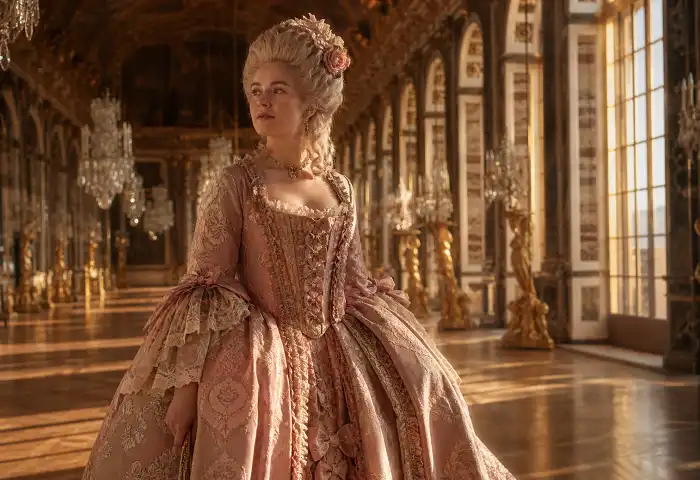
The reign of Louis XV (1715–1774) marked rococo fashion’s golden age. The French court at Versailles set the global standard for elegance, and European nobility scrambled to imitate every trend. Later, Marie Antoinette — perhaps the most famous icon of rococo-era style — pushed the aesthetic to its most extravagant heights under Louis XVI. Her rose-pink silk gowns, towering powdered wigs adorned with ships and birdcages, and fondness for layered lace and ribbon became the definitive image of rococo excess.
Key Elements of Rococo Fashion for Women
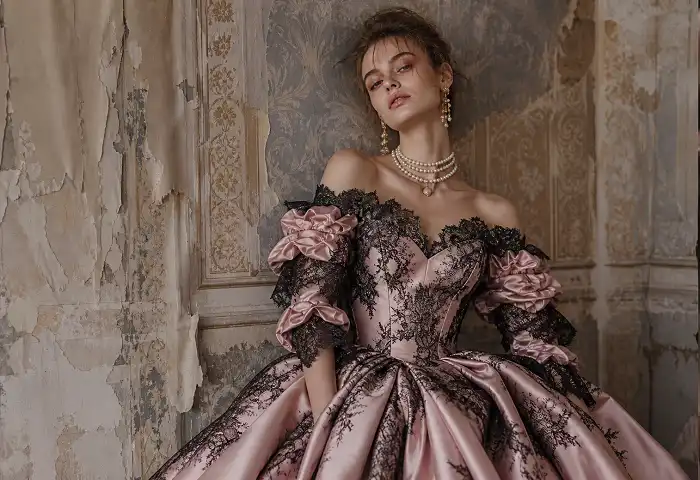
Women’s rococo dress is instantly recognizable and remains one of the most studied aesthetics in fashion history. Here are its defining features:
- The Robe à la Française: The signature gown of the era, featuring pleats falling from the neckline at the back (Watteau pleats), a fitted bodice, and wide skirts supported by panniers.
- Panniers and Petticoats: Side hoops (panniers) created an exaggerated, wide silhouette at the hips, sometimes reaching absurd widths for formal court occasions.
- Pastel Color Palettes: Pale pinks, soft blues, creamy whites, and lavender were favored — a stark contrast to the deep, saturated tones of the earlier Baroque period.
- Silk, Brocade, and Lace: Luxurious textiles were essential. Lyon silk was the most coveted fabric, often woven with floral or botanical patterns.
- Ribbon, Ruching, and Ruffles: Decoration was applied in layers. Sleeves were typically elbow-length with cascading lace engageantes.
- Powdered Wigs and Elaborate Hairdressing: By the 1770s, women’s hair was piled into architectural constructions sometimes exceeding two feet in height.
Style TipWant to incorporate rococo elements into modern fashion? Start with pastel tones, lace overlays, and ruched detailing — these translate beautifully into contemporary dresses and blouses without requiring a full 18th-century silhouette.
Men’s Rococo Fashion: Underrated and Extraordinary
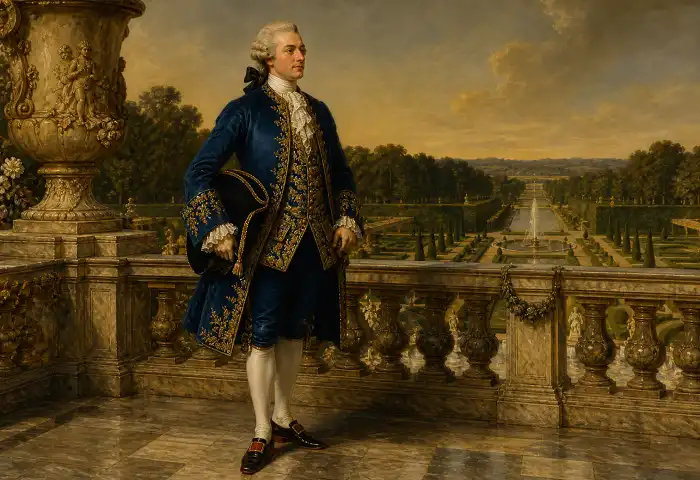
While women’s rococo fashion tends to dominate discussions, men’s dress of the period was equally remarkable. The standard ensemble — the “habit à la française” — consisted of a fitted coat (justaucorps), a waistcoat, and knee breeches. This three-piece silhouette was the ancestor of the modern suit.
Hallmarks of Men’s Rococo Dress
- Embroidered Coats: Men’s coats were elaborately decorated with silk embroidery, often depicting pastoral scenes, flowers, or architectural motifs.
- Rich Fabrics: Velvet, silk brocade, and fine wool in jewel tones like peacock blue, claret, and forest green were fashionable for formal wear.
- Lace and Ruffles: Men wore lace jabots (ruffled neck pieces) and lace cuffs as symbols of wealth and refinement.
- Tricorn Hats and Wigs: Powdered wigs, often tied with a black ribbon (the “cravat”), and tricorn hats completed the formal look.
- Heeled Shoes: Red-heeled shoes were a privilege exclusive to the French nobility — a literal mark of status.
Rococo vs. Baroque Fashion: What’s the Difference?
These two periods are frequently confused, but their aesthetics differ significantly:
- Scale: Baroque favored massive, imposing scale. Rococo preferred a lighter, more intimate proportionality.
- Color: Baroque used deep, dramatic colors. Rococo shifted toward pastels and lighter hues.
- Ornamentation: Baroque ornamentation was bold and symmetrical. Rococo favored asymmetry, curves, and naturalistic motifs like shells, flowers, and vines.
- Mood: Baroque conveyed power and authority. Rococo evoked pleasure, leisure, and romantic charm.
Fabrics and Textiles: The Backbone of Rococo Style
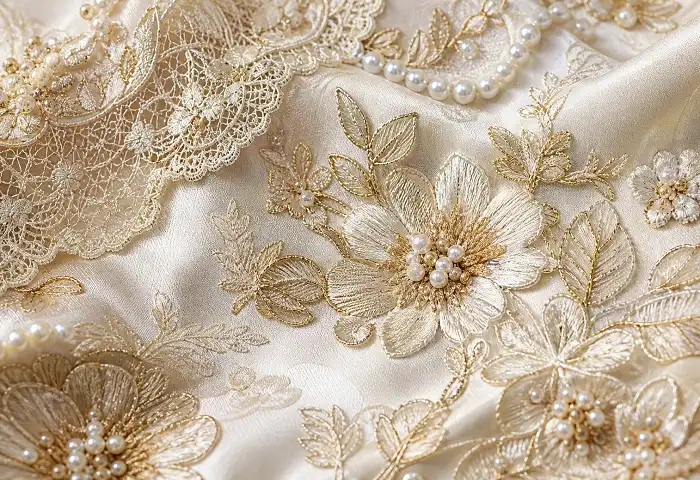
No element defined rococo fashion more than its fabrics. The Silk Road and France’s own thriving Lyon silk industry supplied the aristocracy with materials that were works of art in themselves.
Most Important Rococo Fabrics
- Lyon Silk: The gold standard of rococo textiles, often woven with complex floral brocades by master craftsmen.
- Point de France Lace: French needle lace was painstakingly handmade and could take years to complete a single length.
- Velvet and Satin: Used for men’s formal coats and women’s bodices, adding depth and sheen.
- Muslin and Gauze: Lighter alternatives for informal wear, particularly popular in the later “pastoral” phase of the 1770s–80s.
The cost of a single court gown in 18th-century France could equal several years’ wages for an ordinary craftsman — a reality that fed growing resentment toward aristocratic excess ahead of the Revolution.
Rococo Fashion in Art and Culture
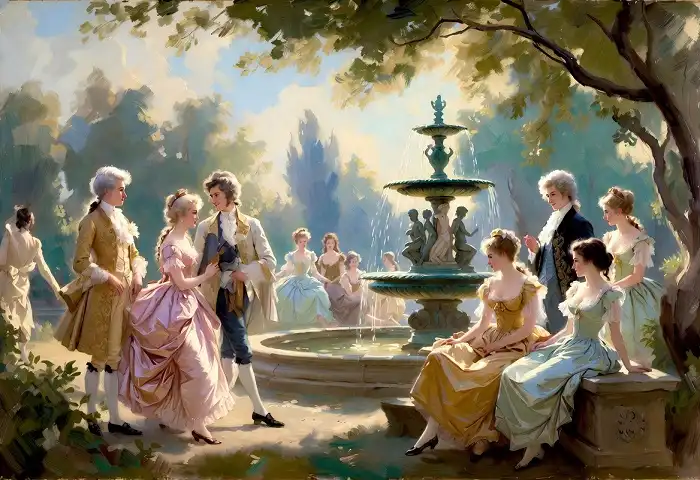
Understanding rococo fashion is impossible without also examining the paintings of the era. Artists like Jean-Antoine Watteau, François Boucher, and Jean-Honoré Fragonard documented the fashions of their time with exquisite detail. Watteau’s “fête galante” paintings — elegantly dressed figures enjoying leisure in idealized pastoral settings — are among the most important visual records of rococo style in existence.
The era also saw the birth of the fashion doll (poupée de la mode) — small mannequins dressed in miniature court fashions that were sent across Europe to spread Parisian trends. In many ways, these were the Instagram influencers of the 18th century.
The Modern Revival of Rococo Fashion
Rococo fashion never truly died — it simply evolved. Today, designers regularly return to its vocabulary for inspiration:
- Vivienne Westwood consistently drew on 18th-century silhouettes and corseted structures throughout her career.
- Valentino’s Spring 2023 collection embraced rococo pastels and floral embroidery in a modern haute couture context.
- Bridgerton (Netflix) brought neo-rococo aesthetics into mainstream pop culture, sparking massive consumer interest in cottagecore and empire-waist designs.
- Cottagecore and Regencycore — both trending fashion aesthetics — borrow heavily from the lighter, pastoral end of the rococo tradition.
Actionable Tip for Fashion EnthusiastsTo embrace rococo-inspired fashion in everyday wear: choose dresses with floral brocade patterns, seek out puff-sleeve blouses in dusty rose or sky blue, accessorize with pearl and cameo jewelry, and look for shoes with a modest block heel reminiscent of period footwear.
Frequently Asked Questions
- Q1. What time period is rococo fashion associated with?
- Q2. How is rococo fashion different from baroque fashion?
- Q3. Who were the key figures of rococo fashion?
- Q4. What colors are typical of rococo fashion?
- Q5. Is rococo fashion making a comeback?
- Q6. What fabrics are most associated with rococo dress?
Conclusion
Rococo fashion stands as one of history’s most visually magnificent clothing traditions — a world of shimmering silk, architectural wigs, embroidered coats, and pastel dreams. Born from the French aristocracy’s desire to live beautifully, it gave the world some of its most enduring aesthetic ideas: the romance of lace and ribbon, the elegance of a structured silhouette, and the radical notion that clothing can be a form of fine art.
From Versailles to the Valentino runway, from Marie Antoinette to the Bridgerton ballroom, rococo fashion continues to inspire, captivate, and reinvent itself for each new generation. Its DNA runs through modern haute couture, everyday cottagecore styling, and everything in between.
Whether you’re a fashion historian, a costume enthusiast, or simply someone who loves beautiful clothes, understanding rococo fashion enriches your appreciation of everything the fashion world creates today.