Introduction
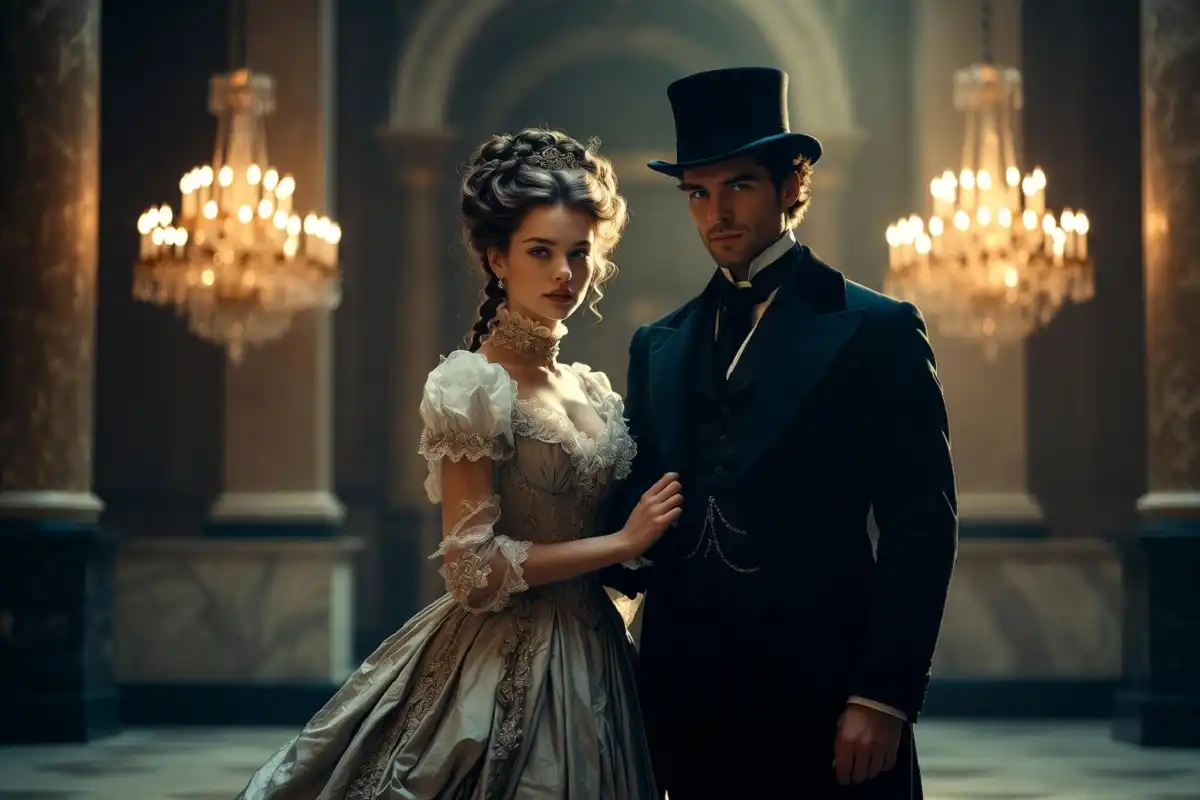
Imagine stepping into a world of corsets, top hats, gloves, and grand ball gowns—a time when every detail of an outfit told a story about wealth, status, and personality.
That’s the magic of 1800s fashion, a century full of dramatic style shifts that still influence modern wardrobes today. In this guide, we’ll explore how 1800s fashion evolved from the soft Regency silhouettes of the early 1800s to the grand bustles and top hats of the late Victorian era. Whether you love history, costume design, or vintage-inspired outfits, you’ll find something fascinating in this complete journey through 19th-century style.
Let’s dive in.
Why 1800s Fashion Still Matters Today
Although the 19th century ended over 120 years ago, 1800s fashion remains a powerful source of inspiration. Fashion designers, period dramas, and modern brands constantly reference the romance and elegance of this era.
Here’s why it endures:
- 🪡 It introduced timeless tailoring techniques
- 👗 It defined gender fashion norms still seen today
- 🎩 It birthed the modern suit
- 🌹 It inspired countless period dramas and film designs
- ✨ It blended craftsmanship with rich storytelling
Modern aesthetics like old money fashion borrow heavily from late 1800s tailoring traditions—proving the era’s lasting influence.
A Quick Overview of 1800s Fashion Eras
The 1800s spanned 100 years of dramatic change. Each decade brought new silhouettes, fabrics, and ideals.
| Era | Time Period | Key Style |
|---|---|---|
| Regency | 1800–1820 | High-waisted gowns, soft fabrics |
| Romantic | 1820–1840 | Puffed sleeves, full skirts |
| Early Victorian | 1840–1860 | Crinolines, modest necklines |
| Mid-Victorian | 1860–1880 | Wide hoop skirts, layered details |
| Late Victorian | 1880–1900 | Bustles, tailored suits, structured fashion |
Now, let’s explore each era more deeply.
Regency Era 1800s Fashion (1800–1820)
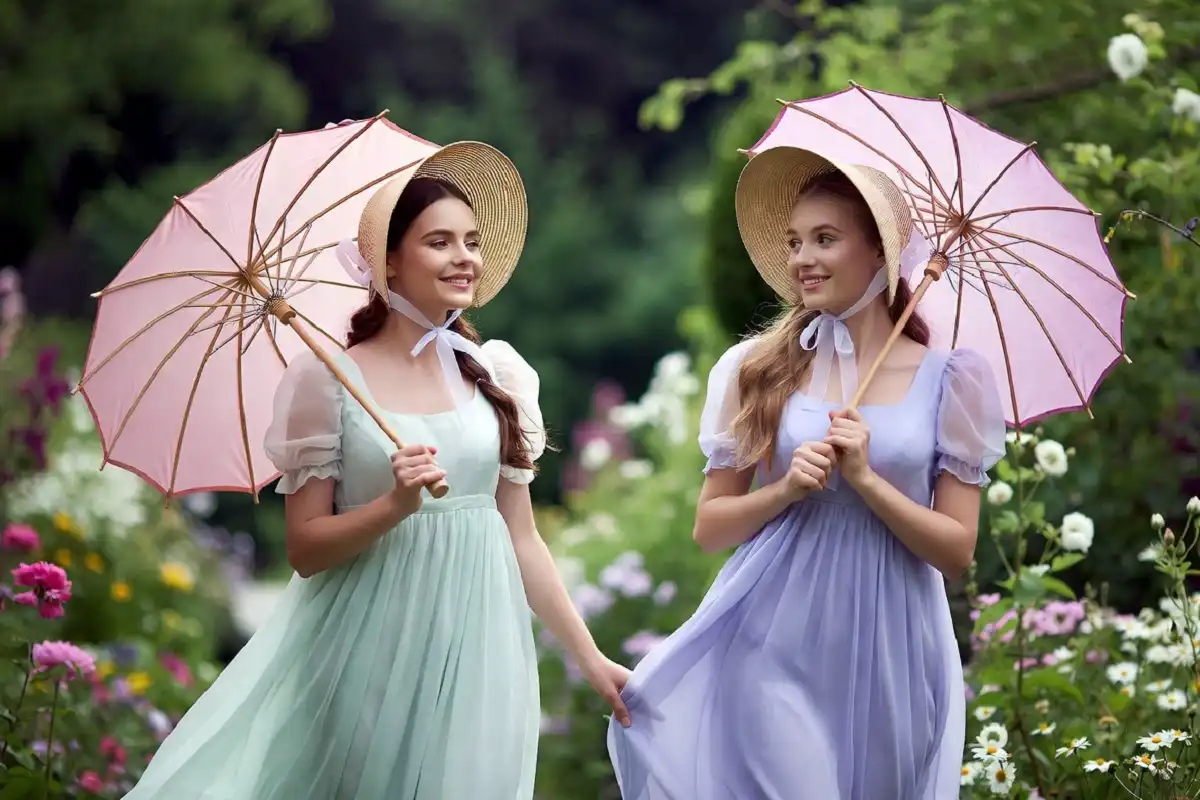
The Regency era is famous thanks to authors like Jane Austen. Think Bridgerton-style dresses, soft muslins, and graceful silhouettes.
Women’s Style:
- 👗 High-waisted “empire” gowns
- 🎀 Soft pastel colors and white muslin
- 🧤 Long elbow gloves
- 🎩 Bonnets and turbans
- 👠 Flat slippers (no heels yet!)
Men’s Style:
- 🎩 Tailcoats with high collars
- 👖 Tight breeches and long trousers
- 👞 Hessian boots
- 🎀 Silk cravats
This was the beginning of the modern men’s suit, an evolution that ties directly into today’s high fashion tailoring traditions.
Romantic Era 1800s Fashion (1820–1840)
The Romantic era is when fashion became more dramatic. Skirts grew fuller, sleeves puffier, and fabrics richer.
Women’s Style:
- 🌸 Gigot (leg-of-mutton) sleeves
- 👗 Full bell-shaped skirts
- 🎩 Elaborate hats and bonnets
- 💍 Lace details and embroidery
Men’s Style:
- 🧥 Frock coats with structured shoulders
- 🎩 Tall stovepipe hats
- 🪡 Fitted waistcoats and silk ties
- 👞 Polished leather boots
This era leaned into expressive, almost theatrical clothing—similar to today’s bold styles like punk fashion, where self-expression takes center stage.
Early Victorian Era 1800s Fashion (1840–1860)
When Queen Victoria took the throne in 1837, modesty took center stage. Clothing became more conservative and structured.
Women’s Style:
- 👗 Bell-shaped skirts supported by crinolines
- 🧣 High necklines and long sleeves
- 🎀 Bonnets that framed the face
- 💎 Modest jewelry like cameos and brooches
Men’s Style:
- 🧥 Three-piece suits became the standard
- 🎩 Top hats for formal occasions
- 👞 Polished black leather shoes
- 🪡 Cravats slowly replaced by neckties
The seeds of modern men’s tailoring were planted here, an evolution beautifully echoed in today’s old money fashion style codes.
Mid-Victorian Era 1800s Fashion (1860–1880)
This was the most extravagant period of 19th-century style. Skirts ballooned, dresses became multilayered, and accessories ruled.
Women’s Style:
- 👗 Hoop skirts and crinolines
- 🌹 Bright dyes (thanks to new chemical inventions)
- 🪡 Detailed lace, ribbons, and ruffles
- 👜 Ornate handbags called “reticules”
Men’s Style:
- 🧥 Slimmer frock coats
- 🎩 Bowler hats appeared
- 👔 Bow ties and patterned waistcoats
- 🥾 Ankle boots became popular
According to Wikipedia’s overview of Victorian fashion, the Mid-Victorian era was the height of fabric innovation, with new dyes and machinery changing what people could wear.
Late Victorian Era 1800s Fashion (1880–1900)
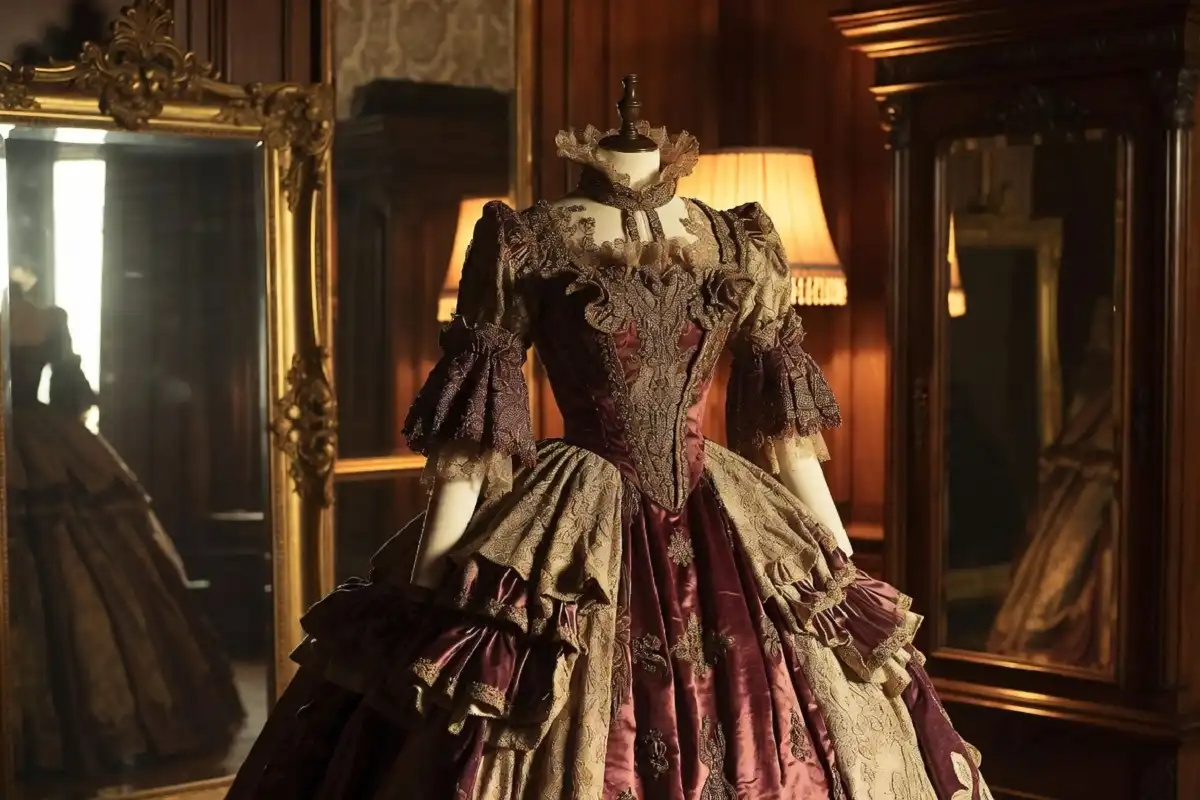
The final decades of the century brought structure, sophistication, and the rise of the bustle dress.
Women’s Style:
- 👗 Bustles that exaggerated the back of the dress
- 👒 Wide-brimmed hats with feathers
- 🪡 Tailored jackets and walking suits
- 💄 Subtle makeup became more accepted
Men’s Style:
- 🧥 Sack suits (early version of the modern suit)
- 🎩 Bowler and homburg hats
- 👔 Ascots and silk ties
- 👞 Oxford shoes
This era is when men’s clothing became remarkably similar to today’s tailored suits—a foundation for everything from Joe Burrow’s NFL fashion to red-carpet styling.
Fabrics and Materials That Defined 1800s Fashion
Fabric choices were a clear sign of social status. Here’s what was popular throughout the century.
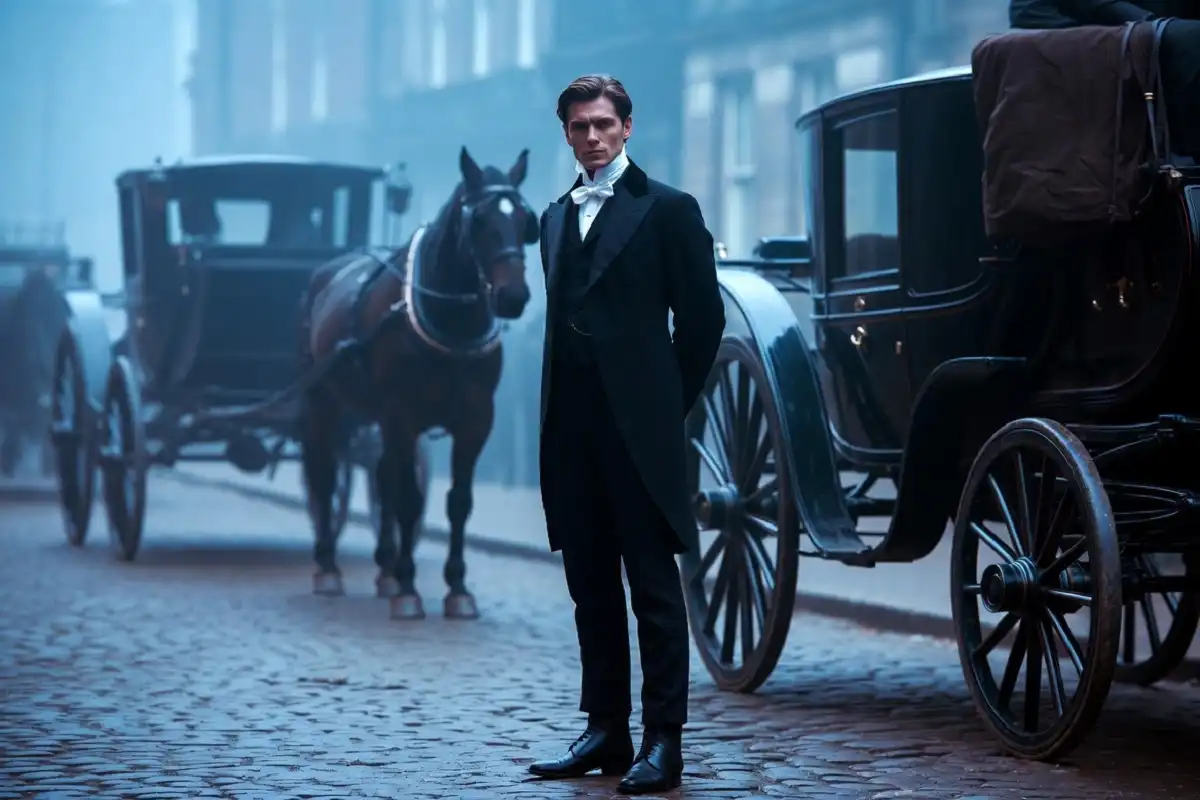
- 🌿 Cotton – Affordable and breathable; used for muslin gowns
- 🐑 Wool – Common for outerwear and men’s suits
- 🪡 Silk – Reserved for the upper class
- 🌸 Lace – Symbol of femininity and luxury
- 🧵 Velvet – Used for evening attire
- 🌾 Linen – Essential for undergarments
By the late 1800s, factory production made many fabrics more accessible to middle-class families.
Accessories That Defined 1800s Fashion
Accessories were just as important as outfits. Here’s what completed the look.
Women:
- 🎀 Bonnets and feathered hats
- 🧤 Gloves (worn nearly always)
- 👜 Reticules (small handbags)
- 💎 Cameo brooches and lockets
- ☂️ Lace parasols
Men:
- 🎩 Top hats, bowlers, and homburgs
- 🪙 Pocket watches with chains
- 🦯 Walking canes
- 🧤 Leather gloves
- 👓 Monocles for the elite
For more on how vintage details shape modern outfits, this guide on 2025 fall fashion trends shows how today’s looks borrow heavily from past centuries.
How 1800s Fashion Differed by Class
Class differences were sharply visible in clothing throughout the 19th century.
Upper Class:
- Silks, satins, and elaborate trims
- Custom tailors and dressmakers
- Multiple outfits per day
Middle Class:
- Cotton and wool with detailed sewing
- Mass-produced patterns from magazines
- Carefully maintained Sunday-best outfits
Working Class:
- Practical wool and cotton garments
- Aprons and bonnets for women
- Sturdy boots and simple shirts for men
This class-driven fashion contrast is similar to today’s spectrum, ranging from luxury labels to affordable Cato’s fashion staples.
How 1800s Fashion Inspires Modern Style
Believe it or not, 1800s fashion still appears in modern wardrobes—just in subtler forms.
- 🧥 Tailored blazers echo Victorian frock coats
- 👗 Empire waistlines still shape modern dresses
- 🎩 Top hats appear in formal events and weddings
- 🌹 Lace and ruffles make seasonal comebacks
- 👜 Mini bags descend from Victorian reticules
According to the Met Museum’s Costume Institute, modern designers regularly study 19th-century garments to reinvent silhouettes for today’s fashion runways.
Tips to Add 1800s Fashion to Your Modern Wardrobe
You don’t need a costume to enjoy 1800s style. Try these subtle ideas.
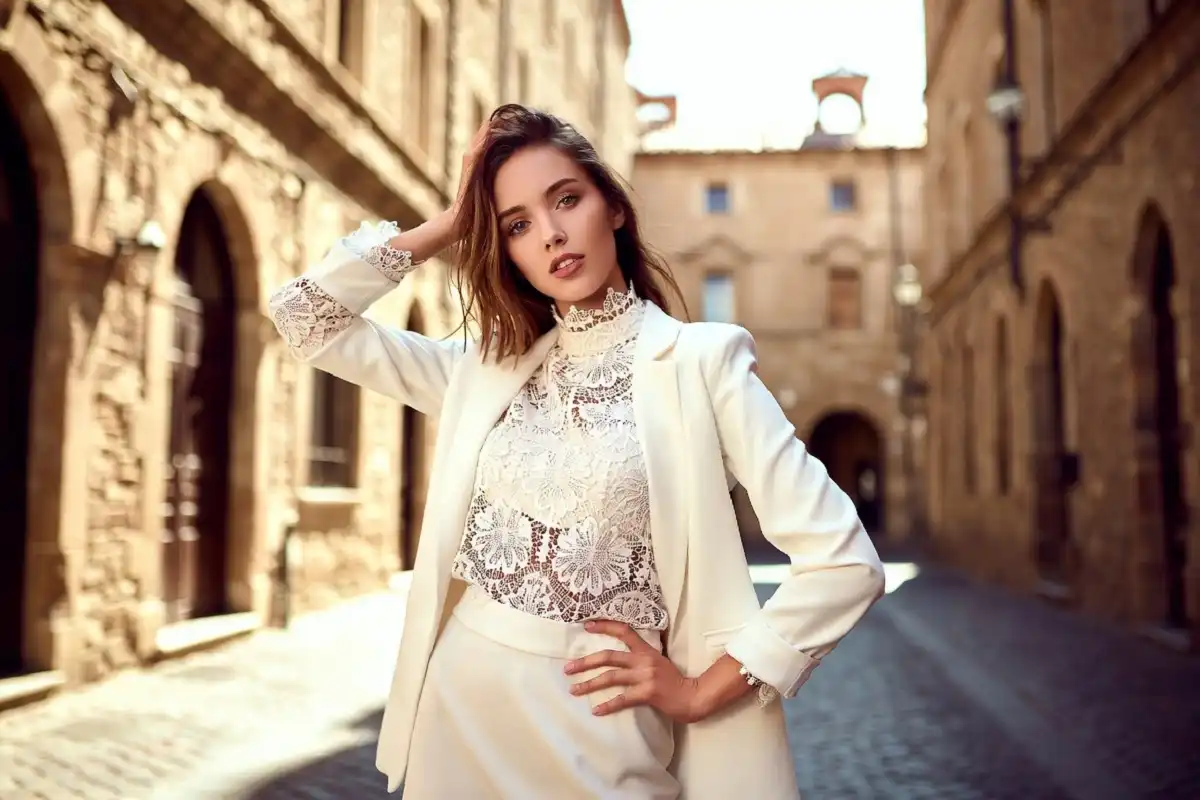
- ✨ Add lace details to a blouse or dress
- 🎀 Wear vintage-inspired accessories like brooches and gloves
- 🧥 Try a structured coat with a tailored fit
- 👗 Choose flowy maxi skirts with high waists
- 🎩 Pair a fedora or wide-brim hat with classic pieces
For everyday inspiration that blends classic style with budget-friendly choices, browse this frugal male fashion guide.
FAQs About 1800s Fashion
What is 1800s fashion known for?
1800s fashion is known for its dramatic transitions between eras—from soft Regency gowns to bold Victorian bustles. It’s also famous for shaping modern men’s suits and structured tailoring.
What did women wear in the 1800s?
Women’s 1800s fashion included empire-waist gowns, full crinoline dresses, hoop skirts, and bustle gowns, depending on the decade. Bonnets, gloves, and parasols were daily must-haves.
What did men wear in the 1800s?
Men wore tailcoats, frock coats, three-piece suits, top hats, and polished boots. By late 1800s fashion, the modern men’s suit had clearly emerged.
How did 1800s fashion change over time?
Each era had a unique silhouette—Regency was soft and flowing, Victorian was structured and modest, and Late Victorian was bold and tailored. Fabric, dye, and sewing technology improved drastically during the century.
Is 1800s fashion still popular today?
Yes! Period dramas, vintage weddings, and modern designers continue to draw from 1800s fashion. Lace, corsets, and tailored coats regularly reappear on runways.
How can I add 1800s fashion to modern outfits?
Try lace tops, structured blazers, empire-waist dresses, vintage accessories, and elegant hats. Pair them with modern essentials for a stylish, time-blended look.
Conclusion: The Lasting Power of 1800s Fashion
From flowing Regency gowns to bold Victorian bustles, 1800s fashion wasn’t just clothing—it was storytelling stitched into fabric. The century shaped how we think about elegance, tailoring, and personal style today.
Whether you’re a history lover, a costume designer, or simply someone seeking timeless wardrobe inspiration, the 19th century has something to offer. With its mix of romance, structure, and innovation, 1800s fashion continues to inspire modern wardrobes more than 100 years later.
👉 Ready to bring vintage elegance into your modern style? Pick one piece—a lace blouse, a structured blazer, or a classic hat—and let the timeless beauty of 1800s fashion shine in your everyday outfits. Bookmark this guide and share it with anyone who appreciates fashion that truly stands the test of time!