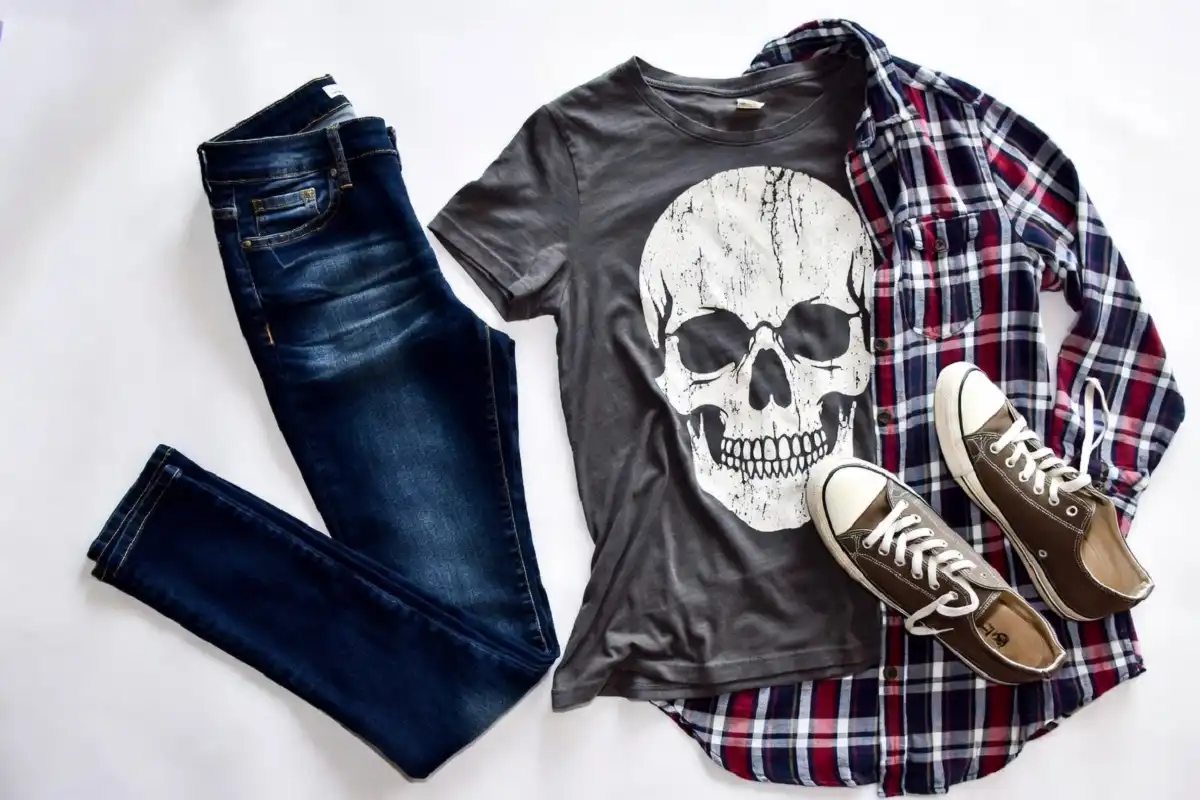
Introduction
Every decade has a fashion identity, and 2010 fashion sits at a particularly interesting crossroads. It was the year when the late 2000s aesthetic was fading out while a fresh wave of trends was beginning to take hold. Social media was becoming a real force in how people discovered and shared style. Celebrity influence was at a peak. What people wore reflected both cultural optimism and a growing desire for individuality. This guide takes a clear-eyed look at what made 2010 fashion distinctive, broadly influential, and still relevant to how people dress today.
The Cultural Context Behind 2010 Fashion
Fashion never exists in a vacuum. The styles that defined 2010 fashion were shaped by a specific cultural moment that combined the rise of digital media, a post-recession shift in spending habits, and a growing appetite for both comfort and self-expression.
Fast fashion was accelerating rapidly, making trend-driven clothing more accessible than ever before. Music, television, and early social platforms all influenced what people wanted to wear. Style was becoming increasingly democratized, meaning you no longer needed to follow traditional fashion gatekeepers to build a look you felt confident in.
This democratization of style is a thread that runs through many fashion eras. Looking back at how previous decades established their own visual language, as explored in this guide to iconic 1800s styles that shaped history, helps illustrate just how much cultural forces have always driven what we choose to wear.
2010 fashion was also shaped by an early influencer culture that predated the term itself. Bloggers and style personalities were sharing outfits online in ways that fed directly into what landed on high street shelves within weeks. This feedback loop between street style and retail was faster and more visible than anything that had come before it.
Key Women’s Trends in 2010 Fashion
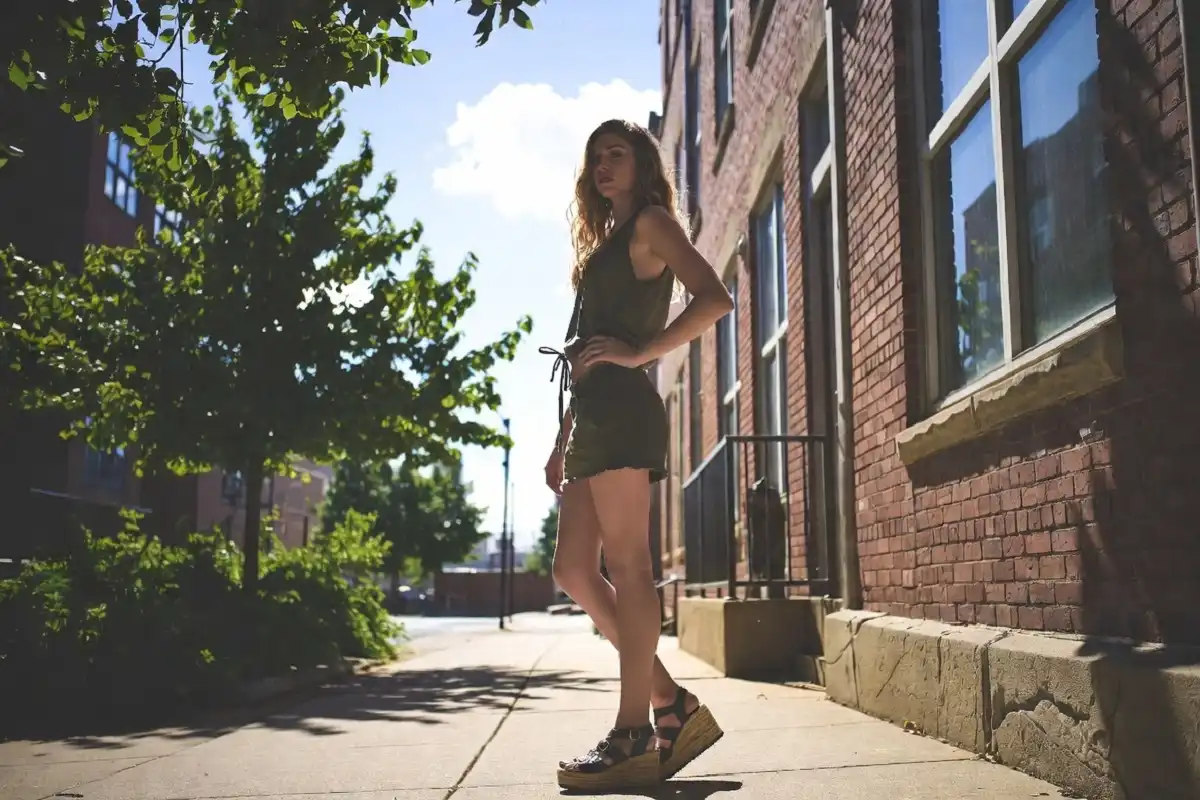
Women’s 2010 fashion was defined by a combination of body-conscious silhouettes, playful prints, and a growing interest in mixing casual with dressed-up elements.
Skinny Jeans and Jeggings
Skinny jeans were arguably the dominant bottom of 2010 fashion. Worn in every wash from light denim to dark indigo to solid black, they were paired with almost everything. Jeggings, the jean-legging hybrid, emerged as a comfort-driven alternative that kept the slim silhouette while adding stretch. Both styles were typically worn with longer tops, tunics, or layered cardigans that created a balanced, relaxed proportion.
High-Waisted Bottoms
High-waisted shorts and skirts were making a strong comeback in 2010 fashion, borrowing a silhouette from earlier decades and updating it with contemporary fabrics and prints. Paired with tucked-in blouses or cropped tops, the high-waisted look created a flattering, defined waistline that felt both retro and current.
Flowy Maxi Dresses and Skirts
Maxi dresses and skirts offered a bohemian counterpoint to the tight silhouettes dominating 2010 fashion elsewhere. Floral prints, earthy tones, and lightweight fabrics made these pieces popular for both casual daywear and relaxed evening dressing. They conveyed a free-spirited ease that contrasted nicely with the more structured looks of the same period.
Layering and Texture Mixing
Layering was a defining styling technique in 2010 fashion. Sheer blouses over camisoles, plaid shirts tied at the waist over plain tees, and cardigans worn over dresses all created dimension and visual interest. Mixing textures, such as pairing soft knits with denim or lace with leather, added personality to outfits that might otherwise feel simple.
Key Men’s Trends in 2010 Fashion
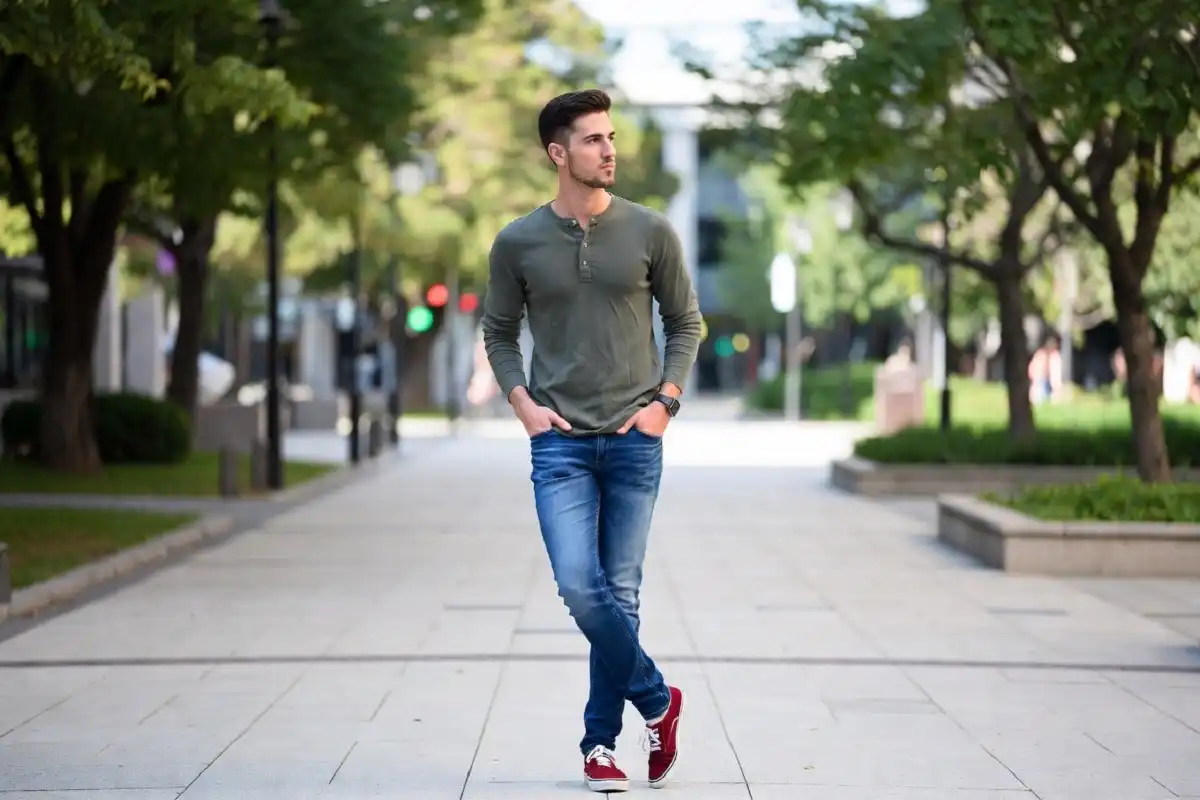
Men’s 2010 fashion was shifting noticeably toward slimmer, more tailored silhouettes. The baggy aesthetic of the early 2000s was losing ground to a cleaner, more fitted approach across both casual and formal dressing.
Slim Fit Everything
Slim fit jeans, slim fit chinos, and fitted shirts all gained major ground in 2010 fashion. The slim silhouette read as modern and put-together without being overly formal. This shift made it easier for men to dress in a way that felt current without significant effort or major wardrobe investment.
Plaid and Flannel Shirts
Plaid and flannel shirts were everywhere in 2010 fashion, worn open over tees, buttoned up casually, or layered under jackets. This look carried echoes of the 90s grunge aesthetic but was softened and mainstreamed for a broader audience. The plaid shirt became a wardrobe staple that bridged casual and smart casual effortlessly throughout the year.
Chinos and Colored Pants
Chinos in khaki, olive, burgundy, and navy offered an alternative to denim in 2010 fashion that felt slightly more elevated without crossing into formal territory. Colored pants more broadly became a way for men to add personality to outfits built on otherwise neutral pieces, giving everyday casual dressing a more considered edge.
Canvas Sneakers and Casual Footwear
Clean canvas sneakers, particularly low-top styles, were the go-to footwear for casual men’s dressing in 2010 fashion. Simple, affordable, and endlessly versatile, they complemented slim jeans and chinos equally well. The growing interest in footwear as a style statement during this period laid early groundwork for the broader sneaker culture that followed, which you can explore in this complete fashion sneakers style guide.
Statement Accessories in 2010 Fashion
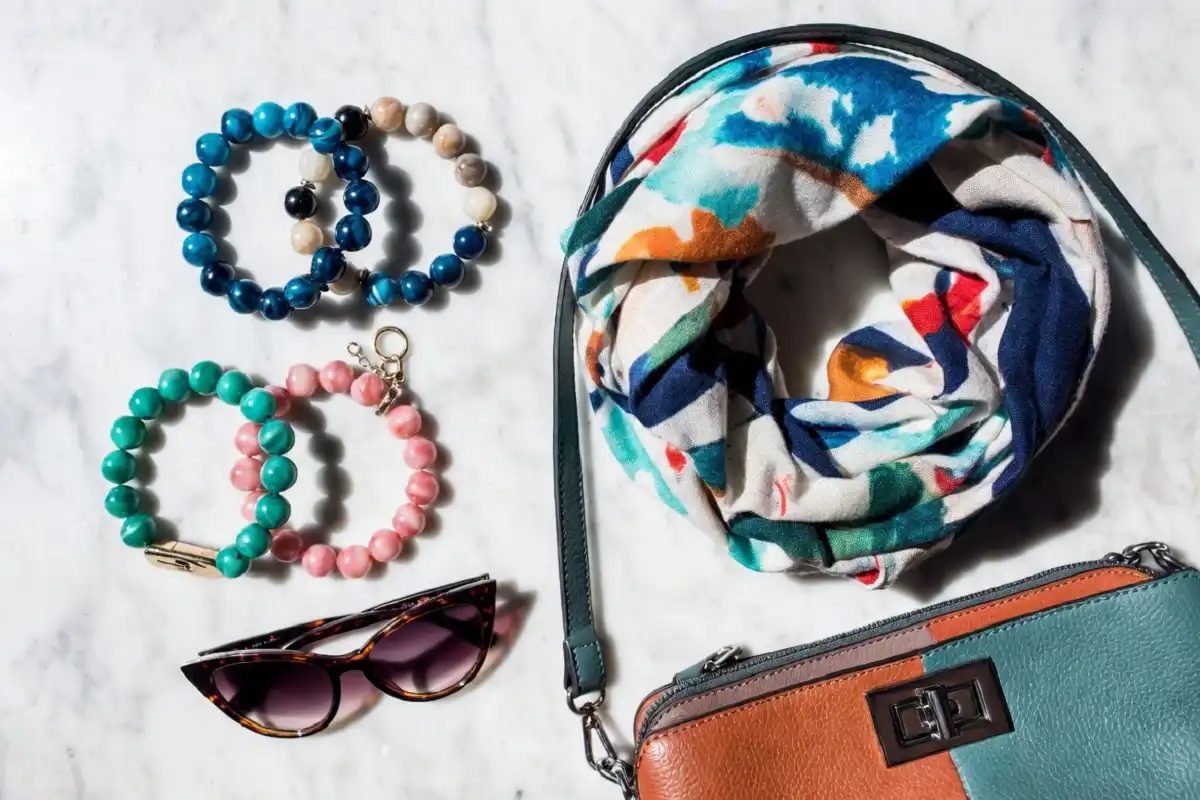
Accessories in 2010 fashion were bold, layered, and intentional. They were used to inject personality into even the simplest outfits and served as one of the clearest markers of the era’s overall aesthetic.
Chunky and Layered Jewelry
Oversized necklaces, stacked bangles, and layered bracelets were popular across age groups in 2010 fashion. Mixing metals was widely accepted, and combining fine and costume jewelry created an eclectic, personalized result. Statement earrings paired with minimal necklaces allowed for flexibility in how boldness was expressed from one outfit to the next.
Infinity Scarves and Printed Wraps
The infinity scarf became a signature accessory of 2010 fashion. Available in an enormous range of fabrics and prints, it functioned as both a practical layering piece and a style anchor. Printed wraps and oversized shawls served a similar purpose, adding color and texture to monochromatic or neutral outfits throughout every season.
Oversized Sunglasses and Cat-Eye Frames
Oversized sunglasses with rounded or aviator shapes remained dominant from the late 2000s into 2010 fashion. Cat-eye frames were also gaining momentum, adding a retro glamour influence to everyday casual dressing. Both styles continue to resurface in contemporary fashion, reflecting the enduring appeal of bold eyewear as a personal style statement.
Structured Bags and Totes
Structured handbags, particularly in neutral colors like camel, black, and tan, were widely carried across 2010 fashion. Large tote bags also thrived during this period, practical enough for daily use but styled thoughtfully enough to complement polished outfits. Clean hardware details and defined lines gave these bags a timeless quality that extended their relevance well beyond a single season.
How 2010 Fashion Influenced What Came After
The styles of 2010 fashion did not simply fade when the calendar moved forward. Many of the trends from that year seeded aesthetic directions that continued to develop throughout the decade and beyond.
Slim silhouettes paved the way for the tailored menswear revival. The high-waisted bottom became a permanent fixture rather than a temporary seasonal trend. Layering as a styling approach never truly left mainstream dressing. And the mainstream acceptance of sneakers as genuine fashion items opened a cultural door that has only widened in the years since.
Today’s younger dressers are actively revisiting early 2010 fashion references, blending them with contemporary elements to create something that feels new but carries familiar visual cues. The Gen Z fashion style guide explores exactly how this generational reinterpretation works and why nostalgia continues to drive so many modern style choices across every category.
According to Vogue’s fashion archive, early 2010 fashion silhouettes have been revisited consistently by designers looking to tap into a collective nostalgia for a period that now feels both recent and distinctly of its time.
What 2010 Fashion Looks Like Today
Some elements of 2010 fashion have aged more gracefully than others. Skinny jeans, for example, have faced competition from wider leg silhouettes, though they remain in active circulation. High-waisted bottoms are arguably more prominent now than they were at the height of 2010 fashion itself. Plaid shirts never truly went away from mainstream wardrobes.
The key difference between wearing a 2010 fashion-inspired look today and simply appearing as though you have not updated your wardrobe is intention. Revisiting archival styles with awareness of how they fit into the current landscape is the foundation of strong nostalgic dressing.
Seeing how other eras are reinterpreted on the runway, as covered in the Milan Fashion Week complete style guide, shows how designers consistently draw on decade-specific references to build contemporary collections that feel both grounded and forward-looking.
The Business of Fashion’s trend analysis regularly tracks how archival references move from runway to retail, offering a reliable lens for understanding why certain eras resurface with such consistency and force.
Frequently Asked Questions
What defined 2010 fashion overall?
It was characterized by a shift toward slimmer silhouettes, accessible layering, bold accessories, and a blend of casual and dressed-up elements that reflected both the cultural optimism and the digital media influence of the time.
Are any 2010 fashion trends coming back in 2026?
Yes, several are. High-waisted bottoms, layered jewelry, oversized sunglasses, and canvas sneakers have all seen consistent revivals. Early 2010 fashion nostalgia is actively driving interest in these styles across multiple age groups right now.
What made 2010 fashion different from the late 2000s?
2010 fashion marked a clear move away from the ultra-low-rise bottoms, heavy embellishment, and logo-heavy pieces that dominated the mid-to-late 2000s. It introduced cleaner lines, higher waistbands, and a greater emphasis on mixing casual and elevated pieces in the same outfit.
How did social media influence 2010 fashion?
Early social platforms accelerated trend cycles and democratized style inspiration, making it easier for everyday people to shape what became popular. This shift fundamentally changed the speed and direction of how 2010 fashion trends spread and were adopted globally.
What footwear was most popular in 2010 fashion?
For women, wedge sandals, ankle boots, and ballet flats were widely worn across casual and dressed settings. For men, canvas sneakers and clean leather shoes dominated casual and smart casual dressing throughout the year.
Can 2010 fashion elements work in a modern wardrobe?
Yes, absolutely. Choosing specific pieces rather than recreating entire looks is the approach that works best. A high-waisted skirt, a layered jewelry combination, or a well-fitted plaid shirt all read as stylish today when paired thoughtfully with contemporary items.
Conclusion
The 2010 fashion era captured a cultural moment full of energy, transition, and creative experimentation. From skinny jeans and maxi dresses to slim chinos and plaid shirts, the looks of that year reflected a generation finding its visual voice across new digital platforms and physical spaces.