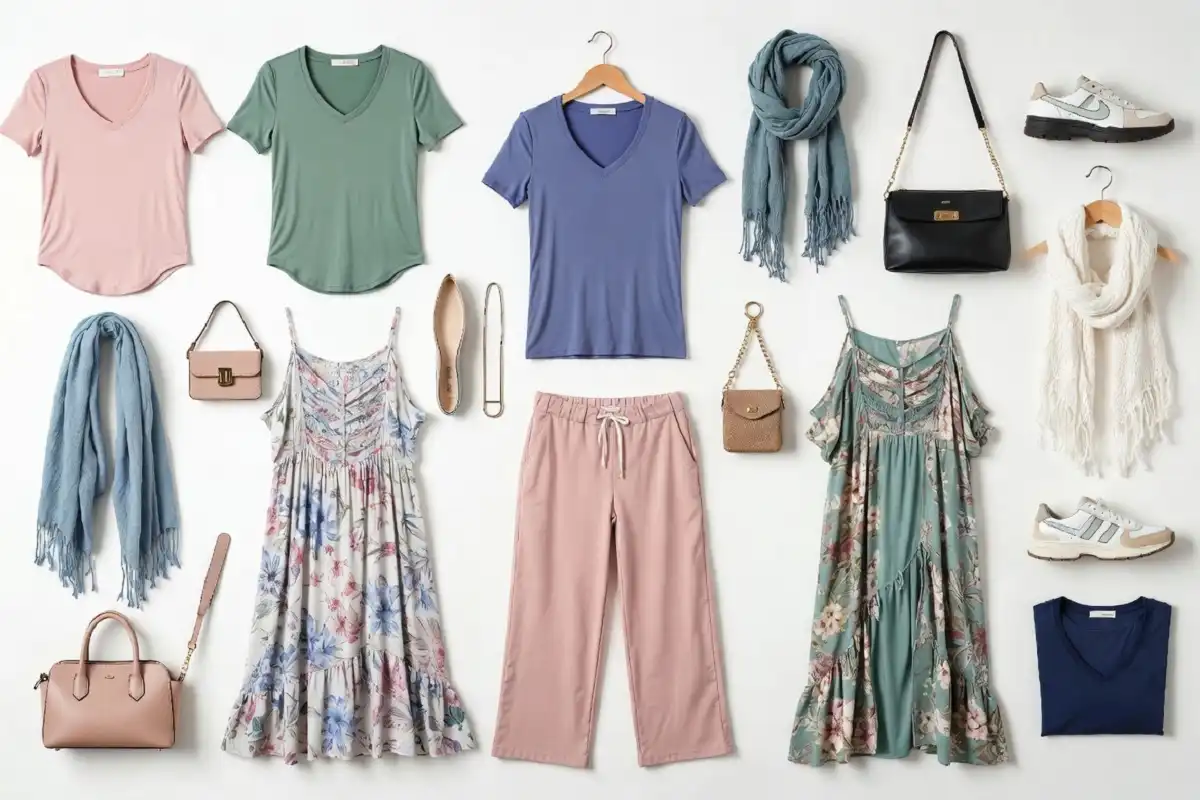
Cider is one of the newer names in affordable online fashion, and it has built a fast following among style-conscious shoppers. But with its low prices and trend-driven designs, many people are asking the same question: is Cider fast fashion? The answer is not as simple as yes or no. This article looks at how Cider operates, what sets it apart, where it falls short, and what you should consider before adding it to your regular shopping rotation.
What Is Cider and How Did It Start?
Cider is a direct-to-consumer fashion brand that launched in 2020. It sells women’s clothing through its app and website, targeting a younger, trend-aware audience. The brand grew quickly on social media and became known for its aesthetic-driven collections that feel curated rather than mass-produced.
Unlike older fast fashion giants that rely on physical retail stores, Cider operates entirely online. This model allows it to move quickly, test new styles, and reduce some overhead costs that traditional retailers carry.
How Cider Operates: The Production Model
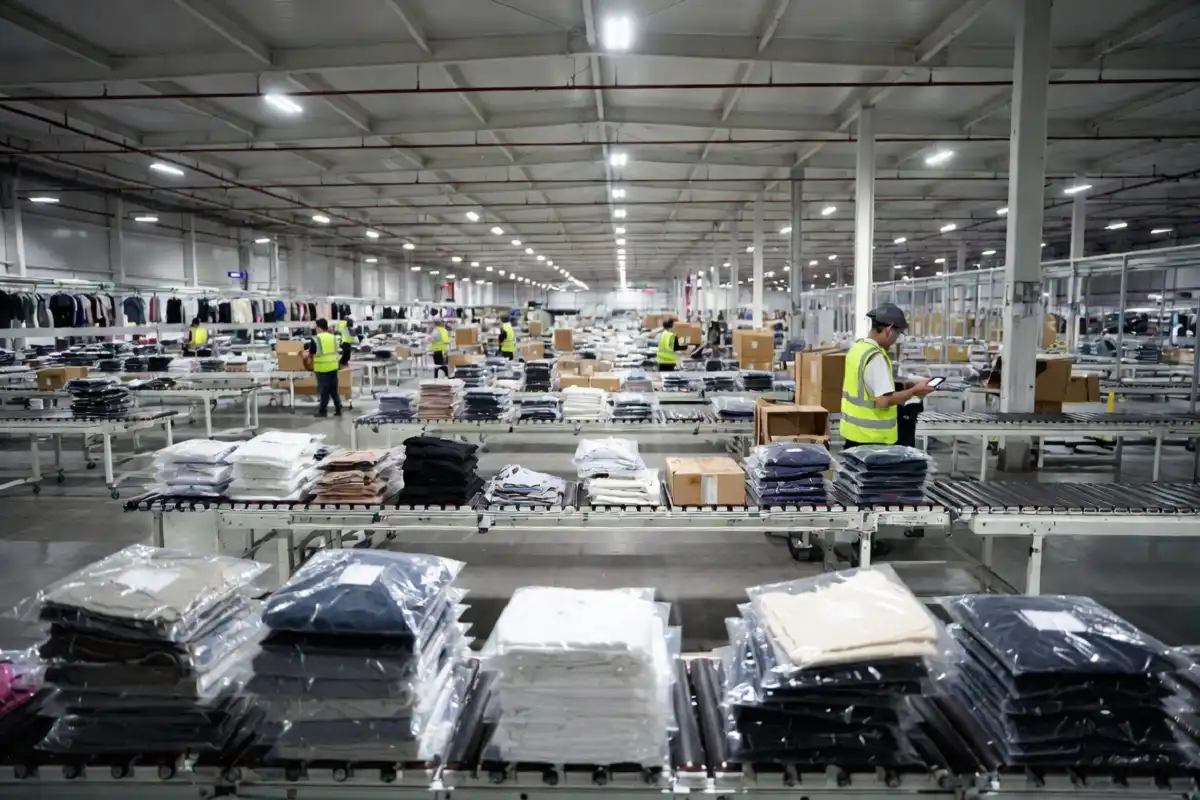
Cider uses a demand-based production model, which means it tries to produce items based on actual customer interest rather than manufacturing in bulk ahead of demand. This is a key difference from the typical fast fashion approach, where brands overproduce items and then discard or discount the excess.
Here is how that process generally works:
- Shoppers browse and wishlist items on the Cider platform
- Popular styles are produced in limited quantities first
- Reorders are placed based on real demand signals
- This reduces overproduction and potential waste
This model is more common among newer online brands and is sometimes called “on-demand” or “slow-batch” fashion. It is not perfect, but it does challenge the traditional fast fashion production cycle.
Is Cider Considered Fast Fashion?
Yes, many industry observers place Cider in the fast fashion category, even with its on-demand approach. Here is why that label still applies in several ways:
Trend turnover is high. Cider regularly releases new collections, often tied to seasonal trends and viral aesthetics. This encourages frequent purchasing, which is a core feature of the fast fashion business model.
Prices are very low. Affordable pricing is a major draw, but it raises questions about how much workers and materials are truly valued in the supply chain.
Manufacturing transparency is limited. Like many online fashion brands, Cider does not publish detailed information about its factories, wages, or material sourcing. Without this data, it is difficult for shoppers to verify ethical claims.
Synthetic materials dominate. Many Cider pieces are made from polyester and similar synthetic fabrics, which are petroleum-based and not biodegradable.
If you want to understand how clothing brands fit into the broader landscape of modern style choices, this guide on fashion trends and your complete style guide offers helpful context on what to look for.
Where Cider Differs From Traditional Fast Fashion
To be fair, Cider does make some efforts that separate it from brands like Shein or older fast fashion retailers.
Smaller batch production. By producing in smaller quantities and reordering based on demand, Cider does reduce some waste compared to bulk-production brands.
Community-driven design. Cider has involved its community in product feedback and design choices, which can lead to items people actually want rather than trend guesses that miss the mark.
Slower rollout of some collections. Certain Cider ranges are released in limited drops rather than endless restocking cycles.
These differences matter, but they do not fully remove Cider from the fast fashion conversation. The brand still encourages a high volume of purchasing and has not met independent sustainability certifications that would verify its claims.
Sustainability Claims: What Does Cider Say?

Cider has made public statements about wanting to reduce waste and operate more responsibly. It has pointed to its on-demand model as a sustainability feature and has released some items using recycled materials.
However, independent verification matters. A brand describing itself as sustainable is not the same as a brand that has been audited and certified by a recognized body. Shoppers interested in verified sustainable fashion can look for certifications like GOTS (Global Organic Textile Standard) or Fair Trade when evaluating any clothing brand.
The Remake Fashion Accountability Report is a useful external resource for comparing how brands score on worker rights and environmental practices.
For shoppers who care about both style and ethics, learning more about how different fashion categories operate is worthwhile. A look at twee fashion and its slow-fashion leanings shows how some aesthetic movements naturally encourage buying less and wearing more.
The Environmental Impact of Buying From Cider
The clothing industry as a whole has a significant environmental footprint, and online brands add shipping and packaging to that picture. When evaluating Cider specifically:
- Shipping individual orders internationally creates a carbon footprint
- Synthetic fabrics shed microplastics when washed
- Returns in online fashion often result in items going to landfill rather than being reshelved
- Trend-driven shopping encourages buying items that may only be worn a few times
None of this is unique to Cider, but it is worth factoring into your purchasing decisions.
According to the UN Environment Programme, the fashion industry is responsible for a significant share of global water use and carbon emissions, making it one of the more resource-intensive industries worldwide.
How to Shop Cider More Mindfully
If you enjoy Cider’s aesthetic but want to shop more thoughtfully, a few habits can help:
- Buy intentionally. Choose pieces you plan to wear repeatedly rather than impulse purchases tied to a single trend.
- Read material labels. Look for natural fibers like cotton, linen, or Tencel when available.
- Avoid over-ordering. Returns create waste, so order only what you are confident about.
- Care for your clothes. Washing in cold water and air drying extends garment life significantly.
- Mix with secondhand pieces. Pairing Cider buys with thrifted or vintage items balances your wardrobe’s footprint.
For readers building a more thoughtful wardrobe overall, browsing style guides across different fashion categories can offer broader inspiration beyond any single brand.
How Cider Compares to Other Affordable Fashion Brands
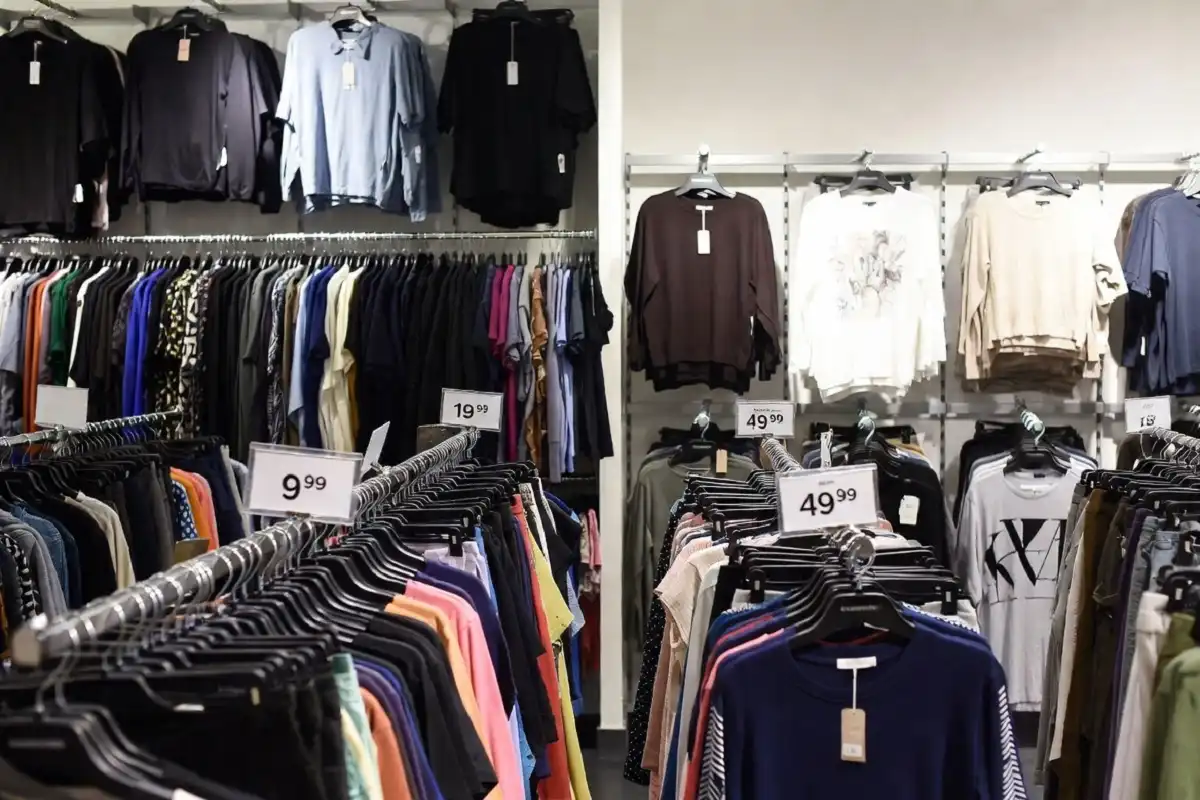
Cider sits somewhere between traditional fast fashion and newer conscious brands. It is more transparent than some competitors but less verified than brands with formal sustainability credentials.
Compared to Shein, Cider has a smaller product catalogue and a more curated aesthetic. Compared to brands like Everlane or Pact, it offers less supply chain transparency and fewer certified sustainable materials.
If you are exploring affordable fashion options with a strong aesthetic identity, it helps to understand the full range of what is out there. A breakdown of popular dress styles and how to style them can give you a sense of how other budget-friendly brands position themselves.
FAQ
Is Cider ethical?
Cider has not been independently verified as an ethical brand. It makes positive claims about its production model, but without third-party audits covering factory conditions, wages, and material sourcing, those claims are difficult to confirm.
Is Cider better than Shein?
In some ways, yes. Cider produces in smaller batches and has a more selective product range than Shein. However, both brands lack the level of supply chain transparency that fully ethical fashion requires.
Does Cider use sustainable materials?
Cider uses some recycled materials in select items, but the majority of its clothing uses conventional synthetic fabrics. It does not hold major independent sustainability certifications at this time.
Is Cider good quality for the price?
Quality is mixed, as is common with affordable online fashion. Some shoppers report being happy with their purchases, while others note that fabric weight and construction vary between items. Reading reviews for specific products is recommended before buying.
Can I shop Cider without contributing to fast fashion problems?
You can reduce your impact by buying selectively, choosing items you will wear long-term, and avoiding trend-chasing purchases. No brand is perfect, but mindful habits make a real difference.
Conclusion
Cider sits in a complicated space in the fashion world. It is not the worst offender in the fast fashion category, thanks to its on-demand model and curated approach. But it also has not earned the label of a truly sustainable or ethical brand. If you shop there, doing so with intention, buying less but better, and mixing in secondhand pieces will serve your wardrobe and the planet better. Want to build a more conscious wardrobe without giving up personal style? Start by exploring what different fashion aesthetics and style guides can teach you about lasting style over fleeting trends.