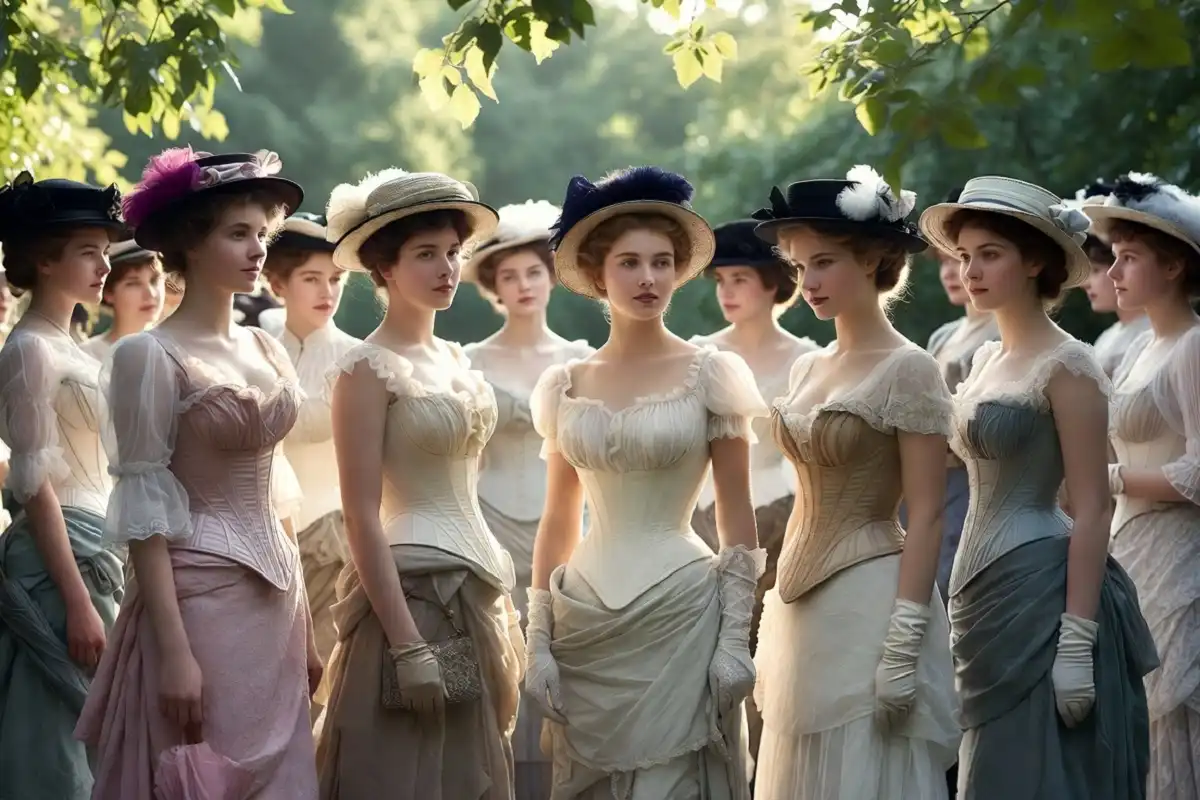
The 1900s were a turning point in fashion history. This decade marked the last golden age of elaborate, handcrafted clothing before World War I changed everything. Men and women dressed with careful attention to detail, social status, and occasion. The Edwardian era, named after King Edward VII, brought a softer, more romantic silhouette compared to the Victorian period before it. Understanding 1900s fashion gives us a window into how people lived, what they valued, and how clothing began its slow journey toward the modern styles we wear today.
The Edwardian Silhouette: What Defined 1900s Women’s Fashion
The most recognizable shape of 1900s women’s fashion is the S-curve silhouette. This look was created by a specialized corset that pushed the chest forward and the hips backward, giving women an hourglass and slightly forward-leaning posture. It was considered the height of elegance at the time.
Skirts were long, often brushing the floor, and flared out at the hem to create a bell shape. The waist was cinched tightly, and sleeves were full at the top before tapering down to the wrist. This overall effect was one of delicate femininity and careful structure.
Key Garments in Women’s 1900s Fashion
Women’s wardrobes in the 1900s were built around several essential pieces:
- The corset: The foundation of every outfit, worn under the clothing to shape the torso
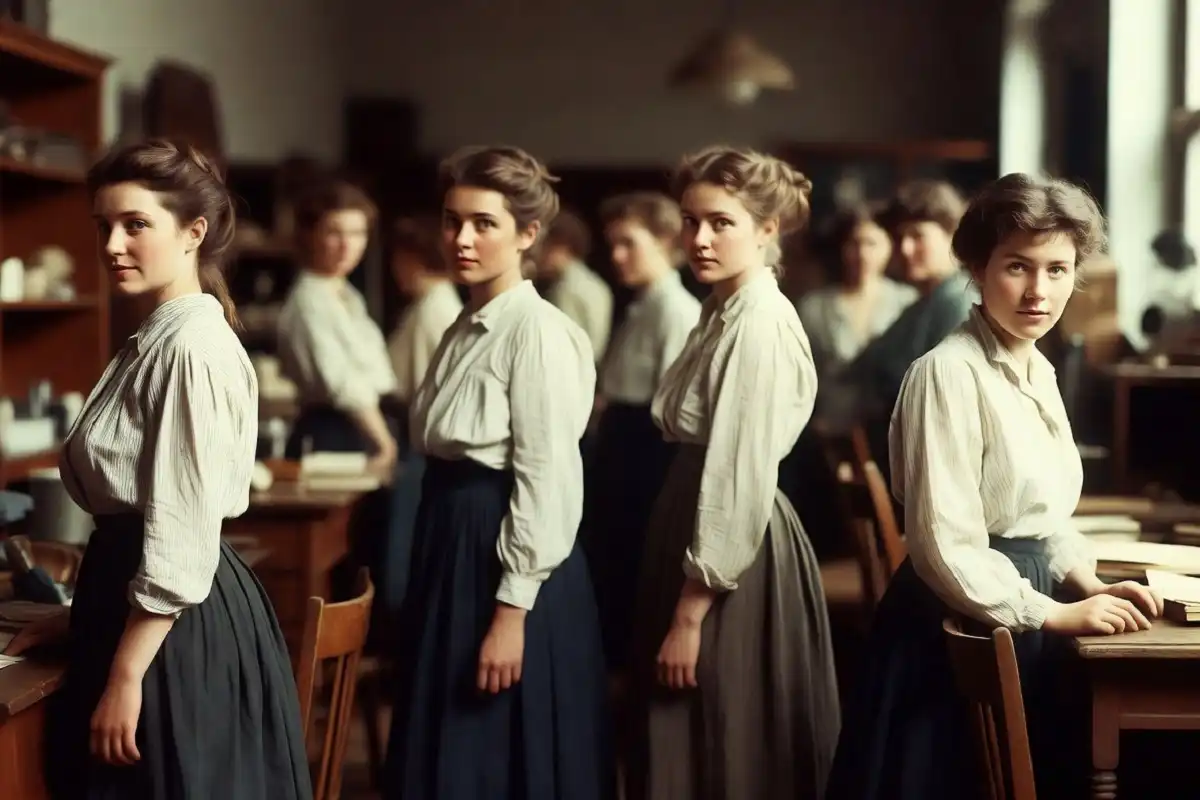
- The shirtwaist blouse: A tailored blouse that became a symbol of the working woman
- The walking skirt: Slightly shorter than formal skirts, worn for outdoor activities
- The tea gown: A looser, more relaxed dress worn at home for informal afternoon visits
- Wide-brimmed hats: Decorated with flowers, ribbons, feathers, and even whole birds
The Gibson Girl, an illustration style created by artist Charles Dana Gibson, became the visual ideal of womanhood in this era. She was portrayed as tall, athletic yet feminine, and confident. This image had a real influence on how women dressed and carried themselves throughout the decade.
Men’s Fashion in the 1900s
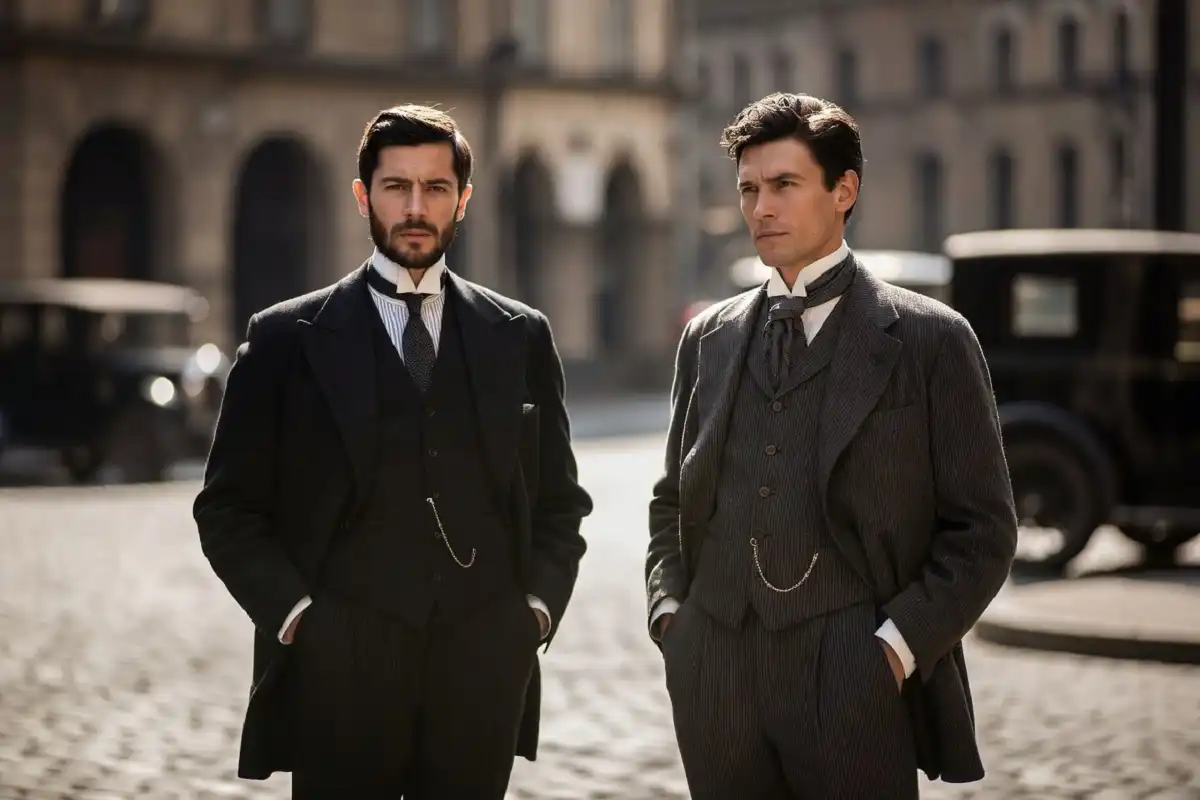
Men’s clothing in the 1900s was equally structured and formal by today’s standards. Suits were the standard for most occasions, and a man’s clothing spoke directly to his class and profession.
The frock coat, a long formal coat that reached the knees, was still popular for business and formal events early in the decade. However, the lounge suit, a shorter and more practical option, was beginning to take over as the decade progressed.
Men’s Everyday and Formal Wear
For everyday wear, men typically wore:
- Three-piece suits with matching trousers, waistcoat, and jacket
- Stiff collars and cravats for a polished, put-together look
- Bowler hats or top hats depending on the occasion and social class
- Oxford shoes or boots in leather, always well-polished
Workwear for working-class men was simpler, often consisting of trousers, a work shirt, suspenders, and a flat cap. This separation between upper-class and working-class dress was still very visible in the 1900s, though it would begin to blur in the following decades.
Fabrics and Colors Popular in 1900s Fashion
The fabrics used in 1900s clothing were rich and varied for those who could afford them. Silk, satin, velvet, and fine wool were used for upper-class clothing. Cotton and linen were more common in everyday and working-class garments.
Colors in the early 1900s were often muted and earthy by modern standards. Cream, ivory, pale blue, rose, and lavender were popular for women’s daywear. Evening gowns came in deeper tones like burgundy, emerald, and midnight blue. Men generally wore darker colors such as charcoal, navy, and brown.
Lace was a major decorative element, used on collars, cuffs, and bodices. Embroidery and ribbon trim added detail to blouses and skirts. These finishing touches required significant labor and expense, making them markers of wealth and status.
How 1900s Fashion Reflects Social Change
The 1900s were not just about beautiful clothing. Fashion was also a reflection of the social changes happening at the time. Women were beginning to enter the workforce in greater numbers, and clothing adapted to meet this need.
The practical shirtwaist blouse became a symbol of the modern working woman. It was easy to wear, washable, and could be paired with a simple skirt for an office-appropriate outfit. This was a significant shift away from the elaborate, restrictive fashions of the Victorian era.
Sport and leisure also began to influence clothing. Bicycling had become popular, and women needed clothes they could actually move in. Divided skirts and early forms of what we might call athletic wear began to appear. This was one of the first signs that fashion was slowly moving toward greater practicality and freedom.
If you enjoy exploring how past decades influence today’s looks, you might find it interesting to read about the iconic trends of the 2010s and how history keeps repeating itself in style.
Accessories and Beauty Standards in the Edwardian Era
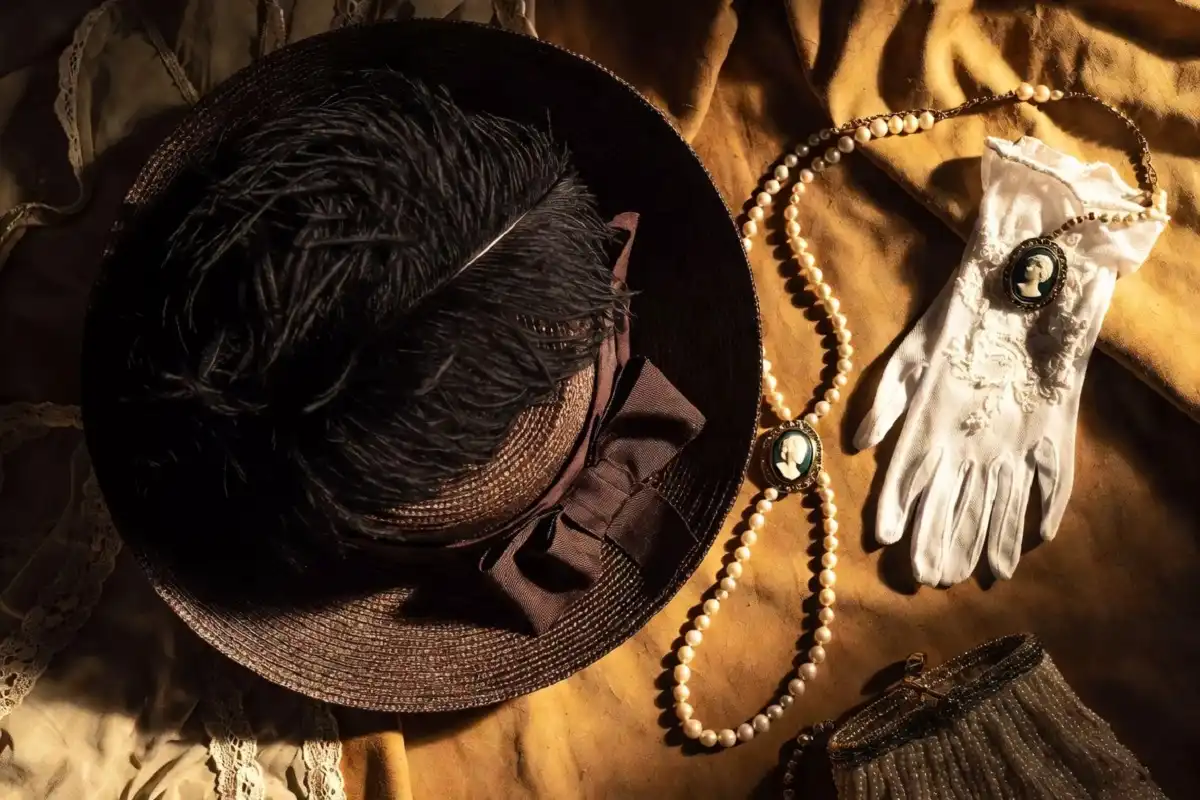
No 1900s outfit was complete without the right accessories. For women, gloves were essential for any public outing. Long gloves were worn with formal evening wear, while shorter ones suited daytime activities.
Parasols were both a fashion accessory and a practical tool. Fair skin was considered desirable, and women used parasols to shield themselves from the sun. Handbags were small and decorative rather than functional.
Hair was worn up in soft, voluminous styles. The pompadour, a raised front section with hair piled high on the head, was one of the most popular looks of the decade. Women used hairpins, combs, and pads to achieve the full, rounded shapes that were fashionable.
Jewelry in the 1900s leaned toward delicate and refined pieces. Cameos, pearl strings, and fine gold chains were popular. The Art Nouveau movement influenced jewelry design, bringing organic shapes inspired by nature such as flowers, vines, and insects into fashionable accessories.
For an updated perspective on how accessories and full looks come together in modern style, the Milan Fashion Week 2025 style guide offers great context on how runway fashion continues to echo the past.
Children’s Fashion in the 1900s
Children’s clothing in the 1900s was essentially a miniature version of adult clothing. Young girls wore dresses with pinafores, and boys were often dressed in sailor suits or short pants with matching jackets. Children of upper-class families were dressed with great care, as their appearance reflected on the family’s standing.
Younger children of both genders were often dressed in similar styles until around age six or seven, when their clothes began to reflect their gender more clearly. This practice was common across Europe and North America during this era.
The Early Influence of Ready-to-Wear Clothing
One of the most important fashion developments of the 1900s was the growth of ready-to-wear clothing. Department stores began offering garments that were made in standard sizes and available for purchase without the need for a tailor or dressmaker. This made fashionable clothing more accessible to middle-class consumers.
The shirtwaist blouse mentioned earlier was one of the most successfully mass-produced garments of the era. Companies produced them in factories, and women could buy them at affordable prices. This was the beginning of a shift that would eventually lead to the global fashion industry we know today.
According to fashion historians at the Victoria and Albert Museum, the Edwardian period represents a pivotal moment where fashion began to democratize, moving slowly from bespoke tailoring to commercial production.
This shift connects directly to how modern shoppers interact with brands today. Understanding how returns, sizing, and retail policies work is part of the fashion experience, much like it was in the early department store era. If you want to understand modern retail policies better, you can check out this detailed guide to Fashion Nova’s return policy.
How 1900s Fashion Connects to Today’s Style
The influence of 1900s fashion is more visible in today’s clothing than many people realize. High-waisted skirts, lace detailing, puffed sleeves, and structured tailoring have all made comebacks in modern fashion.
The corset, once a symbol of restriction, has been reimagined as an outer garment and fashion statement in recent years. Cottagecore and vintage aesthetics have brought back interest in the soft, romantic silhouettes of the Edwardian era.
Today’s designers regularly look back to this period for inspiration. The emphasis on craftsmanship, fabric quality, and deliberate styling that defined 1900s fashion is something many fashion-forward consumers are seeking again.
If you are curious how younger generations are mixing past and present aesthetics, explore how Gen Z is shaping today’s fashion trends with a fresh approach to vintage inspiration.
You can also explore how footwear choices connect historical aesthetics with modern comfort by reading this complete guide to fashion sneakers in 2026.
The Smithsonian’s fashion history collection is also an excellent resource for seeing original 1900s garments and understanding their construction and context.
FAQ Section
What did women wear in the 1900s?
Women in the 1900s wore long skirts, corseted bodices, and shirtwaist blouses as part of their everyday wardrobe. Formal occasions called for elaborate gowns with lace, embroidery, and rich fabrics like silk and velvet. Accessories including gloves, wide-brimmed hats, and parasols were considered essential for any public appearance.
What is the Edwardian fashion era?
The Edwardian era refers to the period roughly from 1901 to 1910, named after King Edward VII of Britain. It is characterized by a romantic, highly decorative approach to clothing, including the distinctive S-curve silhouette for women and formal tailored suits for men. It marked the transition between the heavily structured Victorian era and the more relaxed styles that would emerge after World War I.
How did 1900s fashion differ from Victorian fashion?
The 1900s brought a softer and slightly more relaxed silhouette compared to the very rigid and heavily ornamented Victorian style. While corsets were still worn, the shape they created was different, moving away from the sharp hourglass toward the forward-leaning S-curve. Necklines were slightly more open, and the overall aesthetic was lighter and more romantic in tone.
Did the working class dress differently in the 1900s?
Working-class people in the 1900s wore simpler, more practical clothing out of necessity. Women wore plain cotton blouses and darker skirts that were easier to clean. Men wore work trousers, shirts, and flat caps rather than tailored suits. The gap between upper-class and working-class clothing was very visible in this era, though the rise of ready-to-wear helped narrow that gap over time.
Are 1900s fashion trends coming back?
Several elements of 1900s fashion have returned in recent years. Puffed sleeves, high-waisted silhouettes, lace detailing, and corset-style tops have all appeared in contemporary collections. The broader vintage and cottagecore trends have brought renewed interest in the delicate, romantic aesthetic of the Edwardian period.
Conclusion
1900s fashion was a study in elegance, structure, and social identity. From the S-curve corset to the tailored lounge suit, every garment told a story about the person wearing it and the world they lived in. This era also planted the seeds of modern fashion by introducing ready-to-wear clothing and making style more accessible to everyday people.