Female 90s fashion had a personality all its own. It mixed rebellion with glamour, comfort with edge, and simplicity with bold statements. From grunge-soaked flannel to sleek minimalism, the decade gave women a wide range of styles to claim as their own. Today, those looks are cycling back into everyday wardrobes. Whether you lived through the era or are discovering it for the first time, this guide covers everything worth knowing about the fashion that shaped a generation.
What Made Female 90s Fashion So Influential
The 1990s were a turning point for women’s fashion. The decade moved away from the power-shouldered excess of the 80s and shifted toward something more personal and grounded. Women were dressing for themselves, and that freedom showed in the variety of styles that emerged.
Pop culture played a big role. Television shows, music videos, and films put women’s fashion front and center. The styles worn by characters in sitcoms and teen dramas became instant trends. Meanwhile, music shaped an entirely different kind of wardrobe, giving rise to looks rooted in attitude and identity.
The result was a decade where no single style dominated. Instead, several distinct aesthetics ran parallel to one another, and women moved fluidly between them.
The Core Aesthetics of Female 90s Fashion
Grunge: The Anti-Fashion Statement
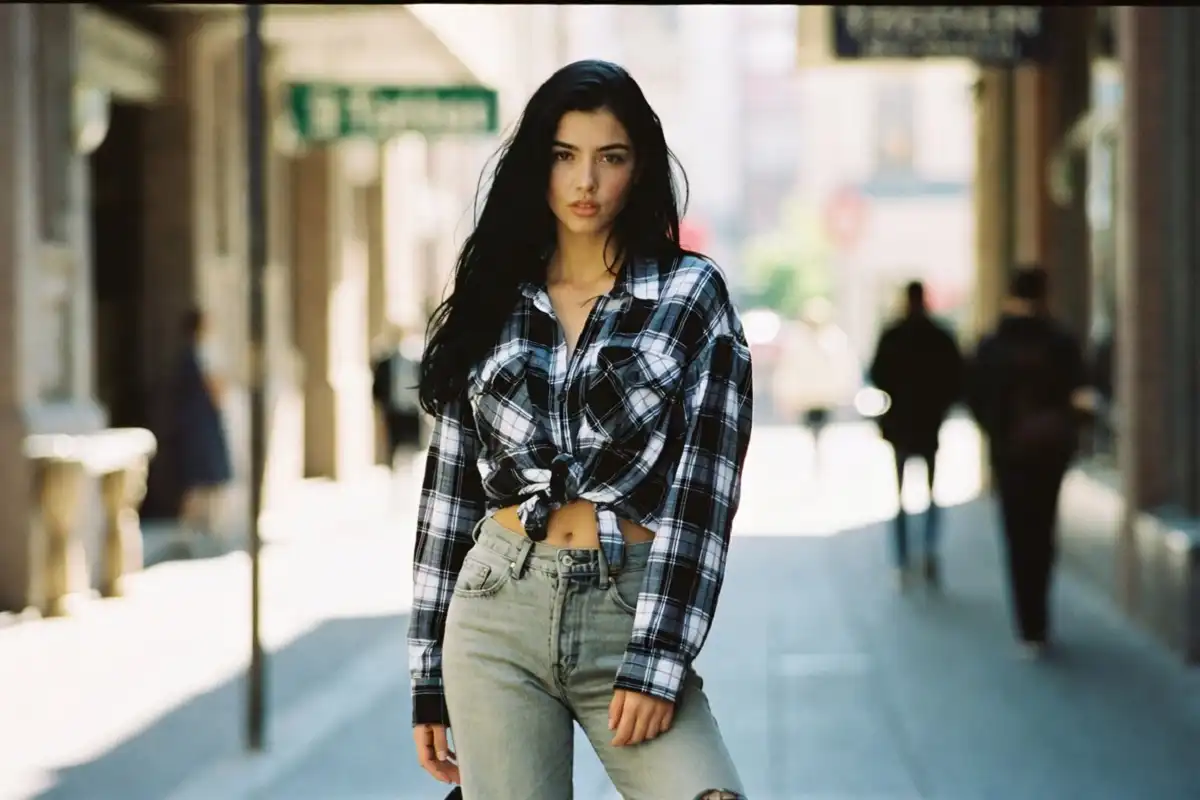
Grunge was one of the most recognizable looks of the decade. It borrowed heavily from alternative music culture and rejected the polished styles of the previous era. The look was layered, intentionally undone, and comfortable.
Key pieces included:
- Oversized flannel shirts worn open or tied at the waist
- Ripped or distressed denim in high-waisted cuts
- Thermal undershirts in neutral or muted tones
- Combat boots and chunky lace-up footwear
- Band tees, often a size or two too big
Grunge was as much a mindset as a wardrobe. It said something about not following rules, and that message resonated deeply with younger women at the time.
Minimalism Done Right
While grunge was loud in its quietness, minimalist fashion was simply understated. Clean lines, neutral palettes, and well-cut basics defined this end of the spectrum. It was the aesthetic of high fashion filtered into everyday dressing.
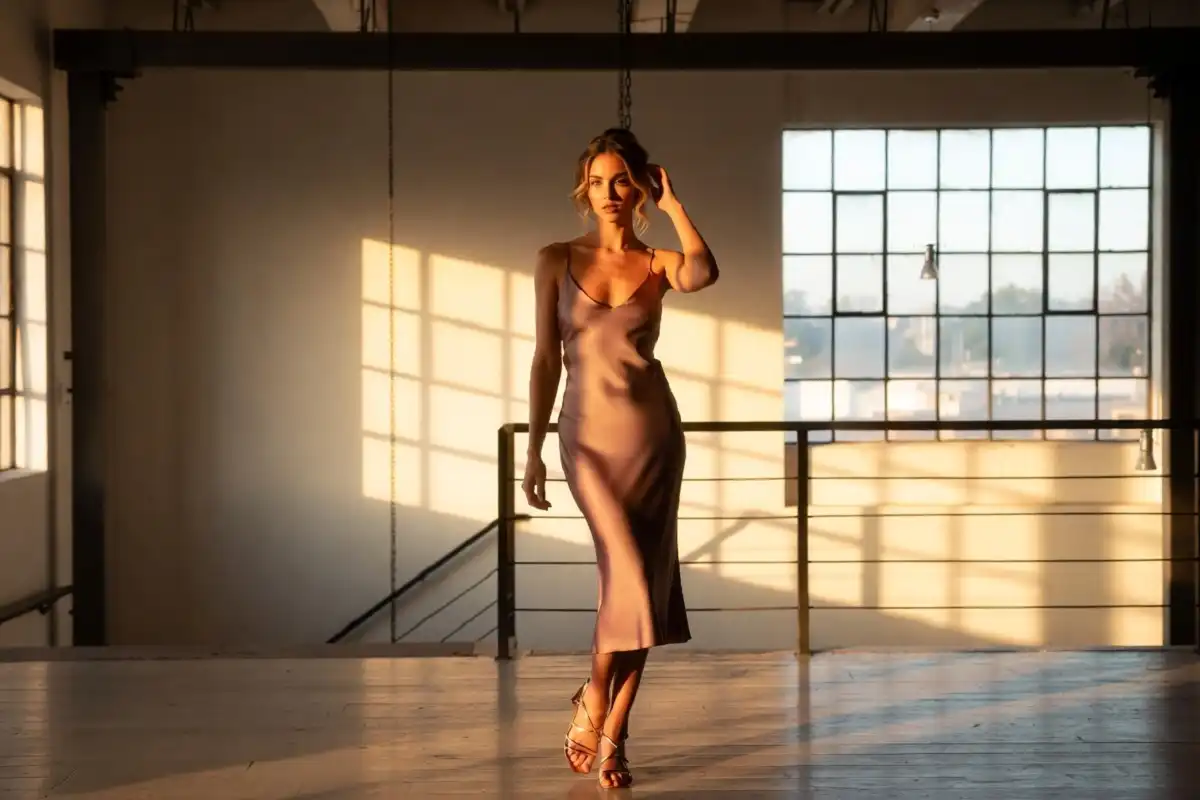
The slip dress became a signature of this look. Worn on its own in summer or layered over a white t-shirt in cooler months, it was effortlessly versatile. Silk, satin, and matte fabrics were all popular. Colors stayed mostly within beige, white, black, and soft blush tones.
Calvin Klein made this aesthetic globally iconic. The idea was that less was more, and that confidence needed no embellishment. If you want to see how minimalism connects to broader modern trends, the Fashion Trends 2024 complete style guide offers useful context on how the movement carried forward.
Preppy and Collegiate Style
Not every 90s woman was reaching for oversized flannels or satin slips. A substantial portion of the decade’s wardrobe was clean, collegiate, and put-together. Think plaid skirts, fitted polo shirts, knee-high socks, and mary jane shoes.
This look drew inspiration from school uniforms and private college campuses. It felt structured but still youthful. Baby blue, navy, green plaid, and burgundy were the colors most associated with the aesthetic. This style also lived comfortably alongside the quirky, whimsical energy of what is now called twee fashion. The twee fashion style guide for 2026 explores how that sensibility evolved and where it stands today.
Streetwear and Hip-Hop Influence
Female 90s fashion was also deeply shaped by hip-hop culture. Women in music videos and on album covers wore looks that were confident, bold, and unapologetically large. The aesthetic was about presence.
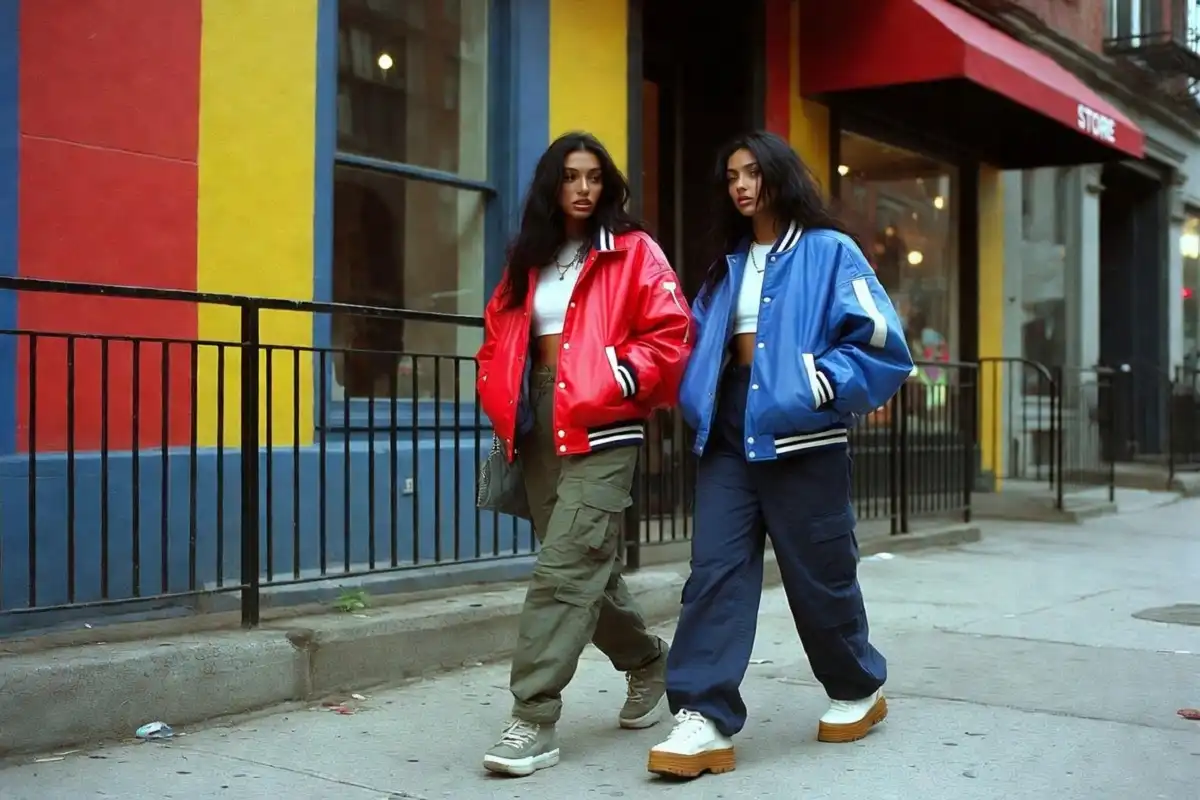
Tracksuits in bright colors, oversized hoodies, athletic jerseys, wide-leg trousers, and platform sneakers all became wardrobe staples through this lens. Branded sportswear from labels like Adidas and Fila crossed over from athletic wear into everyday street style. For a deeper look at how that era defined an entire visual language, the guide on 90s hip-hop fashion covers it thoroughly.
Women wore this streetwear with confidence. Crop tops met baggy jeans. Windbreakers came in color-blocked panels. Gold jewelry was layered heavily. The look was put-together, but it had swagger.
Accessories That Defined the Era
Accessories were not an afterthought in the 90s. They were often the point. A few key pieces became so synonymous with the decade that they are immediately recognizable even now.
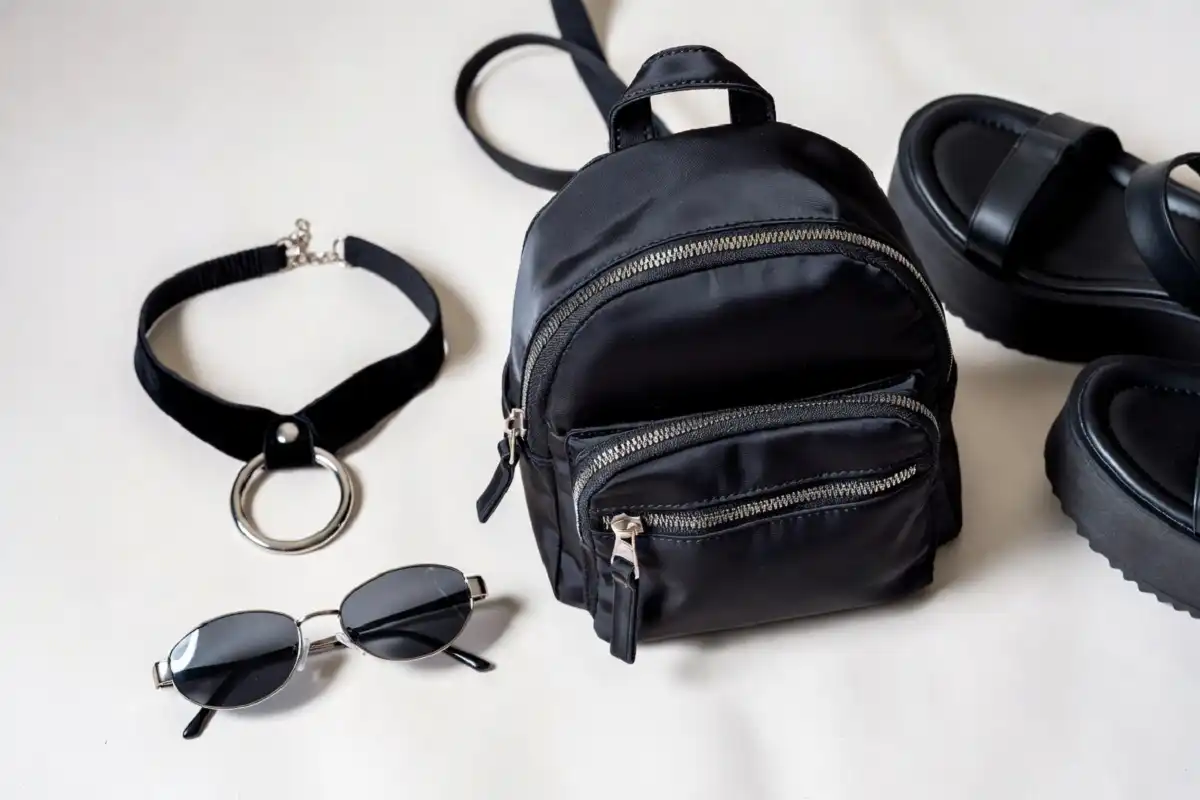
The choker necklace was arguably the most iconic accessory. Worn tight against the collarbone, it came in velvet, plastic, tattoo-print, and lace versions. Every version was popular. Tiny backpacks replaced shoulder bags for casual outfits. Tinted sunglasses in oval or shield shapes were everywhere. Hair clips, butterfly clips in particular, added detail to half-up styles and space buns.
Platform shoes gave extra height to everything from cargo pants to floral dresses. The Buffalo platform and chunky-soled sandals became symbols of the era. Even socks played a role, with slouchy white socks worn with chunky sneakers becoming a signature detail.
According to Vogue’s retrospective on 90s style, many of these accessory trends have already staged a full comeback in recent years, from the choker to the platform sneaker.
Key Clothing Pieces Every 90s Wardrobe Had
Certain garments crossed aesthetic lines and showed up across multiple 90s style categories. These pieces were versatile enough to work in different contexts and personal enough to carry individual expression.
- High-waisted jeans: Light-wash, dark-wash, or distressed, they appeared in every version of 90s women’s style.
- Baby tees: Fitted, short-sleeved tops with small graphic prints or simple soloes. Often cropped just above the waist.
- Overalls: Worn fully fastened or with one strap undone, in denim or corduroy.
- Cargo pants: Wide-leg and practical, these carried the utilitarian edge of the decade.
- Blazers: Structured and often oversized, worn with nothing underneath or over a simple top.
- Bodycon dresses: Stretchy, form-fitting dresses that reflected the confidence of the decade’s going-out aesthetic.
These pieces form the practical foundation of any 90s-inspired wardrobe. Most of them are available today in updated silhouettes through current retailers. Fashion Nova dresses for 2026 includes several styles rooted in that 90s bodycon and slip dress tradition.
How to Wear Female 90s Fashion Today
Bringing 90s style into a current wardrobe does not require wearing a full costume. The goal is to pick pieces that feel natural and layer them into a modern context.
Start with one statement item and build around it. A slip dress works well with a fitted leather jacket and ankle boots for an updated take. High-waisted jeans pair naturally with a tucked-in baby tee and a chunky sneaker. Overalls look fresh when one strap is left undone and worn over a cropped turtleneck.
The 1900s Edwardian style guide offers an interesting parallel on how past fashion eras get reinterpreted for modern wardrobes, a process that applies just as well to the 90s.
Keep the rest of the outfit contemporary. Mix vintage-inspired pieces with current cuts and proportions. The result tends to feel intentional rather than themed.
According to the Business of Fashion’s trend analysis, the 90s revival is not just nostalgia. It reflects a genuine appetite for clothing that prioritizes individuality, comfort, and cultural identity, all values that resonate strongly with current fashion consumers.
FAQ: Female 90s Fashion
What were the most popular female fashion trends of the 90s?
High-waisted jeans, slip dresses, grunge-inspired layering, and athletic streetwear were among the most widely adopted. Accessories like chokers, platform shoes, and mini backpacks were equally defining.
How do I incorporate female 90s fashion without looking costumey?
The key is balance. Choose one or two recognizable 90s pieces and pair them with modern basics. Let the 90s item be the focal point while keeping the rest of the outfit grounded in current proportions and fits.
Is female 90s fashion still relevant in 2026?
Yes, it is actively present in current collections across both high fashion and accessible retailers. Designers continue to draw on 90s references for silhouette, texture, and attitude.
What shoes were most associated with female 90s fashion?
Platform sneakers, combat boots, chunky-soled sandals, mary janes, and strappy kitten heels all featured prominently depending on the specific aesthetic.
What colors dominated female 90s fashion?
Neutrals like beige, black, and white were central to minimalist looks. Grunge leaned into dark tones and muted plaids. Streetwear brought in bright, bold colors. Pastel shades appeared across preppy and sporty styles.
Did female 90s fashion differ between subcultures?
Significantly. Grunge, hip-hop, preppy, and minimalist aesthetics each had their own look, color palette, and styling rules. Women often blended elements from more than one category.
Conclusion
Female 90s fashion remains one of the most referenced and beloved eras in style history. Its range was remarkable, moving from raw and rebellious to refined and restrained within a single decade. The looks that came out of the 90s were not just about clothing. They reflected how women saw themselves and how they wanted to move through the world.