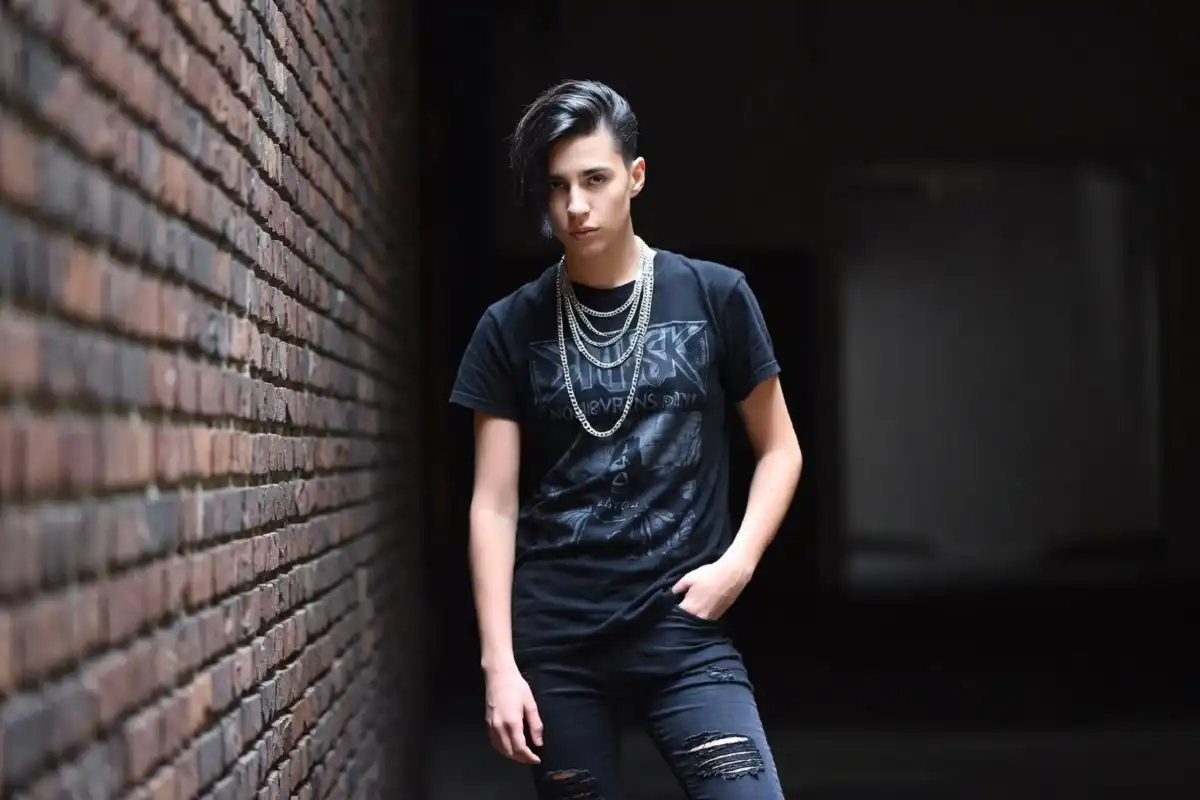
Emo fashion is one of the most recognizable and expressive subculture styles in modern clothing history. It grew out of a music scene and became a full visual identity that millions of people have connected with. Whether you remember it from the early 2000s or are discovering it fresh today, emo style offers a genuine way to express emotion, individuality, and creative identity through what you wear. This guide breaks down exactly what emo fashion is, how it works, and how to wear it well.
What Is Emo Fashion?
Emo fashion is a style rooted in emotional expression, closely tied to the alternative music scene that emerged from post-hardcore and indie rock in the 1990s and early 2000s. The word “emo” itself comes from “emotional hardcore,” and the clothing that developed around that culture reflected a desire to make inner feeling visible through outward appearance.
The style is centered on dark colors, fitted silhouettes, band merchandise, and layered accessories. But it has always been about more than aesthetics. For many people, emo fashion is a way to feel understood and to communicate a sense of self that does not fit into mainstream trends.
The Cultural Roots of Emo Style
Emo fashion did not appear overnight. It evolved alongside a musical movement and borrowed from several existing alternative subcultures, including punk, goth, and indie rock. Understanding where the style comes from helps explain why it looks and feels the way it does.
Unlike goth fashion, which tends toward theatrical darkness and historical references, emo fashion is more casual and youth-oriented. It is meant to be wearable in everyday settings, not just at concerts or events. This accessibility has always been part of its appeal.
Just as Edwardian-era fashion was shaped by the values and anxieties of its time, emo fashion reflects the emotional concerns of its generation, including identity, belonging, and the desire to be truly seen.
Key Wardrobe Pieces in Emo Fashion
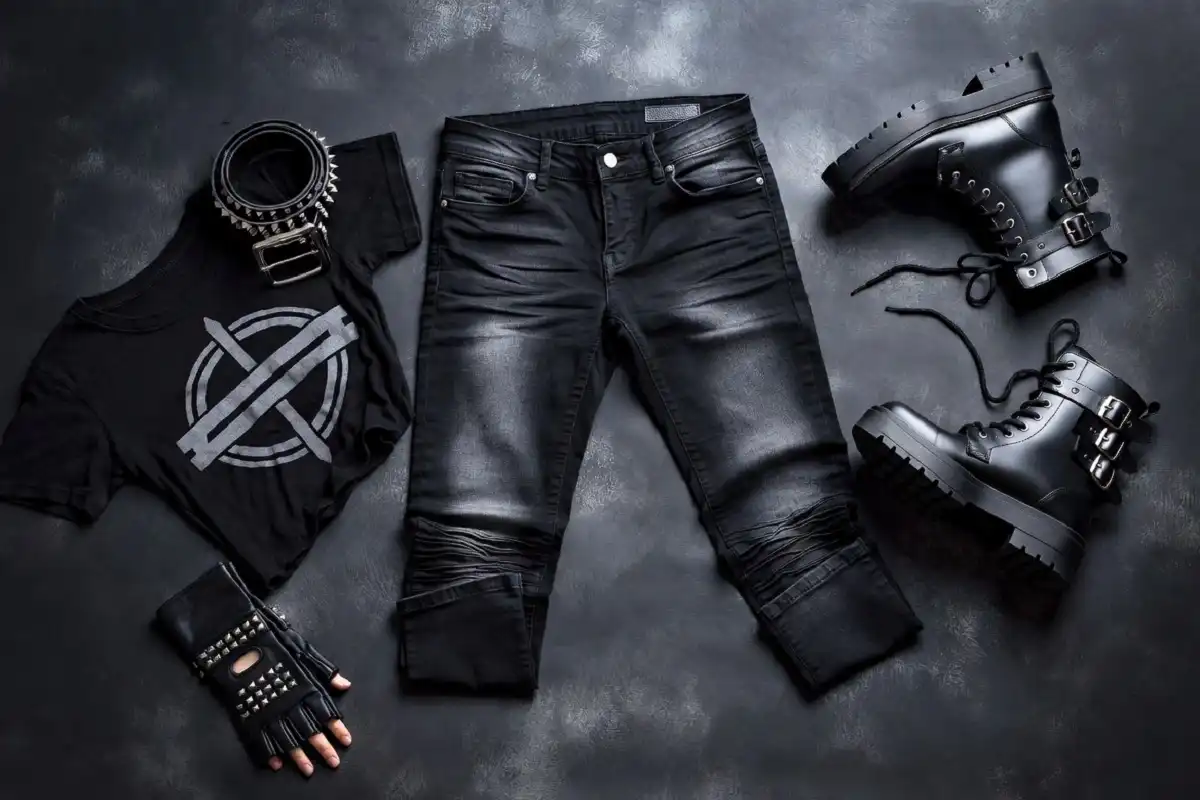
Building an emo wardrobe starts with a core set of pieces that define the look. These items work together to create a cohesive style that is both practical and expressive.
Tops and Outerwear
- Black or dark-colored band tees are the foundation of almost every emo outfit
- Fitted hoodies, often with graphic prints or band logos
- Striped long-sleeve shirts, usually in black and white or black and red
- Zip-up hoodies worn open over tees for layering
- Blazers or tailored jackets in dark colors for a sharper take on the look
Bottoms
- Skinny jeans in black are the most iconic emo bottom, though slim-fit styles work well too
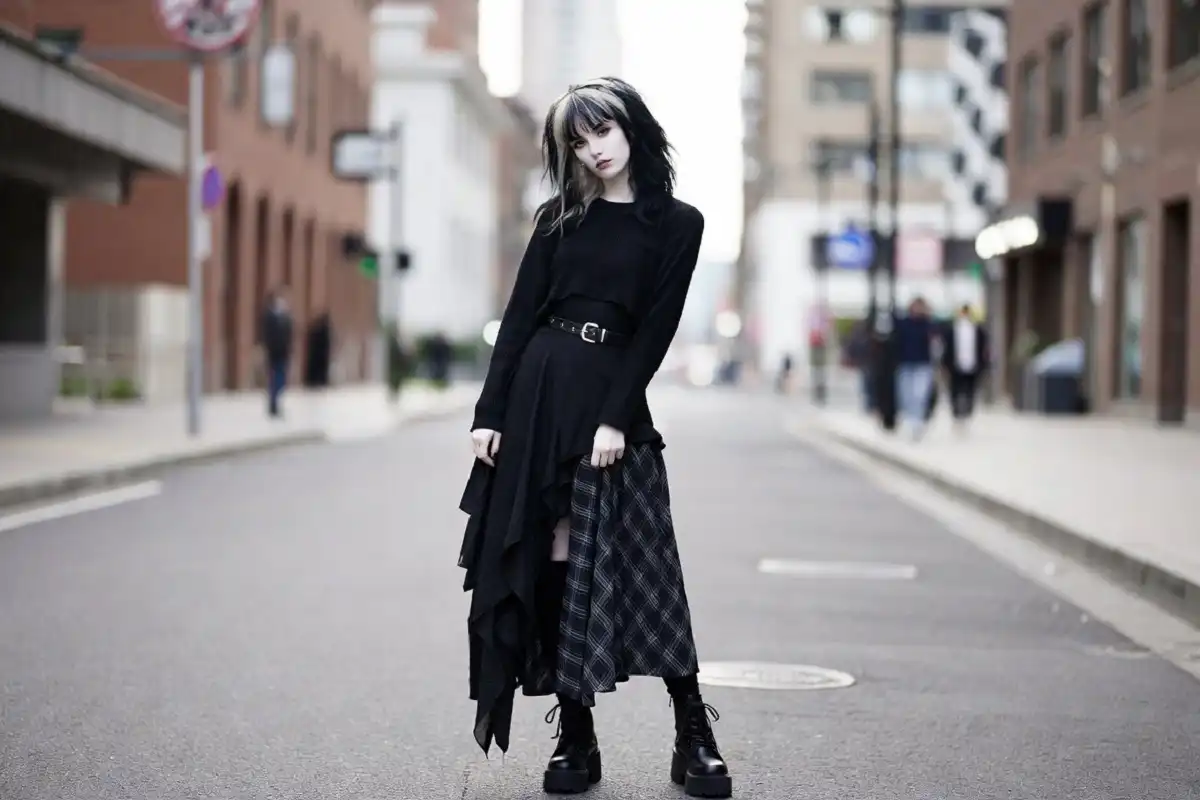
- Plaid skirts in dark tones, often worn with leggings or tights underneath
- Dark denim in indigo or washed-out shades for contrast
Footwear
- Chunky boots such as combat boots or platform shoes
- Classic lace-up Converse or Vans in black
- Creepers or other thick-soled shoes for added height and edge
Accessories
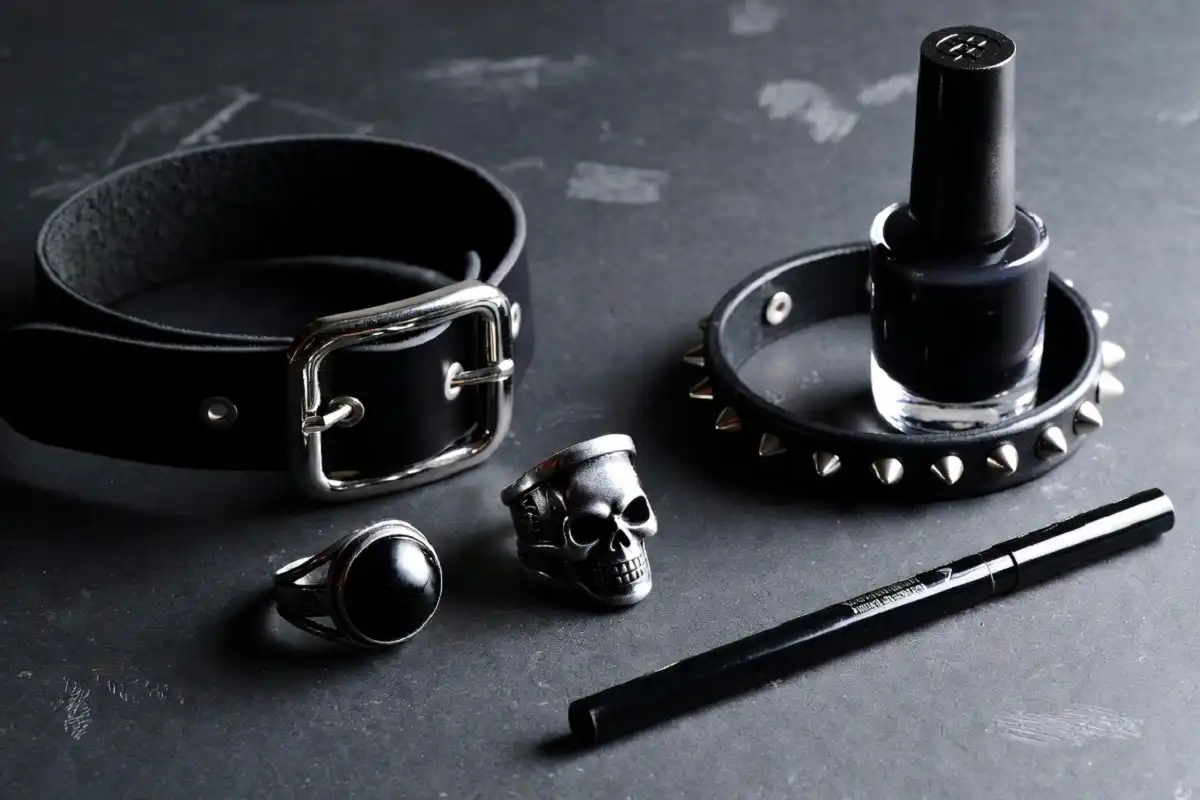
Accessories are where emo fashion becomes deeply personal. Layered necklaces, studded belts, fingerless gloves, wristbands, and rings all contribute to the finished look. Chokers are a staple, and pins or patches on bags and jackets allow for extra customization.
Hair and Makeup in Emo Style
Hair is a major part of the overall emo aesthetic. Side-swept bangs that partially cover one eye are probably the most recognized silhouette. Dark hair colors like black and deep brown are common, though bold dyes such as red, purple, and electric blue are also very much part of the tradition.
Makeup tends to emphasize the eyes. Heavy black eyeliner, smudged for a lived-in effect, is a core element. Pale foundation, dark eyeshadow, and dark lip colors complete the look. This approach to beauty is about amplifying expression rather than conforming to polished or conventional standards.
How Emo Fashion Has Evolved
Emo fashion peaked in mainstream visibility during the mid-2000s, but it never fully disappeared. Today it has experienced a genuine revival, particularly among younger style communities online who have rediscovered its authenticity and emotional directness.
Modern emo style often blends with other aesthetics. Streetwear silhouettes, Y2K nostalgia, and goth elements all show up in contemporary interpretations. The result is a version of emo fashion that feels fresh without losing its core identity.
Keeping up with how alternative aesthetics shift over time is part of staying stylish within any subculture. Reading about current fashion trends and style directions can help you find where emo intersects with what is happening in fashion more broadly.
Emo Fashion vs. Other Dark Aesthetics
Emo is often compared to goth and grunge, and while there is some overlap, the styles have clear differences.
Emo vs. Goth: Goth fashion leans into theatrical darkness, historical references, and a more deliberate sense of drama. Emo is more casual, more youth-centered, and more directly tied to emotional expression and music fandom.
Emo vs. Grunge: Grunge is looser and more deliberately disheveled, favoring oversized flannel and worn-out denim. Emo tends to be more fitted and precise, with a greater emphasis on accessories and intentional styling.
Emo vs. Twee: Twee fashion, which you can read more about in this twee style breakdown, moves in the opposite direction, favoring pastel colors, vintage prints, and a soft, whimsical quality. The contrast between the two aesthetics is stark and useful for understanding what makes emo distinct.
Building Your Own Emo Wardrobe on a Budget
You do not need to spend a lot to build a solid emo wardrobe. Secondhand shopping is deeply aligned with the values of alternative fashion communities, and thrift stores are excellent sources for band tees, denim, and boots.
A few practical starting points:
- Begin with one or two key pieces such as a good pair of black skinny jeans and a band tee from a band you actually like
- Layer gradually rather than buying everything at once
- Customize with patches, pins, and fabric paint to make pieces feel personal
- Look for accessories at independent sellers and online marketplaces where prices tend to be lower
If you are exploring how other affordable fashion brands approach this market, understanding what fast fashion brands offer versus what they leave out can help you make more intentional buying choices.
According to the Business of Fashion, alternative subculture aesthetics consistently cycle back into mainstream fashion, which means emo-adjacent pieces often appear in mainstream stores during peak trend moments, creating accessible entry points for new fans of the style.
Wearing Emo Fashion With Confidence
The most important element of emo fashion is sincerity. This is a style that reads as hollow when it is treated purely as costume. The people who wear it best are those who connect genuinely with its emotional undertones and musical roots.
That does not mean you need to be a die-hard fan of any particular band or have grown up in the scene. It means approaching the style with curiosity and letting your personal taste guide your choices rather than copying a look wholesale.
Staying informed about subculture and style history also helps. Resources like fashion magazines and style publications cover alternative fashion in depth and can give you broader context for how styles like emo fit into the wider culture.
The Subcultures and Sociology resource from the University of Chicago Press offers academic context for understanding why subculture fashion movements like emo develop and persist across generations.
FAQ
What colors are used in emo fashion?
Black is the dominant color in emo fashion, but it is rarely used alone. Dark reds, deep purples, forest greens, and white are often layered in for contrast. Plaid patterns in muted tones also appear frequently throughout the style.
Is emo fashion still popular in 2026?
Yes, emo fashion has seen a notable revival in recent years, driven largely by nostalgia for early 2000s aesthetics and a renewed interest in emotionally expressive subculture styles among younger generations online.
Can anyone wear emo fashion?
Absolutely. Emo fashion is an open aesthetic. There are no gatekeeping rules around body type, gender, or background. The style has always been about self-expression, and that principle applies to everyone who is drawn to it.
What shoes do you wear with emo outfits?
Combat boots and platform shoes are the most classic choices. Black Converse or Vans work well for a more casual take. The key is footwear that feels sturdy and grounded rather than light or sporty.
How is emo fashion different from goth?
Emo fashion is more casual and music-driven, with an emphasis on fitted clothing, band merchandise, and everyday wearability. Goth fashion tends to be more theatrical, historically influenced, and deliberately dramatic in its visual impact.
Conclusion
Emo fashion has proven its staying power. It started as an extension of a music community, grew into a global youth aesthetic, and continues to evolve without losing the emotional honesty at its core. Whether you are building a full look or just incorporating a few dark, expressive pieces into your existing wardrobe, the style rewards individuality. Start with what resonates, layer thoughtfully, and let your clothing say something real. Ready to explore more alternative style ideas? Browse our full range of style guides for every aesthetic and find your next direction.