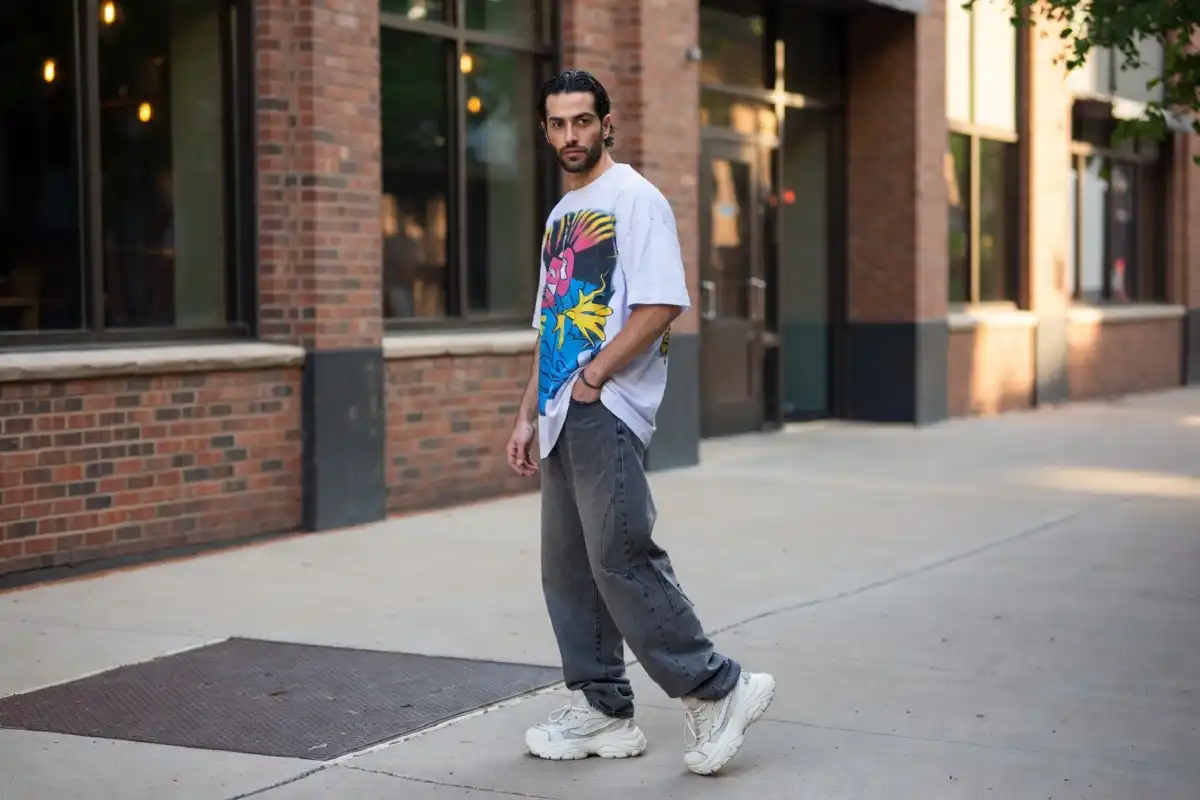
The 1990s reshaped how men approached getting dressed. The decade moved away from the polished, structured look of the 80s and leaned into something looser, more expressive, and driven by subculture. 90s mens fashion spanned everything from grunge flannel to hip-hop oversized fits, preppy polo shirts to skater cargo pants. That variety is exactly why it keeps coming back. Men today are pulling from the same decade for inspiration, and for good reason. The looks were cool, comfortable, and built around identity rather than rules.
What Made 90s Mens Fashion So Different
The 90s broke from previous decades by letting subculture lead fashion rather than the other way around. Men were not dressing to fit a single ideal. They were dressing to signal which world they belonged to, whether that was the skate park, the music scene, or the basketball court.
This connection between identity and clothing is a big reason the decade resonates today. People who study fashion trends point to the 90s as the moment when menswear became genuinely democratic. You did not need money or access to dress well. You needed a flannel shirt, a pair of jeans, and some conviction.
If you enjoy exploring how subculture shapes personal style, the emo fashion guide and dark aesthetic breakdown offers a useful look at how music-driven style movements continue to influence what people wear.
The Biggest Trends in 90s Mens Fashion
Baggy Jeans and Relaxed Denim
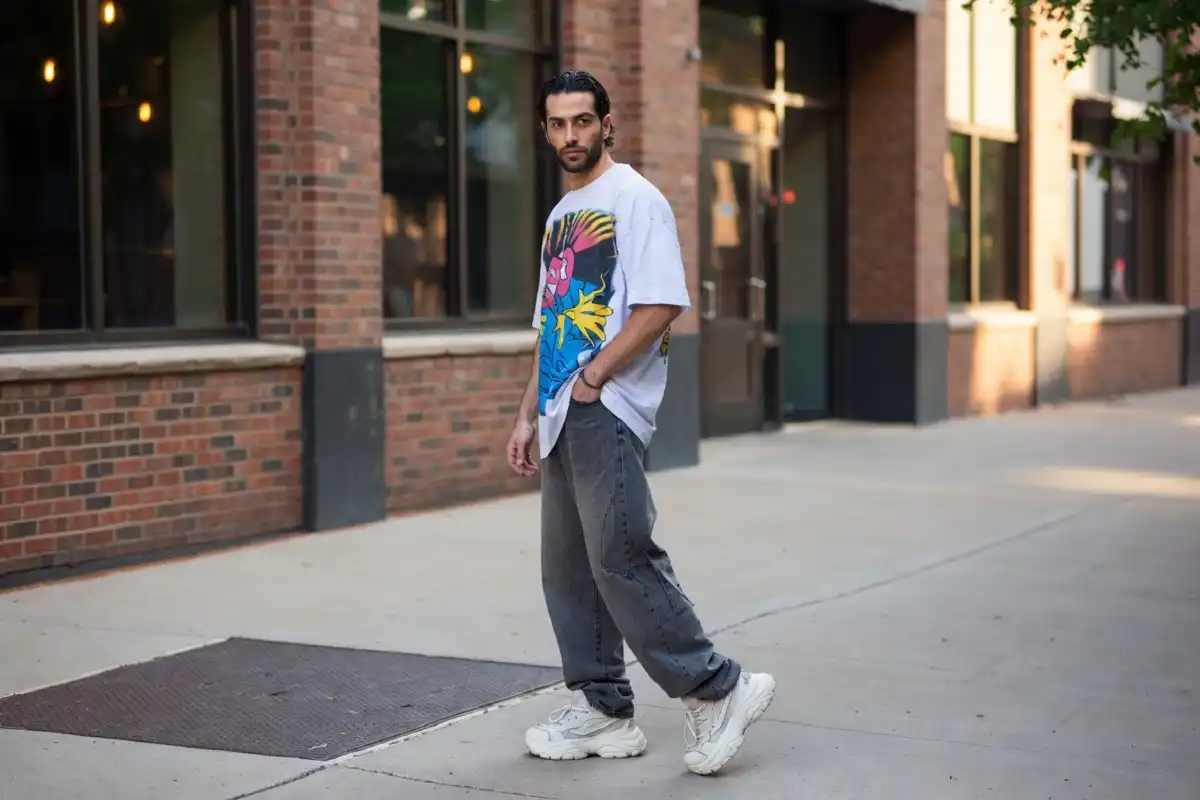
Baggy jeans were the single most visible piece of 90s mens fashion. Men wore denim loose, low, and wide. Ultra-wide leg cuts were popular in skate circles, while hip-hop culture favored a relaxed straight-leg look that sat low on the hips.
Today, relaxed and wide-leg denim has made a full comeback. The shift away from the slim-fit dominance of the 2010s has brought oversized denim back into everyday wardrobes.
Grunge and Flannel Shirts
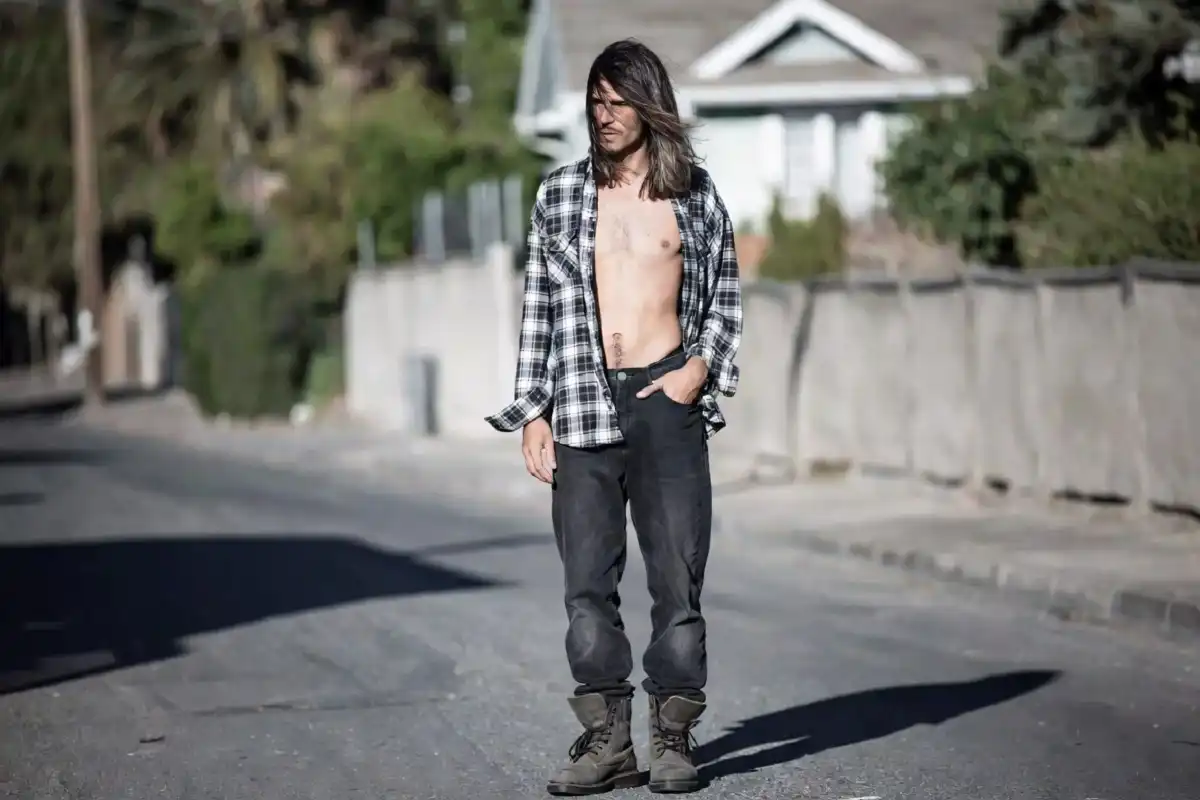
Grunge culture, which grew from the alternative music scene, gave men one of the decade’s most copied formulas: a flannel shirt worn open over a plain tee, paired with dark jeans and chunky lace-up boots. The look was deliberately unpolished.
What made grunge appealing was its rejection of effort as a signal of worth. Looking put-together was less important than looking authentic. That anti-fashion energy became its own kind of fashion statement.
Windbreakers and Track Jackets
Sportswear crossed over into everyday menswear during the 90s more completely than it ever had before. Windbreakers in bright colorblock patterns and track jackets from brands rooted in athletics became standard casual outerwear.
These pieces worked because they were practical and visually interesting at the same time. A good track jacket could anchor an outfit without much effort, which fit perfectly with the relaxed energy of the decade.
Bomber and Varsity Jackets
The bomber jacket moved through nearly every corner of 90s mens fashion. Varsity-style versions with contrasting sleeves and embroidered lettering had a collegiate feel. Satin bombers carried a more elevated, almost luxe energy. Both versions crossed subculture lines easily.
The bomber jacket is one of the cleanest examples of a 90s piece that never fully disappeared. It simply stayed relevant because its shape and versatility made it genuinely useful.
Oversized Graphic Tees
The graphic tee was a core piece across all 90s subcultures. Band tees, sports tees, and brand-logo shirts were all popular, and wearing them oversized was standard. These shirts communicated identity quickly and worked with almost everything else in a man’s wardrobe.
Vintage graphic tees from the 90s are now actively sought after in resale markets, with original pieces from the decade commanding significant interest.
90s Mens Fashion by Subculture
Hip-Hop and Streetwear
Hip-hop had the broadest and most lasting influence on 90s mens fashion. Artists and their communities popularized oversized hoodies, loose-fit cargo pants, matching tracksuits, bucket hats, and fresh sneakers. Gold chains, bold logos, and team jerseys were all part of the visual language.
This era created the foundation for what we now call streetwear. The commercial power of that market today traces directly back to choices men were making in the 90s.
Preppy and Collegiate Style
Not all 90s menswear was oversized or subculture-driven. The preppy look, associated with brands like Ralph Lauren and Gap, offered a cleaner alternative. Chinos, polo shirts, cable-knit sweaters, and white canvas sneakers defined this corner of the decade.
The preppy 90s look had staying power because its core pieces were genuinely versatile. Many of them have never left mainstream menswear.
If you want to understand how distinct brand identities shape the clothing people reach for, the Minna fashion values overview is worth a look for context on how ethos and style connect.
Skate and Surf Culture
West Coast skate and surf culture contributed loose shorts, graphic tees, beanies, slip-on shoes, and canvas backpacks to the broader menswear conversation. The skate look prioritized function. Clothes needed to move with the body and hold up to repeated use.
That practicality gave the aesthetic a genuine durability. Many of the pieces associated with 90s skate style are still worn in exactly the same way today.
Accessories That Completed the 90s Look
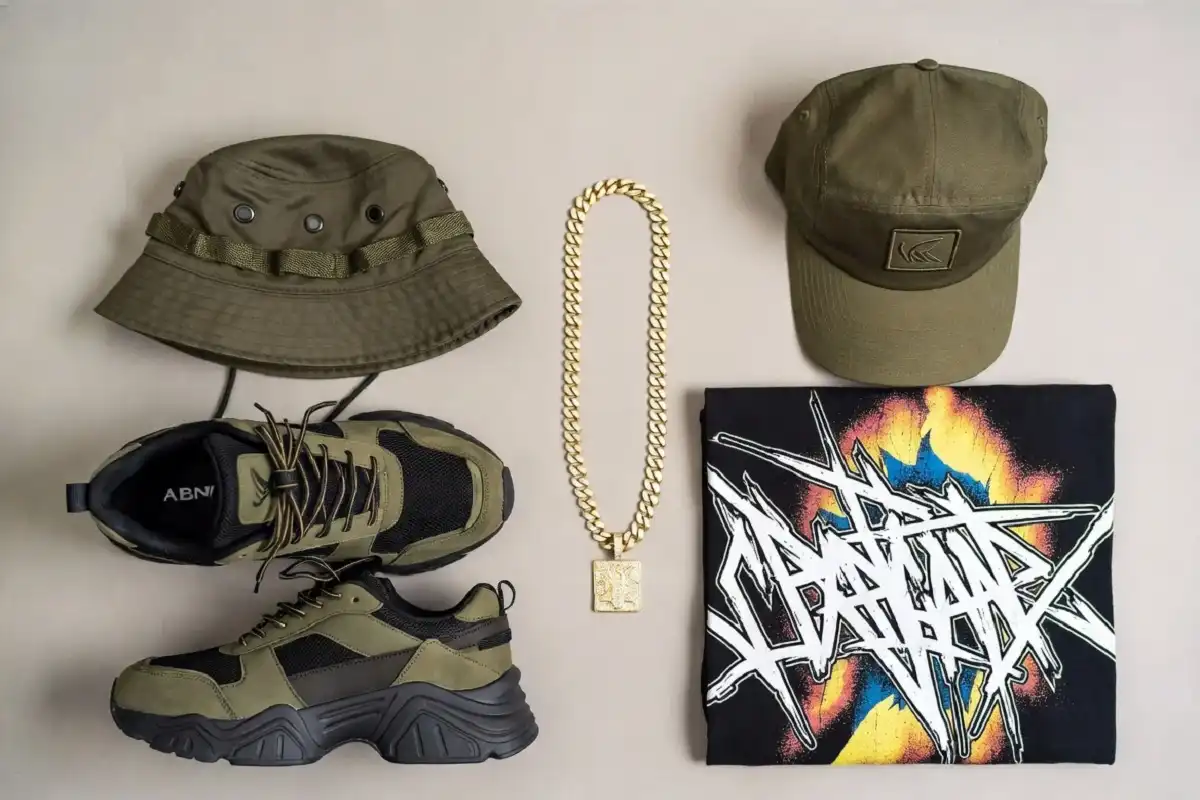
Accessories were essential to finishing any 90s outfit. The right hat or shoe could shift a look from one subculture to another entirely.
- Chunky sneakers: Nike, Reebok, New Balance, and Vans dominated. Thick soles and bold colorways were preferred.
- Bucket hats: Worn across streetwear, skate, and casual looks alike.
- Baseball caps: Worn forward and backward, often from sports franchises.
- Chain necklaces: Simple gold or silver chains worn over tees or under open shirts.
- Canvas backpacks: Functional and stylish, used as an everyday carry piece.
According to fashion coverage from outlets including Vogue Business, the resale market for 90s accessories has grown consistently as younger buyers seek out original pieces from the decade.
Colors and Patterns That Defined the Decade
90s mens fashion had a broad and sometimes contradictory color palette. Grunge and preppy styles leaned toward earth tones: olive, burgundy, tan, and forest green. Streetwear and sportswear went in the opposite direction with bright cobalt, red, yellow, and orange, often in colorblock combinations.
Patterns were equally varied. Plaid flannel, camouflage print, and bold tropical prints all had their moments. Even minimalist 90s outfits often used a single strong color in footwear or outerwear as the focal point.
This willingness to use color with confidence is one of the things that makes 90s mens fashion feel energetic compared to more recent minimalist trends.
How to Bring 90s Style into Your Wardrobe Now
Incorporating 90s mens fashion today does not require a full wardrobe rebuild. A few well-chosen pieces can shift the feel of what you already own.
Start with relaxed-fit denim, which is widely available and easy to style. Add a graphic tee, a flannel shirt as an overshirt, or a track jacket for layering. A pair of chunky sneakers will anchor almost any 90s-leaning outfit.
From there, accessories help complete the look. A bucket hat, a simple chain, or a canvas backpack can add the finishing detail without overwhelming the outfit.
For anyone interested in exploring how different fashion movements approach self-expression, the twee fashion style guide offers an interesting contrast to the 90s approach, showing how different decades produce entirely different frameworks for dressing with intention.
If you want to stay current with how retro trends are being interpreted in contemporary collections, keeping up with style-focused fashion magazines and subscriptions can help you track how the decade is being referenced right now.
For broader trend context on how fast fashion interacts with vintage aesthetics, GQ’s ongoing menswear coverage and Business of Fashion’s trend analysis are both reliable references worth bookmarking.
FAQs
What are the most iconic pieces from 90s mens fashion?
Baggy jeans, graphic tees, flannel shirts, bomber jackets, windbreakers, and chunky sneakers are the most recognized pieces from the decade. Bucket hats, chain necklaces, and baseball caps were the accessories that pulled looks together across multiple subcultures.
Is 90s mens fashion popular again right now?
Yes, 90s mens fashion has seen a clear and sustained revival in recent years. Wide-leg denim, relaxed-fit clothing, chunky sneakers, track jackets, and bomber jackets are all highly visible in current collections and on the street. The shift away from slim silhouettes that dominated the 2010s opened space for the decade’s looser aesthetic to return.
How do I wear 90s style without looking like a costume?
The key is mixing 90s pieces with modern basics rather than going all-in on a single era look. Pair relaxed-fit jeans with a current-season tee, or wear a 90s-style track jacket over simple trousers. Let one or two throwback pieces do the work while the rest of the outfit stays grounded.
What sneakers are most associated with 90s mens fashion?
Nike Air Max models, Reebok Classics, New Balance 990-series shoes, Vans slip-ons, and Adidas Superstars were among the most associated footwear of the decade. Thick, chunky soles and bold colorways were preferred over the sleek profiles that came later.
What subculture had the biggest influence on 90s menswear?
Hip-hop culture had the broadest and most commercially significant influence on 90s mens fashion. It popularized oversized silhouettes, sportswear as everyday clothing, and bold accessory choices that shaped menswear well beyond the decade itself.
Conclusion
90s mens fashion remains one of the most referenced and revisited eras in men’s style because it was built around genuine identity rather than a single trend. Whether the look you are drawn to is relaxed streetwear, grunge layering, or clean preppy basics, the decade has a starting point for you. Pick one or two pieces that feel right, try them with what you already own, and let the era guide you toward something that feels like your own. The best style is always the one that fits how you actually live.