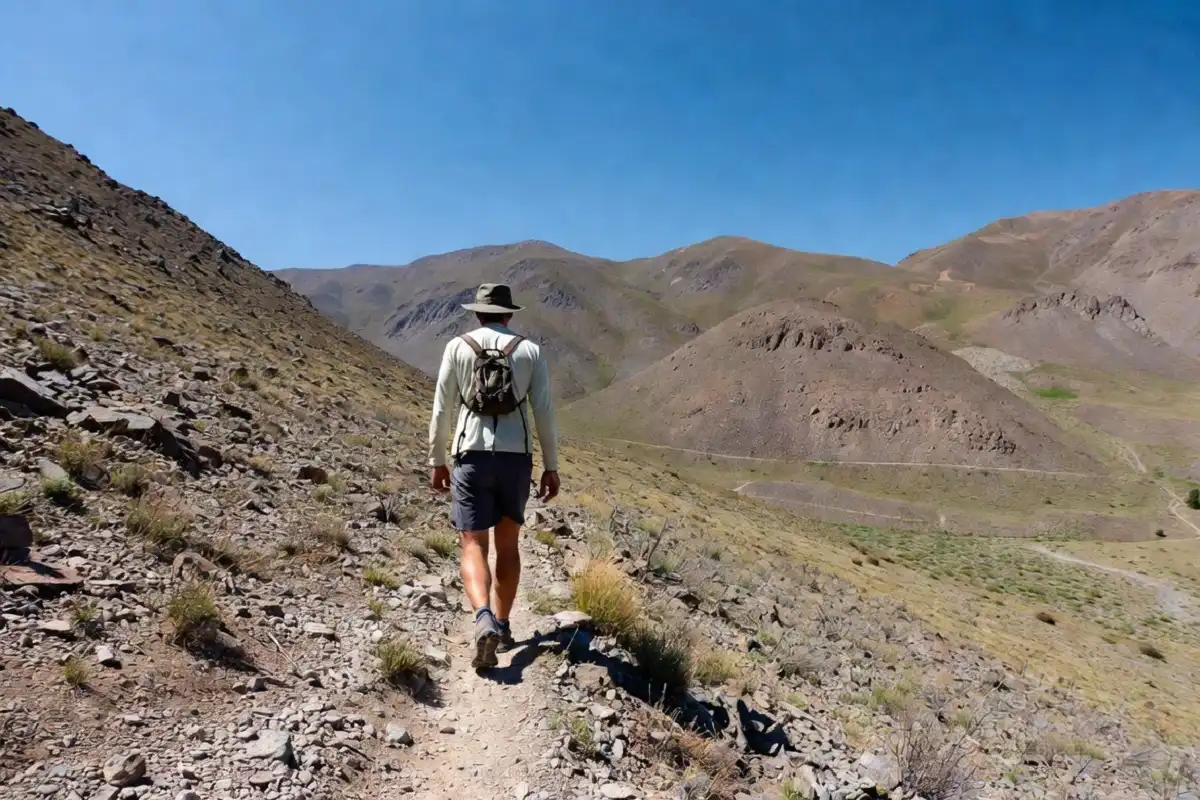
Hiking should feel free, not expensive. The good news is you do not need a closet full of pricey gear to enjoy the outdoors. With the right budget hiking essentials, you can stay safe, dry, and comfortable on most trails for a fraction of what the big brands suggest. This guide breaks down what truly matters, what you can skip, and how to spend wisely. Whether you walk local hills or plan a weekend trek, smart choices make every step easier.
Why Budget Hiking Essentials Matter
Spending a lot of money does not always mean better protection on the trail. What matters is having the right items that do their job. A reliable water bottle, decent footwear, and a way to stay warm will carry you further than a logo ever will.
Many new walkers overspend on flashy gear and forget the basics. Focusing on budget hiking essentials helps you build a kit that is practical, light, and ready for real conditions. You learn what you need through experience, then upgrade only when something truly limits you.
For more ways to save before you shop, this ethical shopping handbook is a helpful starting point.
The Core Budget Hiking Essentials
These are the items worth prioritizing. Get these right and you are ready for most day hikes.
1. Comfortable, Supportive Footwear
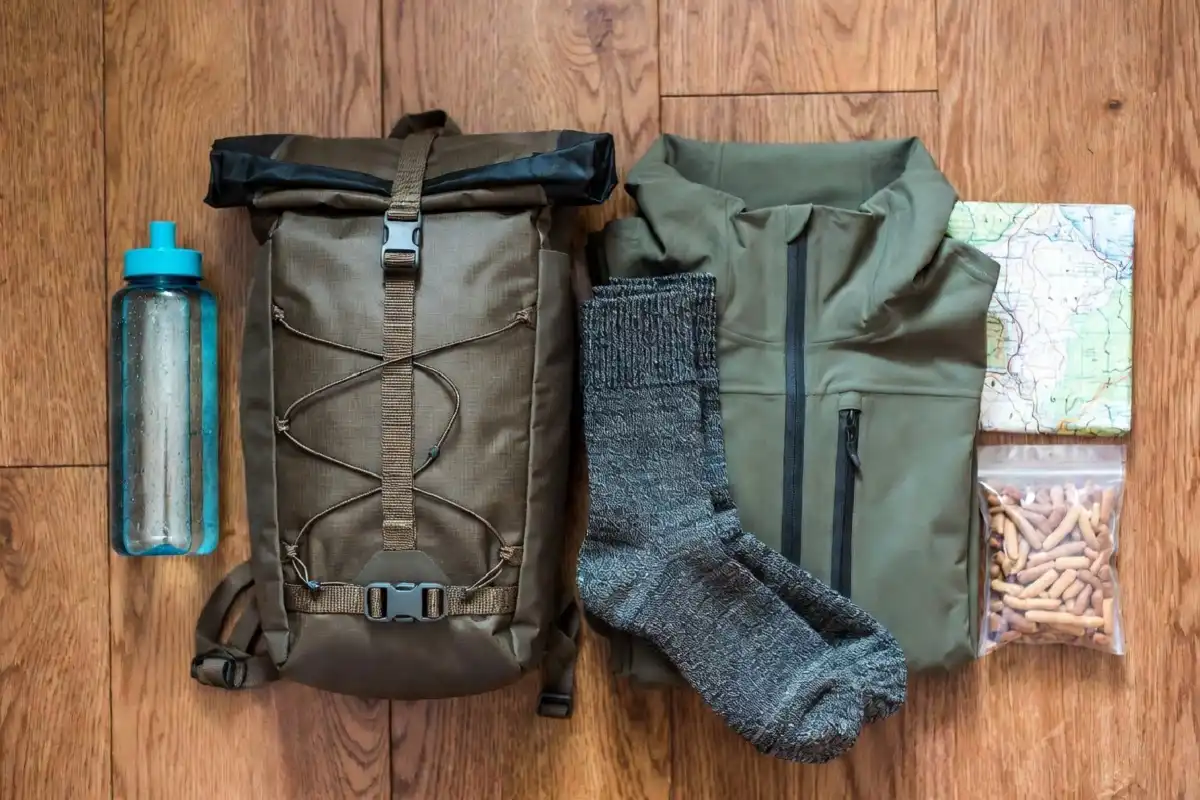
Your feet do all the work, so this is where care pays off. You do not need premium boots for easy trails. Trail runners or sturdy sneakers with good grip handle dry paths well. Look for a snug heel, room in the toes, and soles that flex without folding flat.
Break in any new shoes before a long walk. Blisters end hikes faster than rain.
2. A Reliable Daypack
A simple pack of 15 to 25 liters holds everything for a day out. You want padded straps, a chest clip, and a main pocket large enough for layers and snacks. Skip the heavy frames and extra zippers you will rarely touch.
Among budget hiking essentials, the daypack is easy to find secondhand in great condition.
3. Water and a Way to Carry It
Staying hydrated is non negotiable. A wide mouth plastic bottle works perfectly and costs little. On longer routes, a basic hydration bladder lets you drink without stopping.
- Carry at least half a liter per hour of walking
- Add more in heat or at altitude
- Refill at safe, known sources only
4. Weather-Ready Layers
Mountain weather changes fast. Dress in layers so you can adjust as you move. A breathable base layer, a warm mid layer, and a packable rain shell cover most conditions. Avoid cotton, which stays wet and chills you.
You can find affordable layers at outlet stores and end of season sales.
5. Sun and Skin Protection
A cap, sunglasses, and sunscreen guard you on exposed trails. These small budget hiking essentials prevent burns, headaches, and tired eyes. They weigh almost nothing and cost very little.
Safety Items You Should Never Skip
Cutting costs is fine, but never cut safety. These low cost items can prevent a small problem from becoming a serious one.
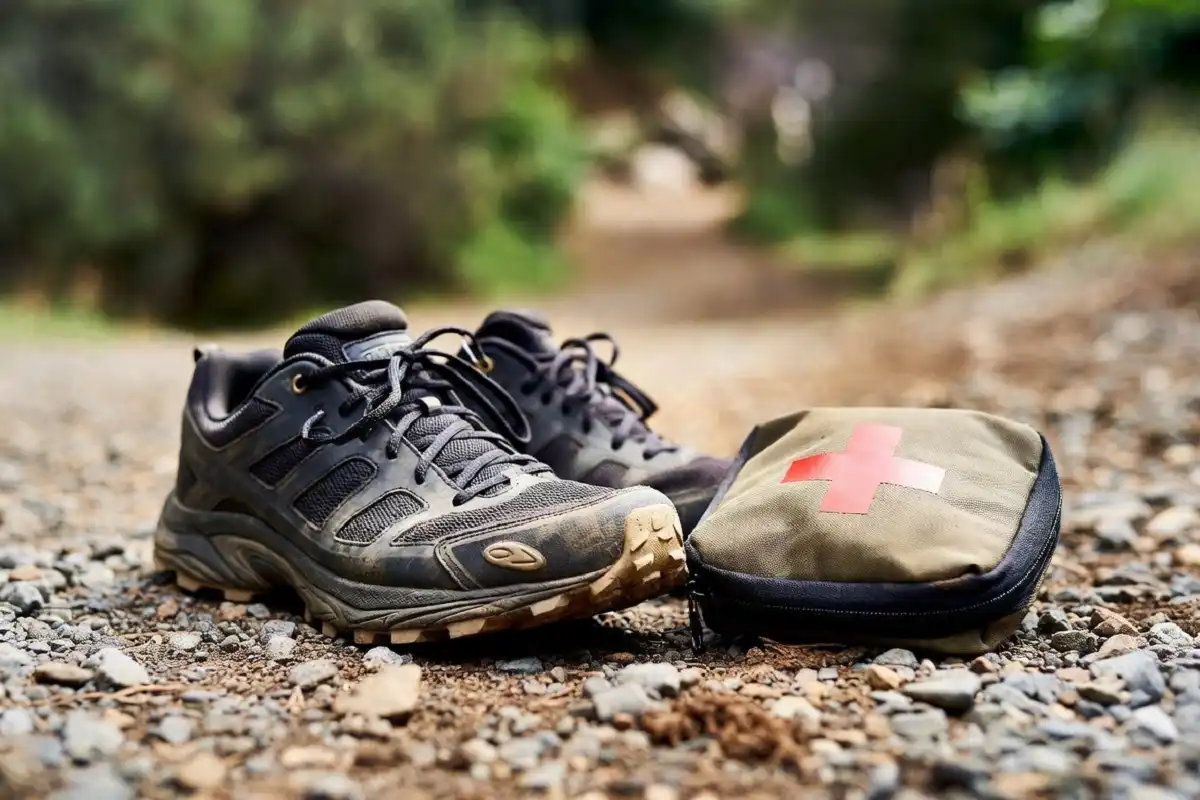
- A basic first aid kit with bandages and blister care
- A whistle for signaling
- A small flashlight or headlamp with spare batteries
- A paper map or downloaded offline map
- A lightweight emergency blanket
The American Hiking Society shares clear advice on trail safety and preparation that pairs well with any budget kit.
Where You Can Safely Spend Less
Not every item needs to be new or branded. Knowing where to save keeps your budget hiking essentials affordable without risk.
You can save on:
- Daypacks, often great secondhand
- Base layers and fleece from general sportswear ranges
- Water bottles and simple snacks
- Trekking poles, where basic models work fine
You should invest a bit more in:
- Footwear that fits well
- A rain shell that actually keeps water out
- Navigation tools you can trust
If you want more ideas for stretching every dollar, this cheap travel gear list shows budget picks that perform.
Building Your Kit Step by Step
Start small. Buy footwear and a pack first, then add layers and safety items over time. This spreads the cost and lets you learn what suits your hikes.
A simple order of priority looks like this:
- Footwear and socks
- Daypack
- Water and snacks
- Weather layers
- Safety and navigation gear
This steady approach keeps your budget hiking essentials affordable while making sure you are never unprepared. New walkers often find this guidance in a beginner camping checklist useful too, since camping and hiking gear overlap.
Small Add-Ons That Improve Every Hike
Once your core kit is ready, a few cheap extras make trails more pleasant.
- Lightweight gloves for cool mornings
- A buff or neck gaiter for sun and wind
- Energy snacks like nuts and dried fruit
- A small dry bag for your phone and keys
- A reusable trash bag to leave no trace
These minor budget hiking essentials cost little but add real comfort and convenience. Some handy low cost tools are featured in this roundup of cool gadgets under twenty dollars.
Common Mistakes to Avoid
Many walkers waste money on the wrong things. Watch out for these traps.
- Buying heavy boots for flat, easy trails
- Choosing style over fit and function
- Skipping rain protection on clear days
- Carrying too much water on short walks
- Ignoring sock quality, which affects comfort more than people expect
Avoiding these mistakes keeps your budget hiking essentials lean, useful, and easy to carry.
FAQs
How much should budget hiking essentials cost?
A solid starter kit can cost very little if you shop smart and buy secondhand where possible. Focus your money on footwear and rain protection, then add other items gradually. Many walkers build a complete day hiking kit over a few months rather than all at once.
Do I need hiking boots or are sneakers fine?
Sneakers or trail runners are fine for dry, well marked trails with gentle terrain. Boots help on rocky, wet, or steep routes where ankle support matters. Choose based on where you walk most, not on what looks the part.
What are the most important budget hiking essentials for beginners?
Footwear, water, and weather layers matter most for beginners. These three keep you safe and comfortable on nearly every easy trail. Add safety items like a first aid kit and a light as your hikes grow longer.
Can I hike without expensive brand gear?
Yes, you can hike comfortably without premium brands. Function matters far more than logos. Affordable gear that fits well and protects you from weather will serve you just as reliably on most day hikes.
How do I keep my pack light on a budget?
Carry only what you truly need and choose lightweight items where you can. Skip duplicate gear and pack smart snacks. A focused set of budget hiking essentials naturally keeps your load light and your walk easier.
Conclusion
You do not need to spend a fortune to enjoy the trail. The right budget hiking essentials keep you safe, dry, and comfortable while leaving money in your pocket. Start with good footwear, water, and weather layers, then build from there as you learn what you really need. Smart, simple choices beat expensive gear every time. Pack with care, walk with confidence, and let the outdoors stay the affordable adventure it was always meant to be. Your next great hike is closer than you think.