Planning your first outdoor adventure can feel exciting and a little overwhelming at the same time. Having a solid beginner camping checklist takes away the guesswork and helps you pack only what you truly need. Whether you are heading to a state park or a quiet forest campsite, the right gear makes a huge difference. This guide walks you through every item on a complete beginner camping checklist so you can focus on enjoying nature instead of worrying about what you forgot.
Why a Beginner Camping Checklist Matters
A beginner camping checklist is more than just a packing guide. It helps you stay organized, avoid overpacking, and feel confident stepping into the outdoors for the first time. Many first-time campers either bring too much or forget something important. A well-planned list solves both problems.
When you follow a beginner camping checklist, you also spend less money because you only buy what is actually necessary. You learn the basics before upgrading to more advanced gear later.
Shelter and Sleeping Gear
Getting a good night’s sleep in the wild starts with the right shelter. This is the most important part of any beginner camping checklist.
Tent
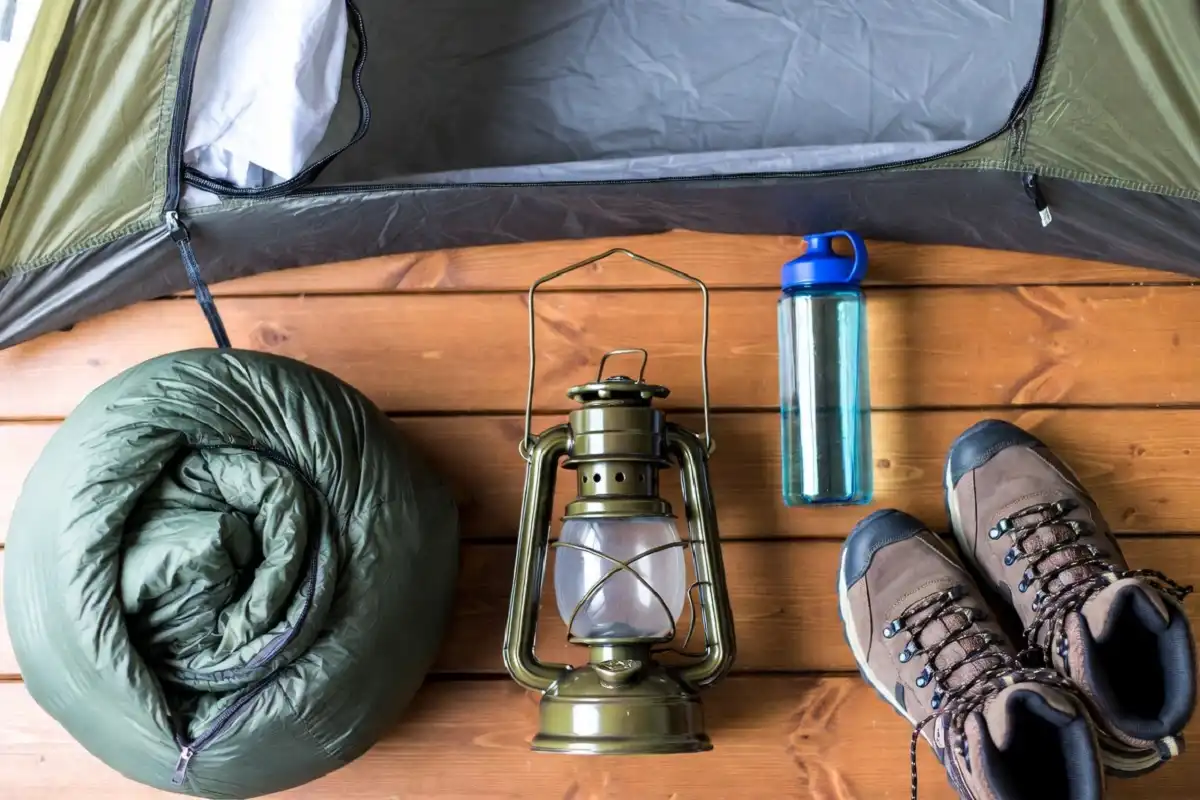
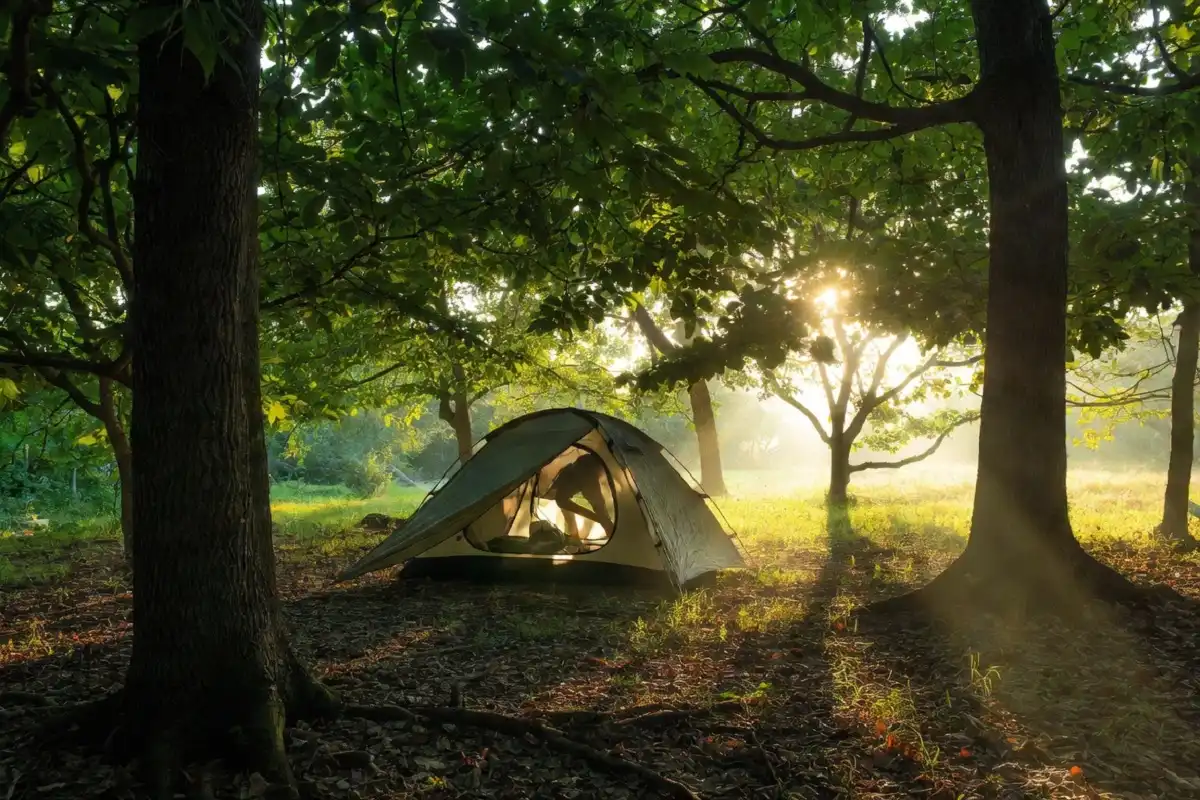
Choose a tent rated for more people than you need. A two-person tent is fine for solo campers because it gives you extra room for gear. Look for a tent with a rainfly and good ventilation. Practice setting it up at home before your trip.
Sleeping Bag
Pick a sleeping bag rated for temperatures slightly lower than your expected nighttime weather. A three-season bag works well for most beginner trips. It rolls up easily and fits most backpacks without trouble.
Sleeping Pad
A sleeping pad goes under your sleeping bag to insulate you from the cold ground. Foam pads are affordable and nearly indestructible. Inflatable pads are lighter and more comfortable but cost a bit more.
Clothing for Camping
Weather in the outdoors can shift quickly. Your beginner camping checklist should include layers so you can adjust throughout the day.
- A moisture-wicking base layer that pulls sweat away from your skin
- A mid-layer like a fleece jacket for warmth in the evenings
- A waterproof or wind-resistant outer shell
- Two or three pairs of wool or synthetic hiking socks
- Comfortable, broken-in hiking boots or trail shoes
- A hat and sunglasses for sun protection
Avoid cotton in wet or cold conditions. It takes too long to dry and can lower your body temperature.
Food and Cooking Supplies
Eating well keeps your energy up on the trail and around the campsite. Add these items to your beginner camping checklist before any trip.
Camp Stove and Fuel
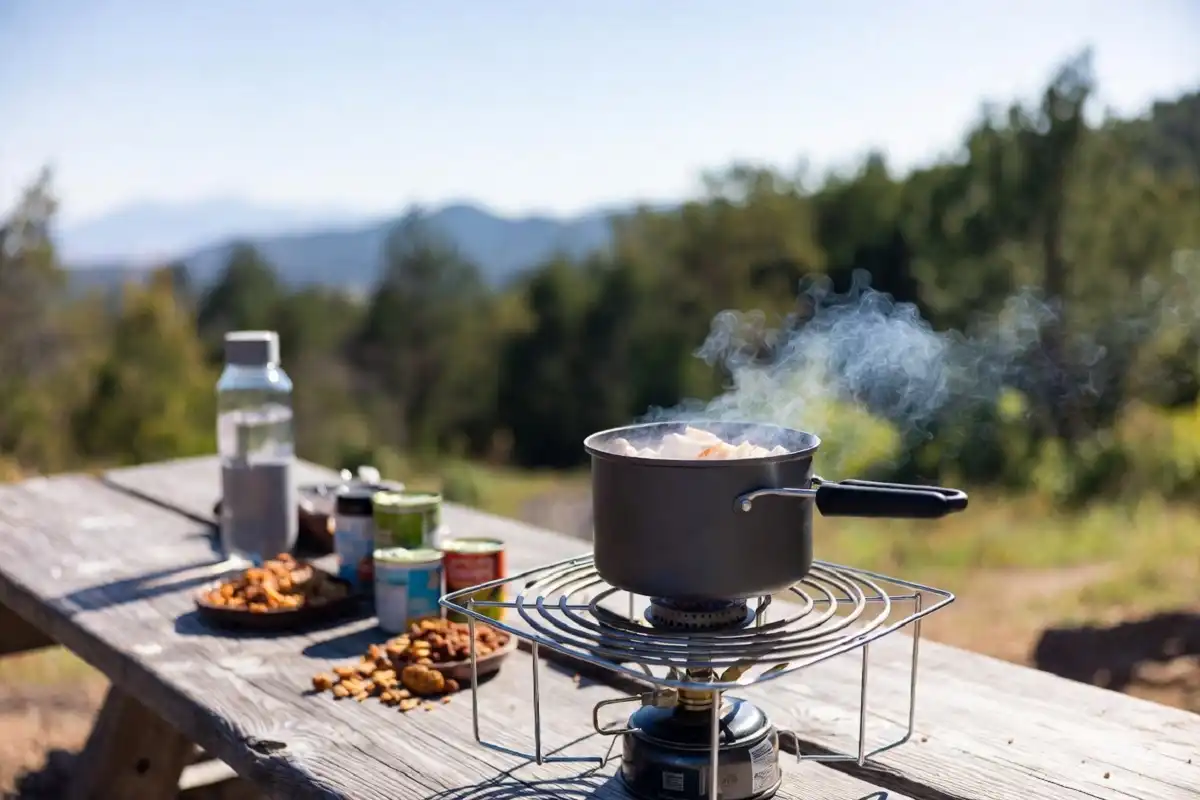
A single-burner propane stove is a great starting point. It heats food quickly and is easy to use. Always check how much fuel you have before leaving home. Following safe outdoor gear maintenance practices keeps your stove and other equipment working properly for years.
Cookware and Utensils
- A small lightweight pot with a lid
- A metal spoon, fork, and knife
- A camp mug for coffee or tea
- A small cutting board
Food to Bring
- Oats or instant porridge for breakfast
- Trail mix, nuts, and dried fruit for snacks
- Instant noodles, rice packets, or dehydrated meals for dinner
- Peanut butter and crackers for a quick, satisfying lunch
- Energy bars for long hikes
Water and Hydration
Clean water is not always available at campsites. Bring a water filter or purification tablets as backup. Carry at least two liters of water per person per day. A collapsible water container saves space and weight.
Safety and Navigation Gear
Every beginner camping checklist should include basic safety items. You do not need to be a survival expert, but you should be prepared.
First Aid Kit
A basic kit should have bandages, antiseptic wipes, blister pads, pain relievers, and allergy medication. You can buy a pre-assembled kit or build your own.
Navigation Tools
- A paper map of your campsite and surrounding area
- A compass as a backup to your phone GPS
- A fully charged power bank for your phone
According to the American Red Cross, knowing your location and having a communication plan is one of the most important safety steps for any outdoor trip.
Lighting
- A headlamp with extra batteries
- A small handheld flashlight
- A compact lantern for the campsite
Always keep your headlamp accessible. Nighttime at a campsite comes fast, and having hands-free light matters more than you think.
Hygiene and Personal Care
Staying clean in the outdoors is easier than most beginners expect. A few smart additions to your beginner camping checklist keep you comfortable.
- Biodegradable soap for washing hands and dishes
- A small pack towel that dries quickly
- Toothbrush and toothpaste
- Toilet paper and a small trowel for digging cat holes
- Hand sanitizer for use away from a water source
- Sunscreen with at least SPF 30
- Insect repellent, especially for wooded or marshy areas
Leave no trace by packing out all waste and using products that are safe for nature.
Tools and Camp Accessories
A few small tools go a long way toward making your first camp experience smooth and enjoyable.
- A multi-tool or pocket knife
- Duct tape for quick repairs
- Paracord or camp rope for hanging tarps or a clothesline
- A lighter and waterproof matches
- A small hand trowel
- Biodegradable trash bags
If you are camping with children, check out how to choose the right gear for younger outdoor adventurers before packing up.
Backpack and Packing Tips
Your bag holds everything together, so it deserves a spot on the beginner camping checklist. For car camping, a large duffel bag or 60-liter pack works well. For hiking to your site, a 40 to 50-liter backpack is a better fit.
Pack heavy items close to your back and near the center of the bag. Lighter items like clothing go toward the top and outside pockets. Keep frequently needed items like snacks, a rain jacket, and your headlamp within easy reach.
For budget-friendly packing options, this guide to affordable outdoor gear has practical picks that do not sacrifice quality.
Leave No Trace Basics
Your beginner camping checklist is not complete without a commitment to keeping wild spaces clean. The Leave No Trace Center for Outdoor Ethics offers seven principles every camper should follow.
The basics include packing out all trash, staying on marked trails, keeping campfire impacts small, and respecting wildlife. Small actions from every camper add up to a healthier outdoor environment for everyone.
FAQs
What is the most important item on a beginner camping checklist?
A shelter, meaning your tent, is the most critical item because it protects you from weather and keeps you safe overnight. Without reliable shelter, all other gear becomes secondary.
How do I keep my food safe from animals while camping?
Store all food and scented items in a bear canister or hang them from a tree branch at least ten feet off the ground and four feet from the trunk. Never keep food inside your tent.
Can I go camping without expensive gear?
Yes, you can start with affordable basics and build your kit over time. Many parks also rent gear. You can also find solid picks by browsing a well-researched outdoor equipment guide to make smart first purchases.
How do I choose the right campsite as a beginner?
Start with established campgrounds that have amenities like restrooms, fire rings, and ranger support. These sites are safer and more comfortable for first-time campers.
What should I do if the weather turns bad at camp?
Stay in your tent with a waterproof rainfly secured. Move to your car if lightning is nearby. Always check the forecast before you leave and bring extra layers regardless of what is predicted.
Do I need a permit for camping?
Many popular campsites require a permit or reservation, especially during peak seasons. Check the park or land management website before your trip to book in advance.
Conclusion
A thoughtful beginner camping checklist is what separates a stressful first trip from a truly great one. Start with the essentials: shelter, sleep, food, water, safety, and clothing. Build your kit slowly, learn from each outing, and keep your gear in good condition. The outdoors rewards people who come prepared. Use this beginner camping checklist as your foundation, and you will have everything you need for a safe, comfortable, and memorable first night under the stars.