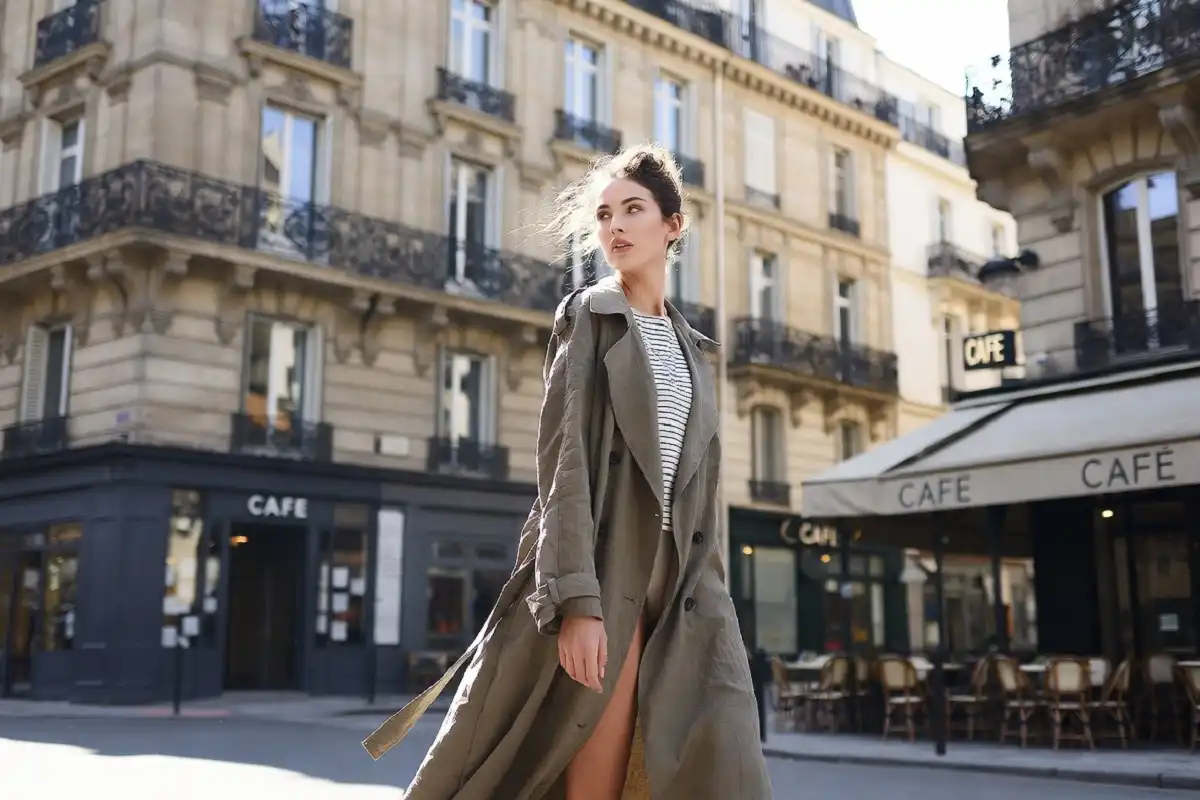
There is a reason the world keeps looking to Paris for inspiration. French fashion is less about chasing trends and more about looking polished without trying too hard. It favors quality over quantity, clean lines, and pieces that last for years. The result is a relaxed confidence that feels both simple and refined. This guide breaks down the core ideas behind French fashion and shows how you can bring that easy elegance into your own wardrobe, whatever your budget or background.
What Defines French Fashion?
French fashion is built on restraint and quality rather than logos or loud trends. The goal is a wardrobe that looks intentional, not overworked.
A few principles shape the whole approach:
- Quality over quantity. Fewer, better pieces beat a crowded closet.
- Neutral colors. Black, navy, cream, and beige form the base.
- Clean silhouettes. Tailored, simple shapes that flatter the body.
- Understated confidence. Looking effortless is the whole point.
This mindset makes getting dressed easier, since most items already work together. For more on building habits like this, our complete autumn style guide shows how to plan a seasonal wardrobe.
The Capsule Wardrobe Idea
The capsule wardrobe sits at the heart of French fashion. It means owning a small set of versatile pieces that mix and match with ease.
Instead of buying constantly, the focus is on choosing well. A handful of quality items can create dozens of outfits, which saves money and reduces decision fatigue each morning.
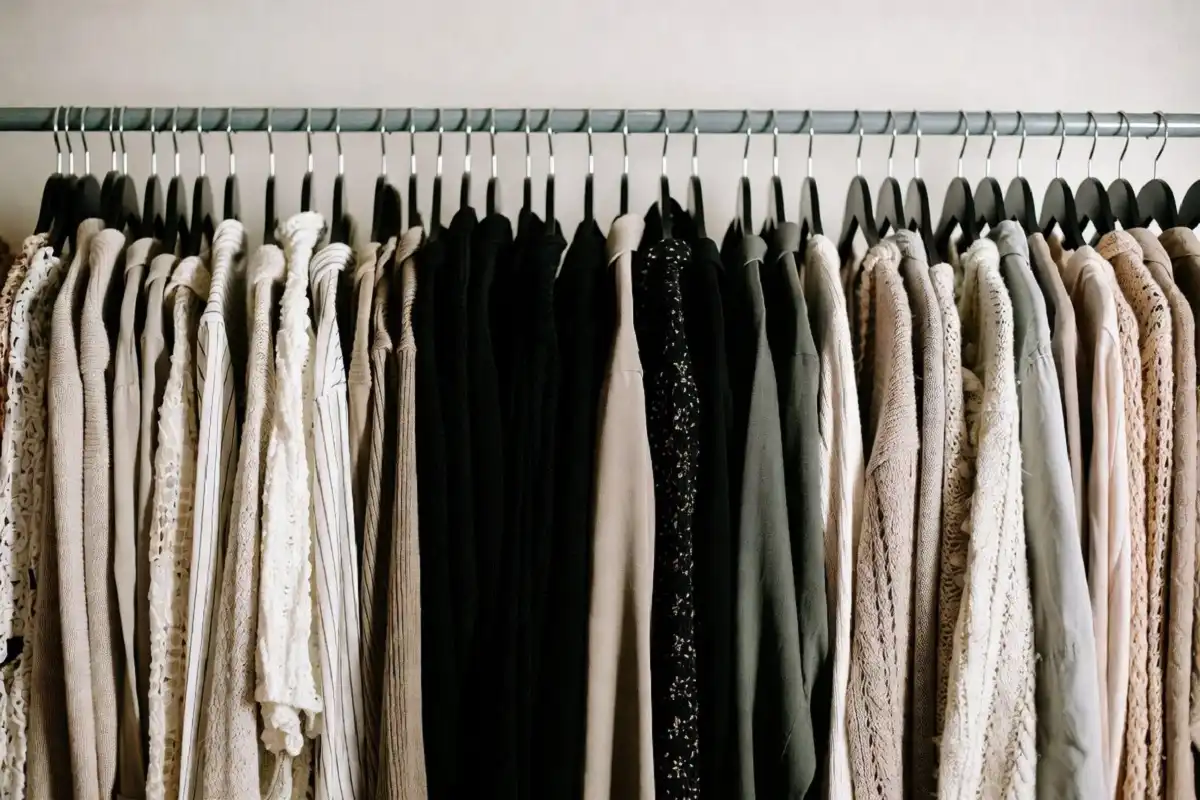
Wardrobe Essentials to Start With
Certain staples form the backbone of the French look. These pieces never really go out of style.
Tops and Knitwear
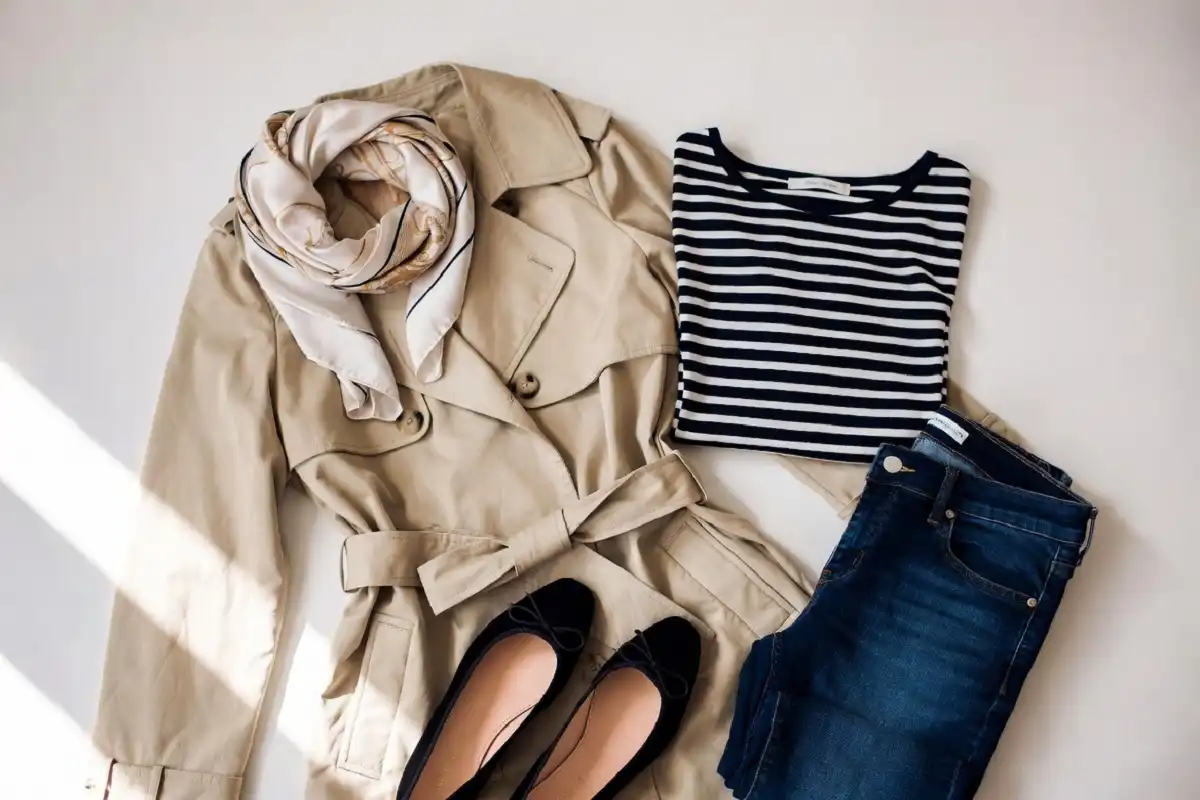
A striped Breton top is practically a symbol of the style, alongside crisp white shirts and fine-knit sweaters. These layer easily and pair with almost anything.
Bottoms
Well-fitted dark jeans, tailored trousers, and a simple A-line skirt cover most occasions. Fit matters more than brand here.
Outerwear
A classic trench coat and a structured blazer instantly elevate an outfit. Both work across seasons and dress up casual basics.
Shoes and Accessories
Ballet flats, ankle boots, and clean white sneakers are reliable choices. A quality leather bag and a silk scarf finish the look without clutter.
Men can apply the same logic with timeless tailoring and quiet color palettes. Those exploring classic menswear may enjoy our look at 70s styles men still love now and these 90s looks every guy should know.
Color and Fabric Choices
Color discipline keeps the French look cohesive. A neutral base lets each piece work with the rest of your closet.
When building your palette, lean toward:
- Black, white, navy, beige, and grey as core shades.
- One or two accent colors used sparingly.
- Natural fabrics like cotton, wool, linen, and silk.
Natural materials tend to age better and feel more comfortable, which fits the quality-first mindset. Museums such as The Metropolitan Museum of Art document how fabric and tailoring shaped fashion history, offering rich context for anyone curious.
How to Style the Look Day to Day
Wearing this style is mostly about simplicity and fit. Start with a neutral base, then add one detail that feels personal.
Easy everyday combinations include:
- A Breton top with dark jeans and ballet flats.
- A white shirt under a blazer with tailored trousers.
- A simple dress layered with a trench coat for cooler days.
The trick is to keep accessories minimal and let the clothes speak. A scarf, a watch, or a single piece of jewelry is usually enough. If you have specific styling questions, our biggest style questions answered covers common dilemmas.
Building the Style on Any Budget
You do not need designer labels to capture this aesthetic. The approach is more about choices than spending.
Smart ways to start include:
- Buy fewer items but choose better fabrics and fit.
- Shop secondhand for quality coats and leather goods.
- Tailor pieces you already own for a sharper fit.
- Stick to a neutral palette so everything coordinates.
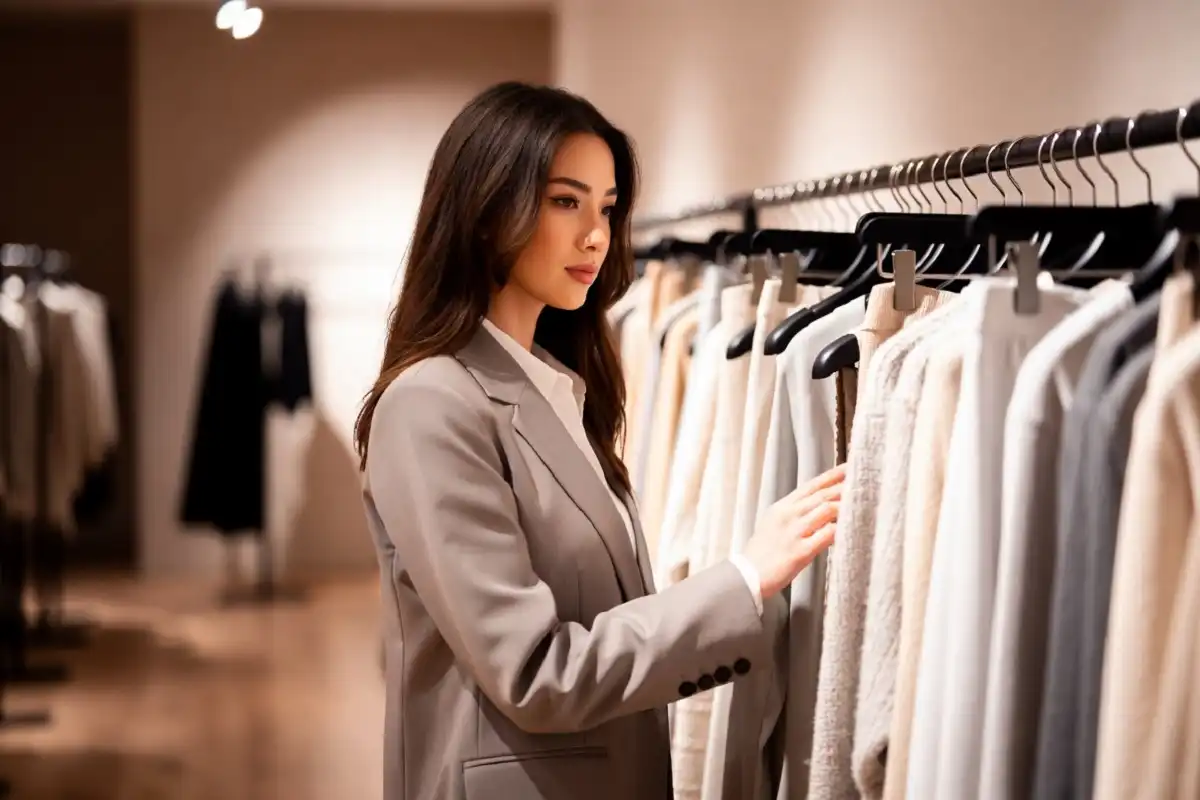
This thoughtful method works for the whole family too. Parents shopping for children can apply similar logic, as covered in our parent’s kids style guide. For broader cultural background, Vogue regularly explores how Parisian style continues to influence the wider industry.
FAQs
What makes French fashion different from other styles?
French fashion stands out for its focus on quality, simplicity, and timeless pieces rather than fast trends. The emphasis is on looking effortlessly polished with a small, versatile wardrobe.
What colors should I wear for a French look?
Neutral tones like black, navy, beige, white, and grey form the foundation. You can add one or two accent colors, but the base stays simple and easy to mix.
Do I need expensive clothes to dress this way?
No, the style is about smart choices rather than high spending. Buying fewer quality pieces, shopping secondhand, and tailoring items can achieve the look affordably.
What are the must-have pieces?
Key staples include a Breton striped top, a white shirt, dark jeans, tailored trousers, a trench coat, and a blazer. Ballet flats and a quality leather bag complete the basics.
Is this style only for women?
No, the same principles of fit, neutral colors, and timeless tailoring apply equally to men. Quiet, well-made pieces work across all wardrobes.
Conclusion
French fashion proves that great style does not require chasing every trend. By focusing on quality, neutral colors, and a few well-chosen pieces, anyone can build a wardrobe that looks polished and lasts for years. Start small, choose carefully, and let simplicity do the work. Ready to refine your own closet? Explore more practical advice on our blog, including our complete autumn style guide, and share this article with a friend who loves timeless style.