Introduction
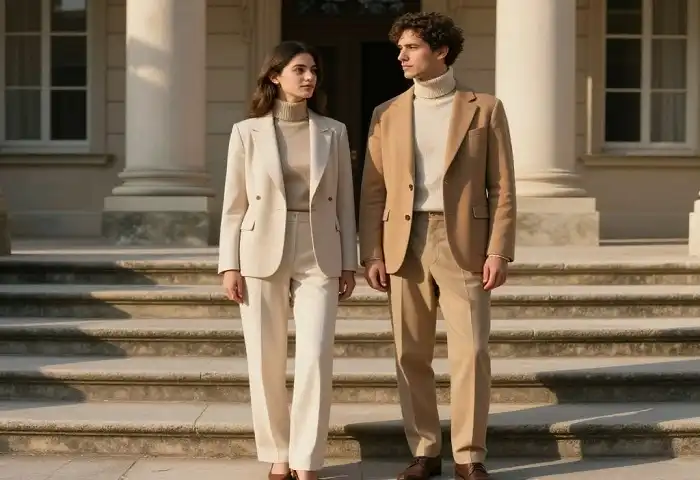
There is a kind of wealth that doesn’t announce itself — it simply is. That’s the essence of old money fashion, a style rooted in understated elegance, impeccable tailoring, and a quiet confidence that no price tag can manufacture.
Unlike flashy designer logos or trend-chasing fast fashion, old money fashion communicates class through restraint. It’s the aesthetic of inherited grace — blazers that fit perfectly, fabrics that feel luxurious, and colors that never shout. In 2024, this timeless look is more relevant than ever, fueled by the “quiet luxury” trend sweeping social media and runways alike.
This guide breaks down exactly what old money fashion is, the key wardrobe pieces you need, and how to build this aesthetic on any budget — because true style, as they say, is never about the money.
What Is Old Money Fashion, Really?
Old money fashion is a style philosophy, not just a wardrobe. It draws from the aesthetics of European and American aristocracy — families whose wealth spans generations and who have no need to prove it through flashy displays.
Think of the Kennedy family, British royals, or characters from Succession and The Great Gatsby. Their style is defined by:
- Restraint over excess — no loud logos, no over-the-top branding
- Quality over quantity — fewer pieces, better fabrics
- Timelessness over trends — nothing that looks dated in five years
- Fit above everything — tailoring is non-negotiable
This is why old money fashion differs so sharply from “new money” aesthetics, which often rely on visible luxury branding and maximalist styling to signal wealth.
For a fascinating look at how classic wealth aesthetics have shaped fashion through history, our deep dive into Rococo fashion history, style, and its modern revival draws striking parallels to the old money ethos.
The Core Wardrobe Pieces of Old Money Fashion
1. The Tailored Blazer — Your Non-Negotiable Foundation
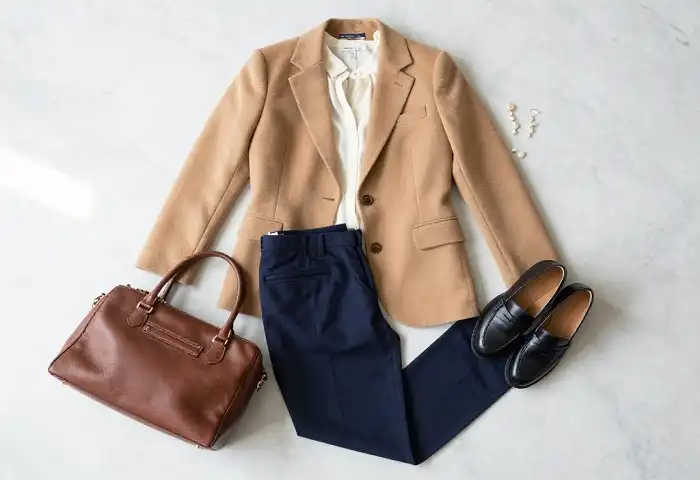
No single piece defines old money fashion more than the perfectly tailored blazer. Whether it’s a heritage tweed, a classic navy wool, or a cream linen cut for summer — the blazer is the cornerstone.
What to look for:
- Structured shoulders with a clean silhouette
- Natural fabrics: wool, linen, cashmere blends
- Neutral palette: navy, camel, cream, forest green, charcoal
- Subtle details: horn buttons, welt pockets, a clean lining
How to style it: Over a crisp white Oxford shirt with chinos and loafers for men. Over a silk blouse with tailored trousers and ballet flats for women. Keep it simple — the blazer does the talking.
2. Cashmere and Fine Knitwear — Luxury You Can Feel
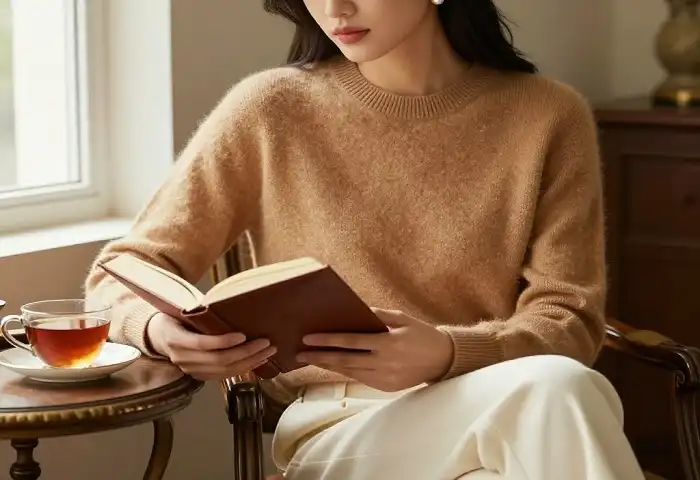
Old money fashion devotees understand that the most luxurious fabrics are felt, not seen. A cashmere crewneck or a fine merino turtleneck signals refinement far more effectively than any logo-covered hoodie.
Key knitwear pieces:
- Cashmere crewneck sweaters (camel, ivory, navy)
- Fine merino turtlenecks
- Cable-knit sweaters in neutral tones
- Argyle or subtle-pattern cardigans
Pro tip: Invest in one or two genuinely high-quality cashmere pieces rather than multiple budget options. Brands like Uniqlo’s cashmere line or Scottish heritage labels offer quality at various price points.
3. Tailored Trousers and Chinos — The Bottom Half Matters
In old money fashion, the trousers are as important as the top. Baggy jeans and athleisure bottoms have no place here — instead, think perfectly pressed trousers with a clean drape.
What to wear:
- High-waisted wide-leg trousers in cream, ivory, or camel
- Slim-cut chinos in khaki, olive, or navy
- Wool trousers with a subtle pleat for men
- Pleated culottes or midi skirts for women
Fit is everything. Even an inexpensive pair of trousers tailored to your exact measurements will outclass designer pieces that don’t fit properly.
4. Classic Outerwear — The Coat That Completes Everything
A great coat is one of the most important investments in old money fashion. The right outerwear communicates everything about your aesthetic before you even walk into a room.
Top choices:
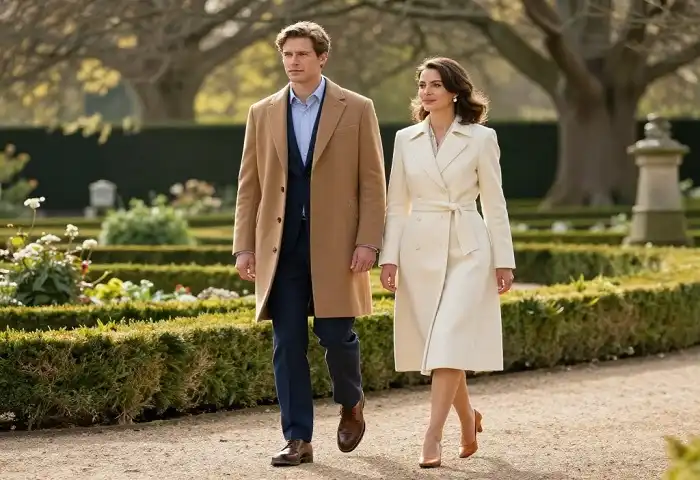
- Camel wool overcoat — the single most iconic old money outerwear piece
- Navy pea coat — nautical heritage, endlessly refined
- Trench coat in classic beige — Burberry’s blueprint that never ages
- Tweed country jacket — perfect for rural-aristocratic styling
Where to find them: Vintage shops, heritage brands (Burberry, Aquascutum, Barbour), and department store basics sections often hide excellent options.
5. Heritage Footwear — Shoes That Tell a Story
Old money fashion shoes are chosen for craftsmanship, comfort, and longevity — not trend cycles. These are shoes meant to be worn for decades and resoled, not replaced every season.
Essential styles:
- Penny loafers — the ultimate old money shoe
- Oxford brogues in tan or dark brown leather
- Ballet flats in black or nude
- Riding boots with clean, minimal detailing
- Boat shoes for casual, coastal styling
- Driving loafers in supple leather
Care tip: Invest in quality shoe trees and leather conditioner. Proper maintenance makes well-made shoes last a lifetime.
The Old Money Fashion Color Palette
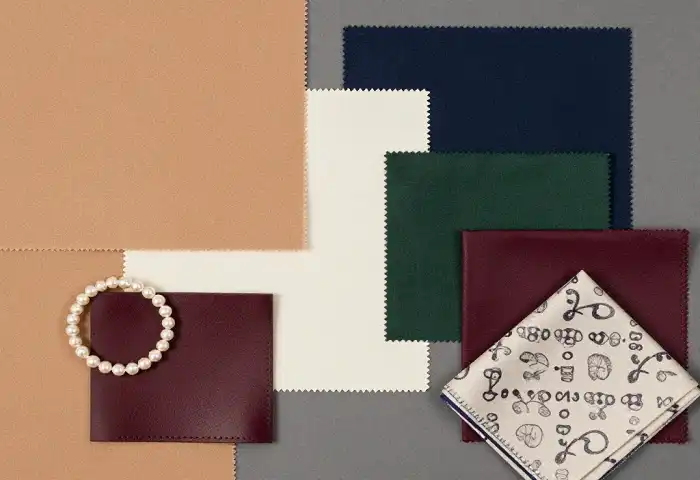
Color choice is where old money fashion separates itself most visibly from other aesthetics. The palette is deliberately muted, sophisticated, and nature-inspired:
Core colors:
- Camel and tan — the signature old money neutral
- Cream and ivory — clean without being stark white
- Navy blue — heritage, authoritative, versatile
- Forest green and olive — countryside aristocracy
- Burgundy and wine — rich without being loud
- Charcoal and grey — business-ready sophistication
- Soft blush and dusty rose — feminine without being sweet
Colors to avoid:
- Neon or electric tones
- Heavy pattern mixing
- Anything that requires a second look to understand
The rule is simple: if it demands attention, it’s not old money fashion.
Old Money Fashion Accessories — The Details That Define It
Accessories in old money fashion are chosen with intention and worn with understatement. They add depth and refinement without competing for attention.
Jewelry:
- Pearl earrings or necklaces
- Simple gold stud earrings
- A classic watch (think Rolex, Cartier, or a vintage timepiece)
- Thin gold bangles or bracelets
- Signet rings — a heritage classic
Bags:
- Structured leather totes or satchels
- Classic equestrian-inspired bags
- Wicker or rattan for summer
- No logo-heavy pieces
Scarves and belts:
- Silk neck scarves (Hermès DNA, but the style, not the label)
- Classic leather belts with modest buckles
- Cashmere plaid scarves for autumn
The way old money fashion uses accessories as signals of quiet confidence is explored beautifully in this breakdown of how fashion icons dress to impress with 7 key style rules.
Old Money Fashion vs. Quiet Luxury — What’s the Difference?
These two terms are often used interchangeably, but there are subtle distinctions:
| Feature | Old Money Fashion | Quiet Luxury |
|---|---|---|
| Origin | Aristocratic heritage, generational wealth | Contemporary minimalist luxury trend |
| Brands | Heritage (Ralph Lauren, Burberry, Brooks Brothers) | Designer minimalist (The Row, Loro Piana, Brunello Cucinelli) |
| Vibe | Countryside estates, sailing clubs, Ivy League | Urban, editorial, fashion-forward |
| Price Point | Can be achieved affordably via thrift/vintage | Often skews very expensive |
| Logo presence | Absolutely none | Minimal to none |
Old money fashion has the deeper roots — but quiet luxury is its modern, urban evolution. Both share a commitment to quality, restraint, and timeless dressing.
How to Build an Old Money Wardrobe on Any Budget
The good news: old money fashion is one of the most budget-friendly aesthetics to replicate, because it’s built on classic basics, not seasonal trends.
Strategy:
- Thrift and vintage first — charity shops and consignment stores are full of quality wool blazers, cashmere sweaters, and leather shoes at a fraction of retail
- Invest in one hero piece per season — a great coat, a cashmere sweater, or quality shoes
- Learn basic tailoring or find an affordable local tailor — fit transforms everything
- Shop heritage brands on sale — Marks & Spencer, J.Crew, Banana Republic, and Ralph Lauren regularly discount timeless basics
- Prioritize fabric over brand — wool, cotton, linen, silk, and cashmere always look and feel more expensive than synthetics
For smart sourcing strategies whether you’re building a vintage-inspired wardrobe or shopping wholesale, FashionGo’s 7 proven steps to source fashion fast offers practical advice worth bookmarking.
Real-World Old Money Fashion Inspiration
Looking for living examples of old money fashion done flawlessly? Look no further than:
- Kate Middleton (Princess of Wales) — A masterclass in old money fashion through her consistent use of tailored coats, heritage tweed, and understated jewelry. Her style is royal without ever feeling overdressed.
For a full breakdown of her most iconic looks, Kate Middleton’s 7 most iconic fashion moments is essential reading for anyone studying this aesthetic.
- Ralph Lauren — The brand is essentially a love letter to American old money fashion, from its polo shirts to its Purple Label tailoring
- Carolyn Bessette-Kennedy — The defining icon of American old money fashion minimalism in the 1990s
- The cast of Succession — Costume designer Michelle Matland built an entire visual language of old money fashion for the show that became a style reference worldwide
For a broader historical perspective on how aristocratic fashion has shaped today’s style movements, Wikipedia’s overview of preppy fashion traces the cultural roots of the old money aesthetic beautifully.
Old Money Fashion for Men — The Essential Looks
Old money fashion men’s style has its own distinct wardrobe checklist:
- Oxford or OCBD shirts in white, light blue, or subtle stripe
- Chinos or wool trousers in khaki, olive, navy, or grey
- Polo shirts (worn without irony, always well-fitted)
- Tweed or herringbone blazers
- Penny loafers or Oxford brogues
- V-neck or crewneck sweaters in heritage colors
- A great watch — the one non-clothing luxury that old money men always invest in
For more on how men’s classic style has evolved through the decades, our guide on 1920s men’s fashion and the Roaring Twenties style traces the lineage of tailored menswear that feeds directly into the old money aesthetic.
For women, the old money fashion formula includes midi skirts, silk blouses, structured handbags, and a uniform commitment to understated dressing. Vogue’s guide to quiet luxury and the old money aesthetic covers the women’s angle in depth.
FAQ Section
Q1: What exactly is old money fashion?
Old money fashion is a style aesthetic rooted in understated elegance, quality fabrics, and timeless dressing. It draws from the wardrobes of generational wealth — aristocratic families, Ivy League culture, and European nobility — and is defined by restraint, perfect tailoring, and a complete absence of visible branding. It’s about looking effortlessly refined rather than obviously expensive.
Q2: How is old money fashion different from fast fashion?
Old money fashion is the philosophical opposite of fast fashion. Where fast fashion chases trends and prioritizes low cost, old money style invests in fewer, higher-quality pieces that last for years or decades. The goal is building a timeless wardrobe, not keeping up with every seasonal trend.
Q3: Can I achieve the old money fashion look on a budget?
Absolutely. Old money fashion is actually one of the most affordable aesthetics to achieve because it avoids logo-heavy designer pieces in favor of classic basics. Thrift stores, vintage shops, and heritage brands like J.Crew or Marks & Spencer are excellent sources. The biggest investment is in fit — a good tailor transforms even inexpensive pieces.
Q4: What are the best brands for old money fashion?
Classic old money fashion brands include Ralph Lauren, Brooks Brothers, Burberry, Barbour, J.Crew, L.L. Bean, and Uniqlo for basics. For investment pieces, Loro Piana, The Row, and Brunello Cucinelli represent the pinnacle of the quiet luxury end of the aesthetic.
Q5: What colors define old money fashion?
The old money fashion color palette is built around neutrals: camel, cream, ivory, navy, forest green, burgundy, charcoal, and soft blush. The rule is that no single color should demand attention — every piece should blend harmoniously into a quietly refined whole.
Q6: Is old money fashion only for women?
Not at all. Old money fashion has a rich tradition in men’s wardrobes through Ivy League style, country club dressing, and classic tailoring. Key men’s pieces include Oxford shirts, wool blazers, chinos, penny loafers, and cashmere sweaters — all of which are fundamental to the aesthetic.
Conclusion
Old money fashion is not about what you spend — it’s about what you know. It’s the understanding that quality outlasts quantity, that fit matters more than labels, and that true elegance never needs to raise its voice.
From the tailored blazer that anchors every outfit to the cashmere sweater that makes any day feel refined, the wardrobe principles of old money fashion are as practical as they are beautiful. And the best part? You can build this aesthetic at any budget, at any age, in any city.
Ready to embrace quiet luxury? Start with one hero piece — a perfectly fitted blazer or a quality cashmere knit — and let the philosophy of old money fashion slowly transform your entire wardrobe.