Introduction
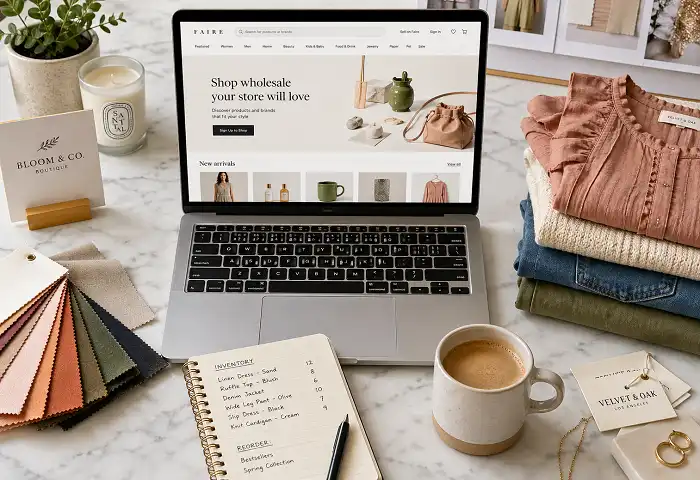
FashionGo is the largest online B2B wholesale fashion marketplace in the United States, connecting independent retailers with thousands of verified vendors under one platform. This guide covers everything from account setup and vendor discovery to ordering, returns, and growing your retail business using FashionGo. Whether you’re opening a boutique or restocking shelves, this is your full walkthrough.
Quick Answer: FashionGo is a free-to-join B2B wholesale platform where registered retailers buy apparel, accessories, and footwear directly from manufacturers and distributors. You browse vendor showrooms, place wholesale orders with minimum order quantities (MOQs), and receive merchandise shipped from vendors. It’s designed for boutique owners, online resellers, and small-to-mid retailers.
What Is FashionGo and Who Is It For?
FashionGo is a business-to-business (B2B) wholesale marketplace, not a retail store. It launched in 2002 and is owned by NHN Global, a technology company based in Los Angeles.
The platform serves two groups:
- Retailers and boutique owners who need to source wholesale inventory
- Vendors and manufacturers who want to reach independent buyers nationwide
If you run a clothing boutique, an online fashion store, or a pop-up shop, FashionGo gives you access to thousands of vendors you’d otherwise have to find at trade shows like MAGIC or LA Market Week.
It is not for individual consumers. You must have a valid business license to register.
How FashionGo Works: The Basic Model
Each vendor on FashionGo operates their own digital showroom. You browse products by category, filter by price point, MOQ, or style, then place orders directly with vendors.
FashionGo itself does not hold inventory. It processes payments and facilitates the transaction, but vendors ship orders independently. This means lead times and shipping policies vary by vendor.
Payment runs through FashionGo’s centralized checkout system, which adds a layer of buyer protection compared to wiring money directly to a supplier.
How to Register on FashionGo (Step-by-Step)
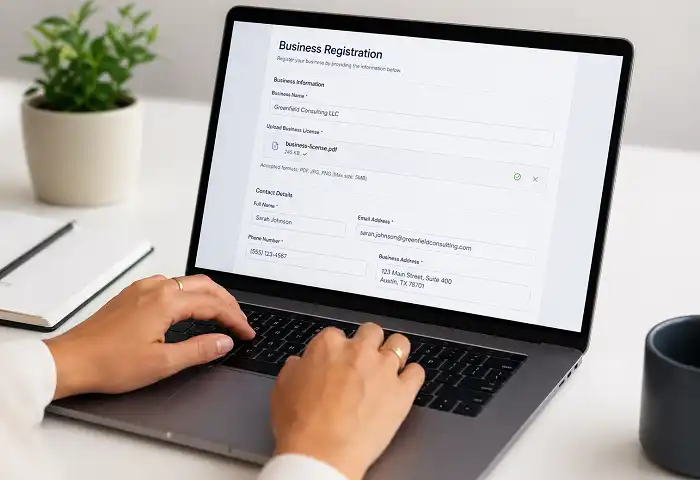
Registration is free for buyers. Here’s how it works:
- Go to fashiongo.net and click “Sign Up.”
- Select “Retailer” as your account type.
- Enter your business name, business address, and contact information.
- Upload your seller’s permit, business license, or EIN documentation. FashionGo verifies all accounts manually.
- Wait for approval. Most accounts are approved within 1 to 2 business days.
- Once approved, you can browse, save favorites, and place orders immediately.
You cannot place orders on a pending account. Submit accurate business documents to avoid delays.
Navigating the FashionGo Platform
Once you’re inside, the platform is organized into several key sections:
Categories cover women’s apparel, men’s apparel, kids, accessories, footwear, and home goods. Each category has subcategories like tops, dresses, denim, or activewear.
New Arrivals updates daily. Many boutique buyers check this section first to stay ahead of trends.
Brand Directory lists verified vendors with their ratings, response time, and order minimums. Always check a vendor’s rating before placing a first order.
Trade Show is FashionGo’s virtual show feature that mirrors in-person market events. You can view curated collections from participating vendors without traveling to LA or Las Vegas.
The search bar supports keyword filtering, price ranges, and style tags. Use it to narrow down by fabric, silhouette, or occasion type.
Understanding Minimum Order Quantities (MOQs)
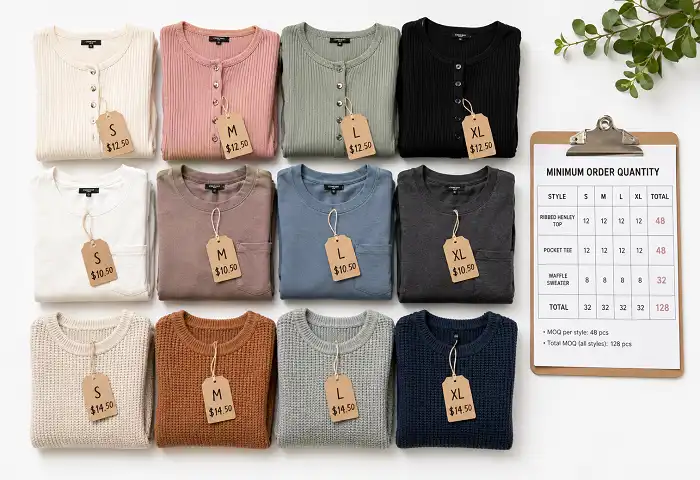
Every vendor sets their own MOQ. This is the minimum dollar amount or unit count you must hit to complete a purchase.
Common MOQ structures on Fashion Go:
- Per style: You must order a minimum number of units of one specific item (e.g., 6 units per style).
- Per order: Your cart must reach a dollar threshold across any mix of products.
- Pre-pack only: Some vendors ship pre-assorted size runs (S/M/L/XL) rather than letting you choose individual sizes.
Pre-packs are common in women’s fast fashion categories. If your customer base runs small, buying a pre-pack with multiple XL units can hurt your sell-through. Always check the size breakdown before ordering a pre-pack.
For boutique owners just starting out, look for vendors with low per-order MOQs (under $100) to test styles before committing to larger quantities. If you’re also researching fast fashion sourcing models, understanding how vendors structure MOQs helps you evaluate risk per order.
Pricing, Markups, and Profit Margins
FashionGo displays wholesale prices. Your retail price should reflect a keystone markup at minimum, meaning you double the wholesale cost.
A typical Fashion Go dress might wholesale for $14 to $22. At keystone, that retails for $28 to $44. Boutiques in higher-income markets often apply 2.5x to 3x markup on trending styles.
FashionGo charges vendors a platform fee, which is already baked into the wholesale prices you see. As a buyer, there are no subscription fees. However, Fashion Go does offer a premium buyer membership called FashionGo Credit that provides net-30 payment terms, letting you receive inventory before payment clears.
Net-30 terms are useful for cash flow, but treat them like any line of credit. Only use them when you have a clear sell-through plan.
How to Evaluate Vendors Before Ordering
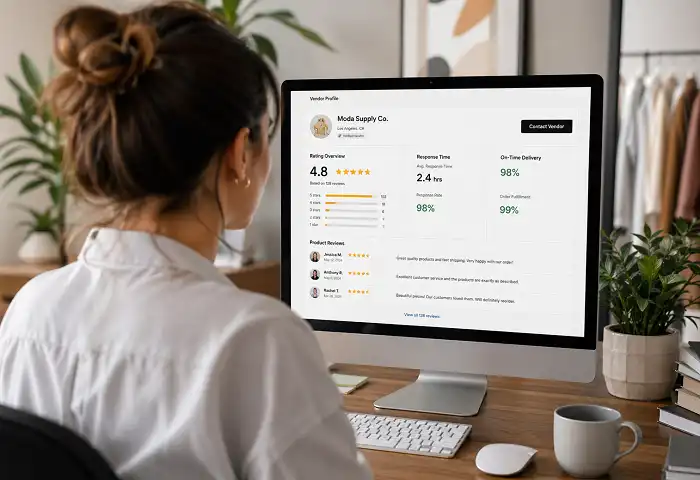
Not every vendor on FashionGo ships consistent quality. Here’s how to filter wisely:
Check the vendor rating. FashionGo shows ratings based on order accuracy, shipping speed, and buyer reviews. Stick with 4-star and above vendors for first orders.
Look at their response time. Vendors with fast response times communicate better when issues arise.
Read product reviews. Individual product listings show buyer feedback. Pay attention to comments about fabric quality and sizing accuracy.
Request samples if possible. Some vendors allow sample orders at wholesale price. One sample unit before a bulk order saves you from a bad inventory bet.
Verify the vendor’s location. LA-based vendors typically ship faster to US buyers than overseas vendors also listed on the platform.
Building your retail inventory well depends on sourcing partners you can rely on. Developing a strong fashion brand supply chain starts with vetting vendors at the ordering stage.
Placing and Managing Orders
Once you find a product you want:
- Select your sizes and quantities.
- Add to cart. You can mix products from multiple vendors.
- At checkout, each vendor’s order processes separately. Shipping fees are calculated per vendor.
- Complete payment through FashionGo’s system.
- Track order status under My Orders in your dashboard.
Fashion Go sends email confirmations per vendor order. Keep these organized because returns and disputes reference the order number.
Shipping and Lead Times
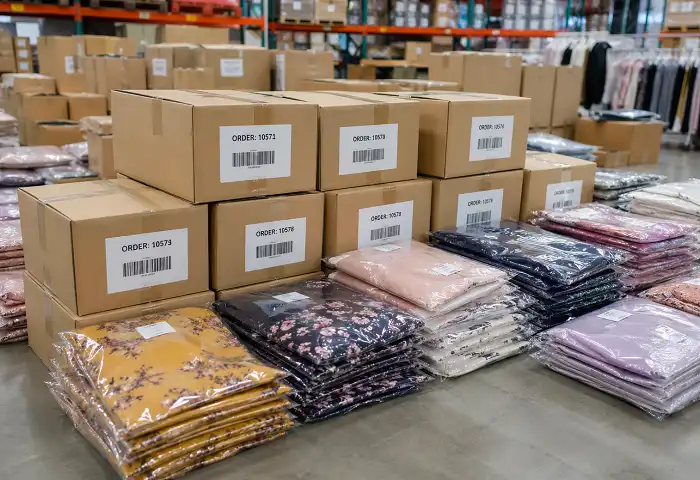
Fashion Go does not control shipping. Each vendor ships from their own warehouse.
Typical lead times from LA-based vendors: 3 to 7 business days.
Vendors shipping from overseas or fulfilling pre-orders may take 2 to 6 weeks. Always check the vendor’s estimated ship date listed on the product page, especially during peak periods like LA Market Week or holiday seasons.
FashionGo’s platform shows an “In Stock” or “Pre-Order” status on each listing. Pre-orders are produced after you place the order, so lead times are longer.
If you’re planning inventory around a seasonal push, like fall trends, order 6 to 8 weeks in advance for pre-order items.
Returns and Disputes on FashionGo
Fashion Go’s return policy sits between you and the vendor. Most vendors do not accept returns on wholesale orders unless:
- The item arrived damaged or defective
- You received the wrong item or wrong size
If you receive a damaged order, document it immediately with photos and contact the vendor within 48 to 72 hours. Fashion Go’s buyer protection covers disputes where the vendor sent incorrect or damaged goods.
General “I didn’t like it” returns are not accepted. This is standard in wholesale. Ordering samples first reduces this risk significantly.
For billing disputes, Fashion Go’s support team handles escalations if a vendor is unresponsive.
FashionGo for Online Boutique Owners
Fashion Go works particularly well for Amazon fashion resellers and independent boutique owners selling through Shopify, WooCommerce, or social commerce channels.
The platform’s trend-forward inventory rotates quickly. New vendor uploads happen daily, which keeps product selections fresh.
A few practical tips for online boutique use:
- Save vendor showrooms you trust. This speeds up reorder decisions.
- Use the Favorites list to build a shortlist before finalizing your cart.
- Watch New Arrivals every Monday. Most vendors refresh at the start of the week.
- Order small to start. Test a new vendor with one style in one color before placing a full seasonal buy.
FashionGo vs. Other Wholesale Platforms
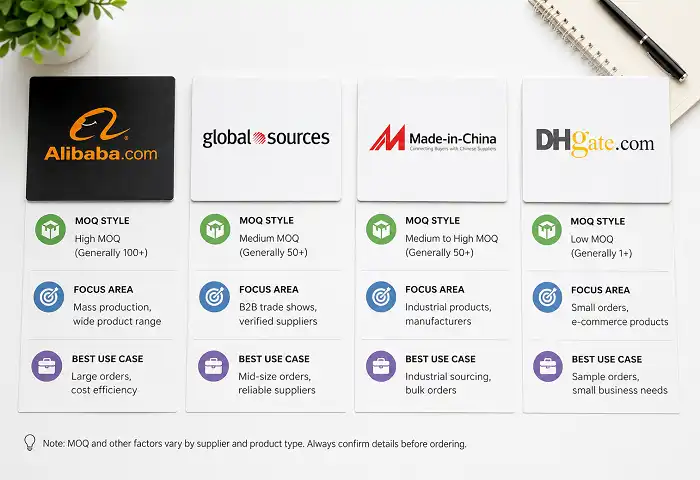
Fashion Go competes with platforms like Faire, Tundra, and LA Showroom. Here’s how they differ:
| Platform | Best For | MOQ Style | Focus |
|---|---|---|---|
| FashionGo | Apparel & accessories | Per style / per order | Fashion-specific |
| Faire | Home goods, boutique gifts | Per brand | Lifestyle retail |
| Tundra | General merchandise | Varies | Broad categories |
| LA Showroom | Apparel | Per style | Premium/contemporary |
Fashion Go wins on fashion depth. If your store is apparel-focused, no other platform matches its vendor count or category breadth in women’s and contemporary fashion.
Common Mistakes New Buyers Make on FashionGo
Ordering too much too soon. New buyers overbuy on their first order. Start with lower quantities per style across more styles to test what sells.
Ignoring vendor ratings. A low-rated vendor at an attractive price point often costs you more in problems than you save on the wholesale price.
Missing pre-order ship dates. Pre-order ship dates slip. Build a 2-week buffer into any time-sensitive inventory plan.
Skipping the size chart. Fashion Go vendors often run small. Always check the vendor’s size chart against your customer base before finalizing quantities.
Not tracking sell-through by vendor. Record which vendors’ styles sell fastest. Reordering from proven vendors is safer than constantly testing new ones.
Is FashionGo Worth It for Small Boutiques?
Yes, for most small boutiques in the US, Fashion Go is worth using. The free registration, buyer protection on payments, and depth of fashion-forward inventory make it a practical first stop for wholesale sourcing.
The platform is most valuable when you commit to learning it. Spend the first few weeks exploring vendor showrooms, saving favorites, and placing small test orders. Your sourcing instincts improve with experience.
If you stock lifestyle or non-fashion categories too, pair Fashion Go with a broader platform like Faire for those segments.
Conclusion
FashionGo is a straightforward wholesale marketplace once you understand how vendors, MOQs, and payment terms work. Register with your business credentials, evaluate vendors carefully before ordering, start with smaller test buys, and document any shipping issues immediately. The platform’s depth of fashion inventory makes it one of the most practical tools available to independent boutique owners sourcing apparel in the US.