Introduction
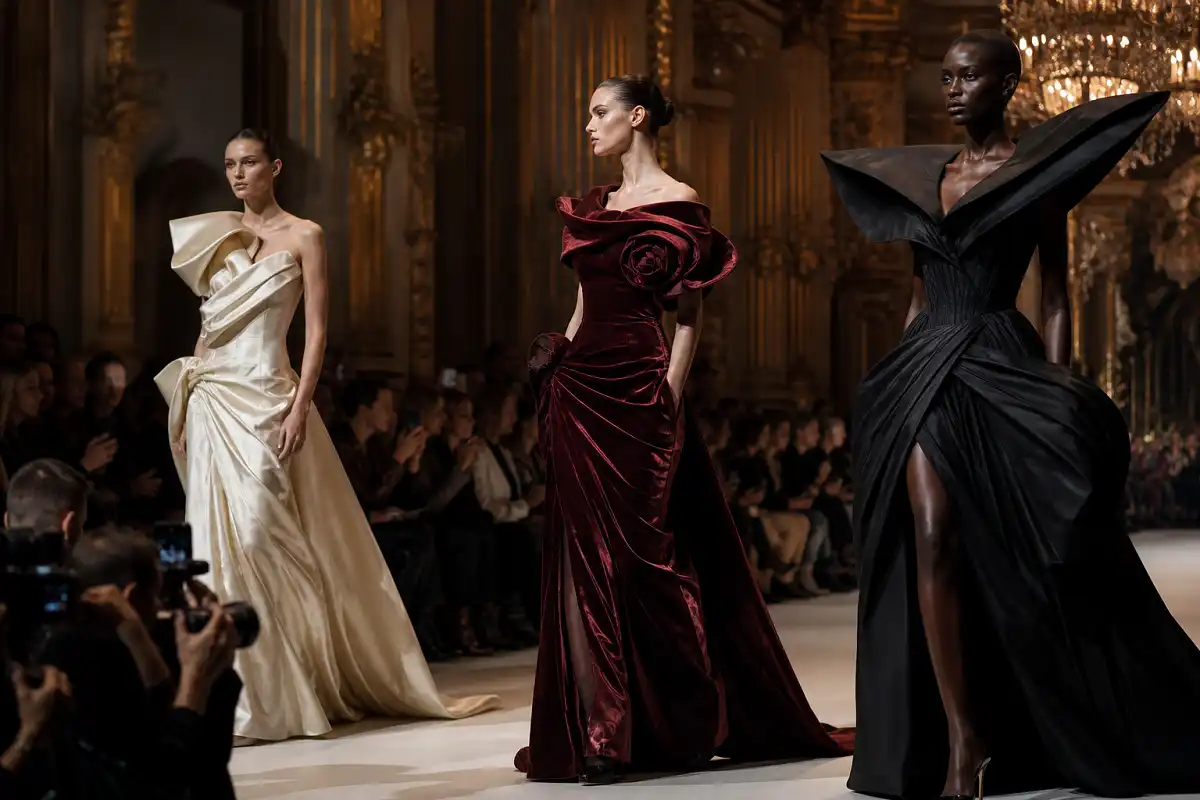
What separates a runway masterpiece from an ordinary outfit? The answer lies in the world of high fashion — a realm where creativity meets craftsmanship at the highest level. If you’ve ever watched a Paris Fashion Week livestream and wondered how those avant-garde looks translate to real life, this guide is for you.
In this article, we’ll break down exactly what high fashion means, trace its storied history, explore what makes it distinct from everyday clothing, and show you how its influence trickles down into the clothes you wear every day. Whether you’re a fashion enthusiast or just getting started, understanding high fashion will forever change the way you look at getting dressed.
What Is High Fashion?
High fashion — known in French as haute couture — refers to exclusive, custom-fitted clothing created by prestigious fashion houses and independent designers. Unlike fast fashion or ready-to-wear collections, high fashion garments are often one-of-a-kind or made in extremely limited quantities.
The term is also used more broadly to describe the elite tier of the fashion industry: the top designers, the most prestigious runways, and the aesthetic standards that shape global style trends for years to come.
Key Characteristics of High Fashion
- Handcrafted quality — each piece is made with exceptional skill and precision
- Premium materials — silk, cashmere, rare textiles, and custom fabrics
- Unique design — each piece reflects the designer’s artistic vision
- Limited availability — not mass-produced; often made to order
- High price point — a single garment can cost tens of thousands of dollars
A Brief History of High Fashion
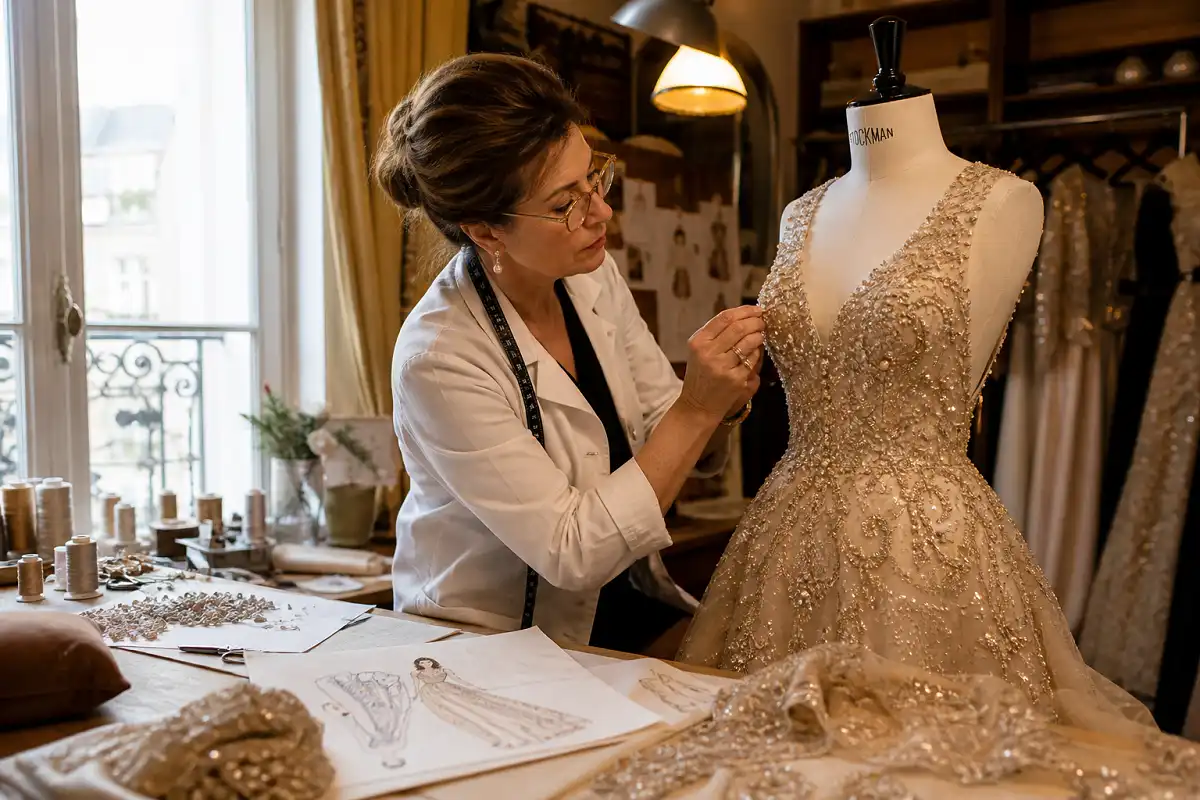
High fashion has roots in 19th-century Paris, where designer Charles Frederick Worth became the first couturier to place his name on his clothing. He established the concept of the fashion house and set the foundation for what we now call haute couture.
By the early 20th century, iconic names like Coco Chanel and Christian Dior had elevated Elite fashion into a global cultural force. The 1920s fashion era was particularly transformative — women’s silhouettes changed dramatically, and Elite fashion began influencing everyday dress in ways never seen before.
The post-war period brought Dior’s “New Look,” redefining femininity and cementing Paris as the capital of Elite fashion. Decades later, the 1980s pushed boundaries with bold shoulders and power dressing. If you want to explore that iconic decade, check out this guide to 80s fashion for men.
The Golden Age of Haute Couture
The mid-20th century was the true golden era of high fashion:
- Balenciaga revolutionized silhouette and structure
- Givenchy brought elegance to a new generation
- Yves Saint Laurent bridged couture and ready-to-wear
- Valentino became synonymous with red-carpet glamour
High Fashion vs. Everyday Fashion: What’s the Difference?
Many people confuse high fashion with expensive clothing. But price is just one piece of the puzzle.
| Feature | High Fashion | Everyday Fashion |
|---|---|---|
| Production | Handmade, limited | Mass-produced |
| Material | Luxury, custom | Standard, accessible |
| Design intent | Artistic statement | Wearability first |
| Price | $5,000–$500,000+ | $10–$500 |
| Availability | Made to order | Retail stores |
High fashion is fundamentally about artistic expression. It’s the fashion world’s equivalent of museum art — designed not just to be worn, but to be experienced and remembered.
How High Fashion Influences What You Wear
Even if you’ve never bought a designer piece, high fashion shapes your wardrobe more than you think. Here’s how:
1. The Trickle-Down Effect
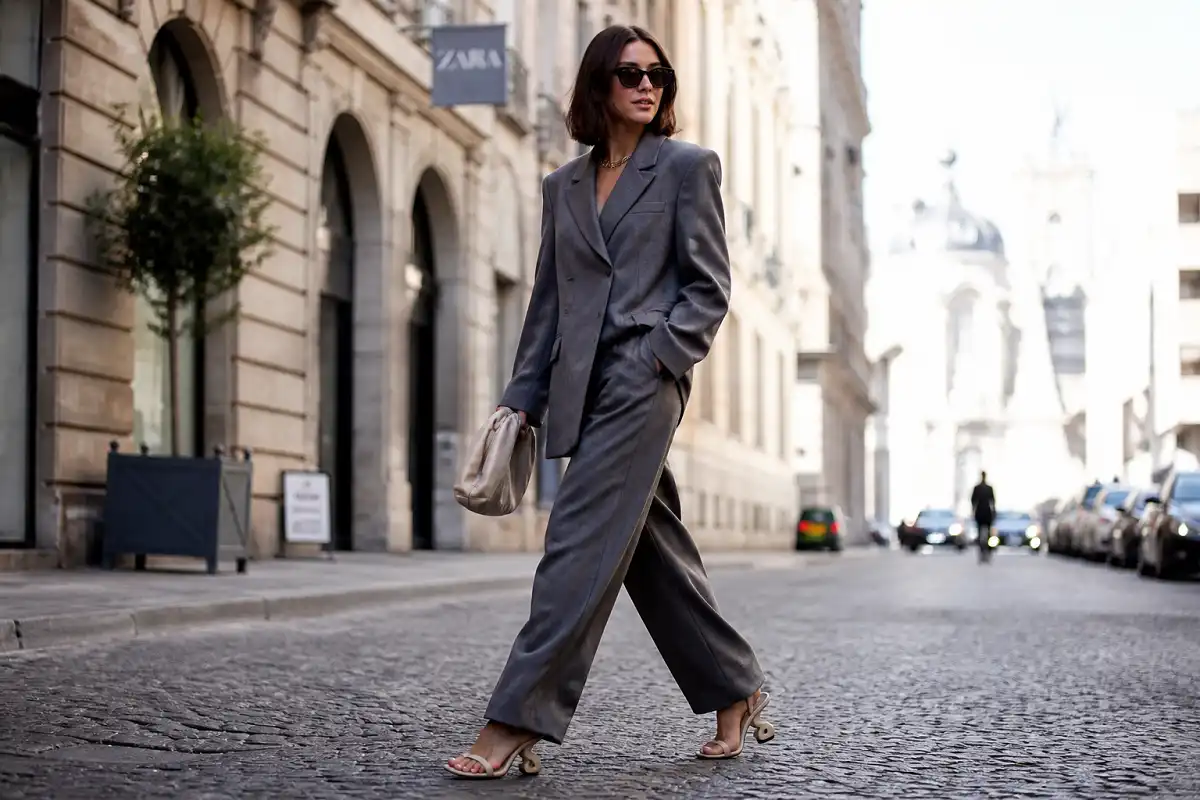
Trends born on the Elite fashion runway eventually filter down to mainstream retailers — sometimes within the same season. That “vintage-inspired” dress at your favorite store? It likely traces back to a Elite fashion collection from months prior.
2. Color Forecasting
Pantone’s annual Color of the Year is heavily influenced by what Elite fashion designers feature in their collections. When Valentino goes all-pink, expect pink everywhere by next summer.
3. Silhouette Shifts
The oversized blazer trend, the return of wide-leg trousers, the resurgence of corsets — all of these were introduced on Elite fashion runways before reaching the high street.
4. Cultural Moments
When a royal like Kate Middleton steps out in a designer look, it becomes a Elite fashion moment that instantly influences search trends, sales, and mainstream style. Explore how royals shape style in this breakdown of Kate Middleton’s most iconic fashion moments.
The World’s Top High Fashion Houses
Several fashion houses have defined what high fashion means across generations:
- Chanel — timeless elegance, the iconic tweed suit
- Dior — feminine silhouettes and couture excellence
- Balenciaga — avant-garde structure and bold experimentation
- Versace — maximalist glamour and bold prints
- Saint Laurent — edge, androgyny, and rockstar cool
- Givenchy — refined luxury with artistic edge
- Prada — intellectual, cerebral, and provocative
Each of these houses presents two collections per year (Spring/Summer and Fall/Winter) at major fashion weeks in Paris, Milan, New York, and London.
How to Incorporate High Fashion Into Your Style
You don’t need a six-figure budget to channel Elite fashion energy. Here’s how to do it smartly:
Invest in One Statement Piece
A single Elite fashion-inspired item — a sculptural bag, a tailored coat, or a pair of designer shoes — can elevate an entire look.
Study the Runway, Shop the High Street
Watch Elite fashion shows online (Vogue Runway is a great resource), identify the key trends, and find affordable versions from accessible brands.
Understand Style Rules — Then Break Them
High fashion thrives on rule-breaking, but you need to know the rules first. Start by reading about the core rules of iconic style — then experiment with subverting them with confidence.
Embrace Historical Influences
Many Elite fashion collections are inspired by history — from the ornate excess of Rococo fashion to the restrained elegance of old money aesthetics. Understanding these references makes you a more culturally informed dresser.
Quality Over Quantity
The Elite fashion philosophy values fewer, better pieces. Choose well-made garments that last over cheap pieces worn twice.
High Fashion and Cultural Identity
High fashion has always been deeply connected to cultural movements:
- The Roaring Twenties brought flapper dresses and dropped waists that symbolized women’s liberation
- The 1960s saw mod fashion challenge post-war conservatism
- The 1980s used power dressing to reflect women’s rising corporate presence
- The 2000s brought streetwear into Elite fashion, erasing the divide between luxury and urban culture
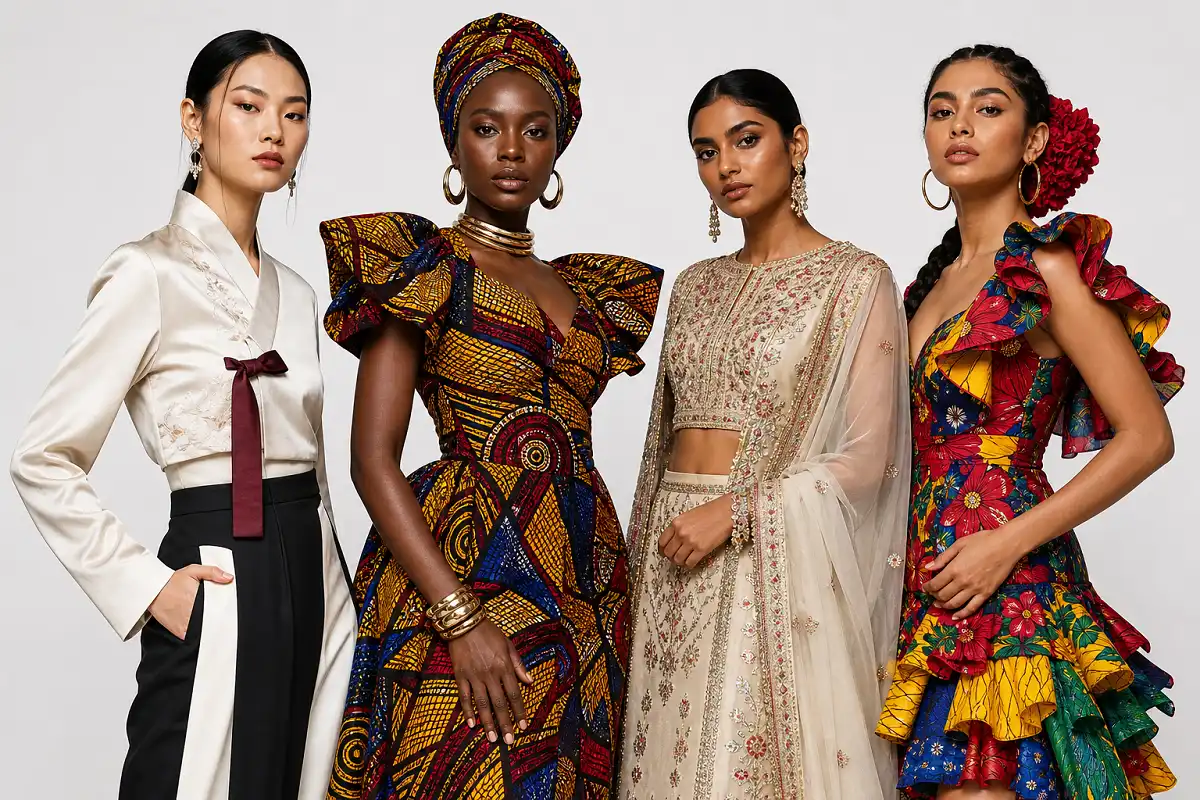
Today, Elite fashion is increasingly global — drawing inspiration from Korean street style (Acubi fashion is a great example), African textile traditions, South Asian embroidery, and Latin American artisanship.
Is High Fashion Accessible?
High fashion is becoming more democratic. Here’s how:
- Rental platforms like Rent the Runway allow you to wear designer pieces without buying them
- Resale markets (The RealReal, Vestiaire Collective) offer authenticated pre-owned Elite fashion
- Collaborations between luxury brands and mass retailers (e.g., H&M x Versace) bring Elite fashion DNA to wider audiences
- Virtual fashion weeks have made runway shows accessible to anyone with an internet connection
According to Vogue’s coverage of the global fashion industry, the definition of Elite fashion is evolving rapidly in the digital age — and accessibility is at the center of that conversation.
The Business of Fashion reports that the global luxury fashion market was valued at over $115 billion in 2023 and continues to grow, driven by both traditional consumers and a new generation of digitally native fashion enthusiasts.
Tips for Following High Fashion Trends on Any Budget
- Follow designers on Instagram and watch their runway shows for free on YouTube
- Subscribe to fashion publications like Vogue, Harper’s Bazaar, and WWD
- Thrift and vintage shop — many Elite fashion archives end up in secondhand stores
- Learn to identify quality fabrics and construction — it’ll help you shop smarter
- Mix investment pieces with fast-fashion finds strategically
FAQ: High Fashion
1. What does “high fashion” mean?
High fashion refers to the elite tier of the fashion industry — encompassing haute couture, luxury ready-to-wear, and the prestigious designers and fashion houses that define global style trends.
2. Is high fashion the same as haute couture?
Not exactly. Haute couture is a legal designation in France for custom, handmade clothing by certified houses. Elite fashion is a broader term that includes haute couture but also covers luxury ready-to-wear and influential designer collections.
3. Why is high fashion so expensive?
The cost reflects the craftsmanship involved — hours of hand-stitching, rare materials, bespoke fitting sessions, and the creative expertise of world-class designers. A single Elite fashion dress can require hundreds of hours to complete.
4. How does high fashion affect everyday clothing?
Elite fashion sets the trend agenda. Silhouettes, colors, and styling cues pioneered on luxury runways trickle down to mainstream retail within months, shaping what the average consumer wears.
5. Can I follow high fashion without spending a lot?
Absolutely. By studying runway shows, understanding key trends, shopping vintage, and investing strategically in a few quality pieces, you can embrace the spirit of Elite fashion on any budget.
6. Which cities are the capitals of high fashion?
Paris is the traditional capital of Elite fashion, followed closely by Milan, New York, and London. These four cities host the major fashion weeks that set global trends each season.
Conclusion
High fashion is far more than expensive clothing. It’s a living art form — one that reflects culture, challenges norms, and shapes the way the world gets dressed. From the golden age of Parisian couture to today’s global, digitally connected fashion landscape, Elite fashion continues to inspire, provoke, and elevate.
You don’t need a designer wardrobe to appreciate or be influenced by Elite fashion. Understanding its history, its mechanics, and its cultural significance gives you the tools to dress with more intention — and more style.