Introduction
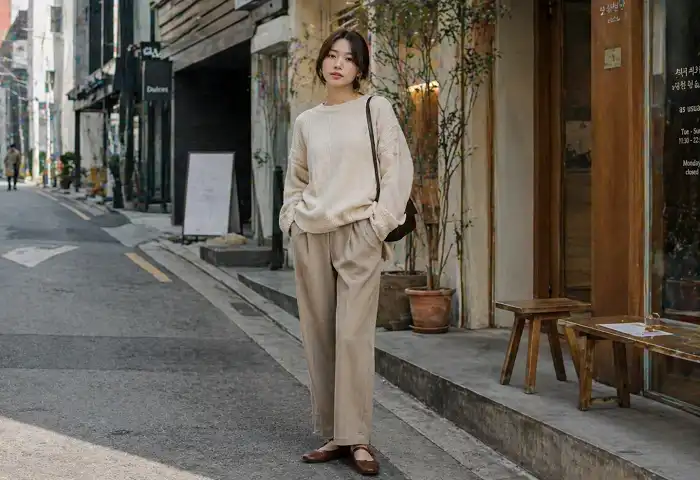
Acubi fashion is a South Korean minimalist aesthetic built on muted colors, oversized silhouettes, and a deliberately understated look that feels effortless yet intentional. This guide covers what acubi fashion is, where it originated, how to build the wardrobe from scratch, what to wear, and what mistakes to avoid.
Quick Answer: Acubi fashion is a Korean minimalist style defined by neutral tones (cream, beige, grey, washed black), relaxed or oversized fits, subtle layering, and a soft, faded visual palette. No bold logos, no loud patterns — just calm, clean, intentional dressing.
What Is Acubi Fashion?
Acubi fashion is a micro-aesthetic that gained global visibility through Pinterest and TikTok around 2022. The name connects to the Korean Instagram account @acubi.co, which first popularized this understated look.
The core idea: dress like you put in zero effort, but every piece is deliberately chosen. Think loose trousers, plain knitwear, worn-in textures, and muted earth tones throughout.
It sits somewhere between dark academia’s layered drama and quiet luxury’s polish — but strips away both the theatrics and the high price tags. Acubi stays calm and restrained.
Key Visual Characteristics of Acubi Style
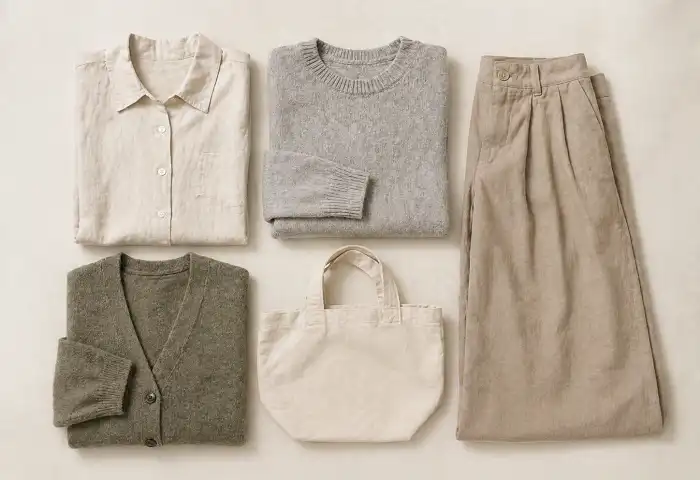
The acubi aesthetic is easy to recognize once you know what to look for:
- Color palette: Cream, off-white, grey, beige, dusty brown, soft olive, washed black
- Silhouette: Oversized tops, wide-leg or straight-leg trousers, loose cardigans
- Textures: Knit, cotton, linen, fleece, brushed fabric
- Fit: Nothing tight — everything hangs slightly loose on the body
- Layering: Thin underlayer topped with a heavier outer piece
The palette feels faded, like clothing that has been washed dozens of times. That worn-in quality is intentional, not accidental.
Where Acubi Fashion Comes From
Acubi draws from two clear sources: Korean school uniform culture and the broader global shift toward quiet fashion.
Korean school uniforms use clean cuts, neutral bases, and simple structure. Acubi takes that same foundation and loosens it — baggier, softer, more relaxed in every dimension. It also reflects a cultural move away from maximalism and loud branding that defined trends like bold 80s fashion for years.
Japanese normcore and the international “quiet luxury” conversation both fed into acubi’s rise. The result is an aesthetic that feels distinctly Korean in its softness.
How to Build an Acubi Wardrobe
Step 1: Lock In the Color Palette
Remove anything bright, saturated, or heavily patterned from consideration. Acubi only works when every piece stays within the neutral range:
- Off-white and cream tops
- Grey or beige wide-leg trousers
- Washed olive or dusty brown knitwear
If a piece carries a bold graphic or a bright color, it does not belong in acubi outfits.
Step 2: Get the Silhouettes Right
Sizing up is a core part of the aesthetic. A medium wearing a large or extra-large creates the relaxed drape acubi requires. Key pieces to own:
- Oversized crewneck sweaters
- Straight or wide-leg trousers (not skinny, not tapered)
- Loose button-down shirts in linen or cotton
- Boxy T-shirts in neutral tones
Avoid anything fitted, cropped, or heavily structured.
Step 3: Layer With Intention
Acubi layering is subtle — the goal is visual depth, not bulk. Combinations that work well:
- White long-sleeve under a cream knit vest
- Grey crewneck under a loose button-down shirt, left open
- Plain T-shirt under a heavy knit cardigan
Every layer should feel quiet. This is the opposite of how cyberpunk layering works — no technical fabrics, no contrast hardware.
Step 4: Choose the Right Footwear
Shoes can make or break the look. Acubi footwear options that fit:
- Mary Jane shoes — a signature piece of the aesthetic
- Simple loafers in brown or black leather
- Low-profile sneakers in white or grey
- Ballet flats in neutral tones
Avoid chunky streetwear sneakers or anything with visible heavy branding.
Step 5: Keep Accessories Minimal
No more than two or three accessories per outfit. Pieces that work within the aesthetic:
- Simple silver or gold rings
- Thin chain necklaces
- Plain canvas or leather tote bags
- Small clip-on hair accessories in neutral tones
No oversized jewelry, no visible logos, no statement bags.
Acubi Fashion for Women
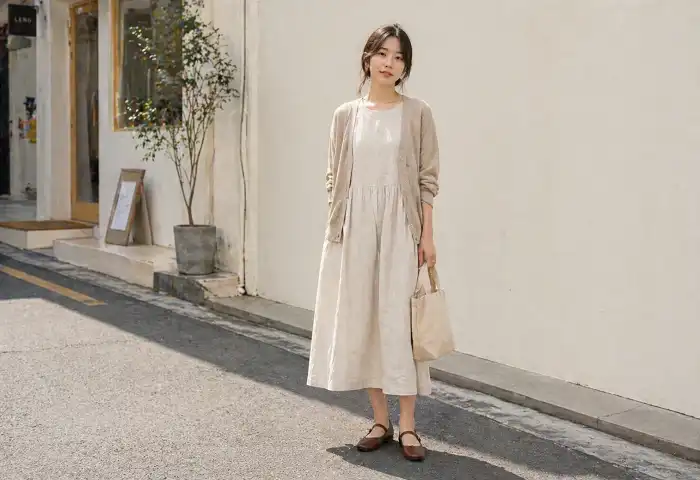
Women’s acubi leans into soft feminine details within the minimalist frame. Common outfit combinations:
- Pleated midi skirt in cream + oversized knit top
- Wide-leg trousers + tucked-in long-sleeve tee + loafers
- Loose linen dress layered with a thin knit cardigan
- Collared shirt + relaxed trousers + Mary Janes
The softness draws from Korean fashion sensibility — feminine without being overtly so.
Acubi Fashion for Men
Men’s acubi follows the same core principles. Outfit combinations that work:
- Cream crewneck + wide-leg grey trousers + leather loafers
- Washed linen shirt (open) over a plain white tee + straight-leg pants
- Heavy knit cardigan + simple turtleneck + relaxed trousers
Men’s acubi avoids standard streetwear markers completely. It shares more DNA with 90s men’s fashion minimalism than with current hype culture.
Where to Shop for Acubi Clothing
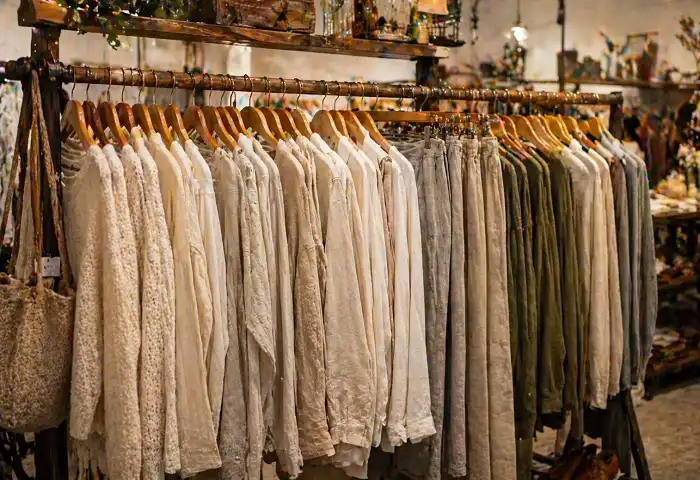
You don’t need a large budget to dress acubi. Good sources at every price point:
Thrift stores: Secondhand knitwear, linen shirts, and neutral trousers already carry the worn-in texture acubi needs. Thrifting is one of the best ways to build this wardrobe.
Korean fashion platforms: Musinsa, Stylenanda, and KREAM carry acubi-aligned pieces. Most offer international shipping.
Uniqlo and COS: Both consistently stock the neutral basics this style requires — particularly Uniqlo’s linen and cotton separates line.
ASOS and Zara: Filter by neutral tone during seasonal drops. Many pieces land in the right palette without heavy branding.
Per FTC guidance on endorsements in fashion content, influencer-driven acubi haul recommendations require clear disclosure — worth checking before treating any styled recommendation as unbiased.
Acubi vs. Similar Aesthetics
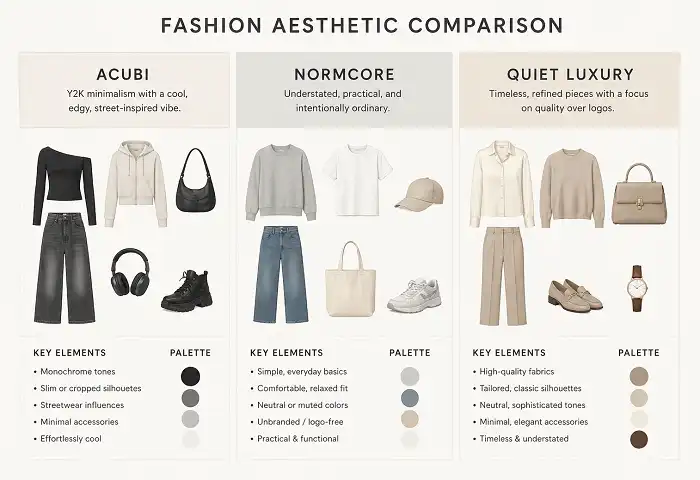
| Aesthetic | Palette | Silhouette | Key Difference |
|---|---|---|---|
| Acubi | Muted neutrals | Loose, oversized | Korean softness, worn-in quality |
| Normcore | Neutrals | Relaxed but structured | More American, less softness |
| Old Money | Neutrals, navy | Tailored | Formal, fitted |
| Dark Academia | Dark tones | Structured layers | Dramatic, literary mood |
| Quiet Luxury | Neutrals | Semi-fitted | Higher price point, more polish |
Acubi sits closest to normcore but adds a distinctly Korean softness and intentional faded quality that neither normcore nor quiet luxury prioritizes.
Ready-to-Use Acubi Outfit Formulas
These four formulas remove the guesswork from getting dressed in the style:
Formula 1 — Casual: Oversized cream knit + straight-leg beige trousers + white low-top sneakers
Formula 2 — Layered: White long-sleeve + grey knit vest + wide-leg trousers + loafers
Formula 3 — Feminine: Loose linen shirt dress + thin cardigan + Mary Janes + small canvas tote
Formula 4 — Smart Casual: Soft olive crewneck sweater + slim straight grey trousers + leather loafers
Each formula applies the same logic: muted palette, relaxed fit, minimal accessories.
Common Acubi Fashion Mistakes to Avoid
Too matchy-matchy. Wearing the exact same shade head to toe looks flat. Use different neutral tones within the palette to create depth.
Over-oversizing everything. If both the top and bottom are extremely oversized, the result reads sloppy rather than intentional. Balance one very loose piece with one slightly more fitted item.
Mixing in loud pieces. One bold graphic tee or brightly colored sneaker breaks the entire aesthetic. Every piece must stay within the palette and energy.
Skipping fabric quality. Since acubi is built on simplicity, the texture of each fabric becomes highly visible. Thin, low-quality fabric undermines the look.
Over-accessorizing. More than three accessories pushes the outfit into a different aesthetic entirely.
Caring for Acubi Wardrobe Pieces
Most acubi clothing uses natural or semi-natural fabrics — knit, linen, cotton. These need gentle handling:
- Wash knitwear inside-out on a cold, gentle cycle
- Lay knits flat to dry — hanging stretches the shape out
- Iron linen while slightly damp for a natural, soft finish
- Store loose pieces folded, not compressed or stacked tightly
The U.S. Consumer Product Safety Commission covers textile care labeling standards — useful when working with imported Korean pieces that use less familiar fabric blends.
Conclusion
Acubi fashion is accessible because it rewards quality basics over trend-chasing. The palette is narrow, the silhouettes are relaxed, and the rules are straightforward. Start with neutrals, size up on key pieces, pay attention to fabric texture, and keep accessories sparse. Whether you’re building a full capsule wardrobe or just adding a few pieces, acubi works across genders, budgets, and seasons.